NASA issues chilling warning: life on Earth won’t be possible after this date
This bizarre French customer habit is driving shop owners crazy
Increasingly, break-ins occur without any visible signs of forced entry, making it harder for victims to get compensation from their insurers.
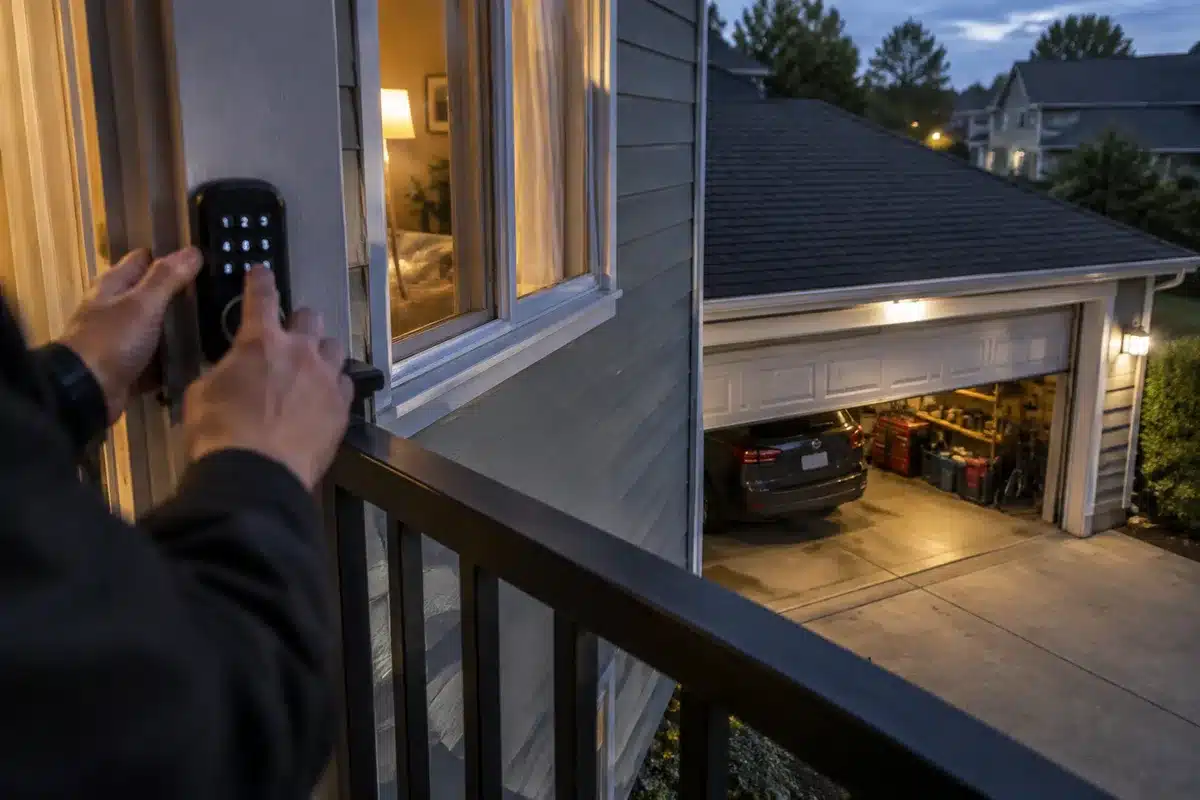
No longer do thieves always have to pick a lock, smash a window, or ram a door to get inside a home. Burglars now use a wide range of subtler tactics to gain access. The numbers back this up: according to estimates from the French Ministry of the Interior, thefts without forced entry now account for about 40% of offenses against residences. Some intruders simply slip through a slightly open window, enter through an unlocked garage door, or climb a balcony. Others exploit vulnerabilities in smart-home systems.

A small radio jammer, purchasable online for a few dozen euros, can knock out wireless security cameras or interrupt an alarm’s signal. Even more troubling, automated systems such as motorized shutters or connected locks can be hacked remotely, providing direct access to the property. The result: burglars come in without breaking anything, leaving little or no physical evidence — and homeowners face major obstacles when they try to convince their insurance company that a theft took place.

“A standard homeowners policy, even when it includes theft and vandalism coverage, does not automatically cover thefts without visible forced entry,” warns Generali’s website. Insurers often treat many of these cases as simple occupant negligence — for example, a window left open on a summer night. In those situations, an insurer may increase the deductible, cut the payout in half, or refuse to pay at all. It’s crucial to check whether your policy explicitly covers thefts without forced entry and under what conditions. Such incidents can result from deception or impersonation (someone posing as a police officer or a repair worker), but they can also be the result of hacking or other technological methods that neutralize a home’s security systems.
Moreover, Article 132-73 of the Penal Code considers the use of false keys, improperly obtained keys, or any device fraudulently used to operate a locking mechanism without forcing or damaging it to be equivalent to forced entry. Generali notes that a burglary “carried out by hackers who entered a home without breaking in but by exploiting a smart-home system” could fall under that definition and therefore be eligible for theft coverage — provided the insurance contract specifically references those circumstances.
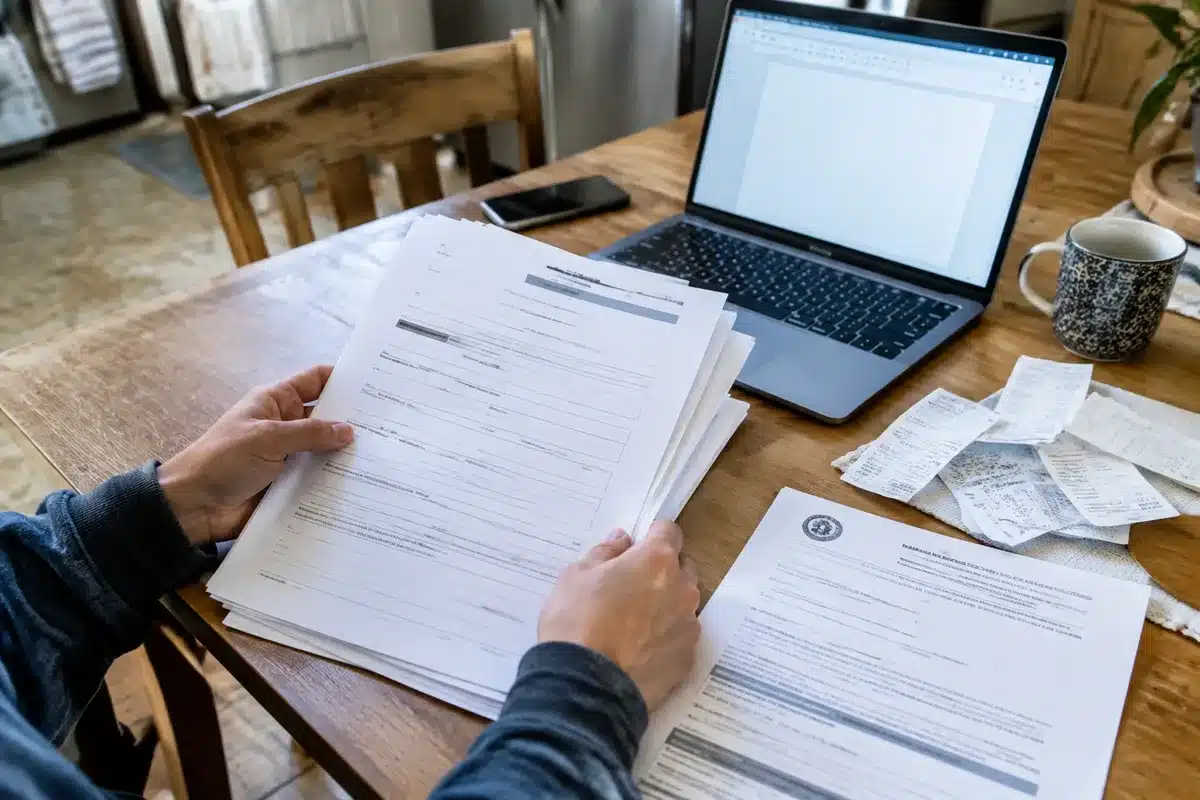
Fewer than 26% of victims of thefts without forced entry bother to file a police report, often assuming that the lack of physical evidence makes reporting pointless. Yet filing a complaint is the essential first step toward any chance of reimbursement. Victims should also take other steps to gather proof: “search for any marks that might indicate a break-in,” such as scratches or other traces inside the home; “check for signs of tampering in the alarm or smart-lock logs,” and “try to obtain a neighbor’s testimony.”
Similar Posts
- The water glass trick to prevent burglaries
- Think You’re Covered for Burglary While on Vacation? Read the Fine Print!
- No Fancy Cameras Needed: This Simple Trick Protects Your Home from Burglars on Vacation!
- Hide Your Cash in Style with This Under-$4 Gadget!
- Six smart ways to keep your home cool and comfortable during summer heat

Felix Marlowe manages Belles and Gals’ vibrant social media platforms. With expertise in social engagement and viral marketing, Felix creates content that sparks conversation and keeps followers coming back for more. From celebrity news to trending challenges, Felix makes sure our social media stays at the forefront of pop culture.