
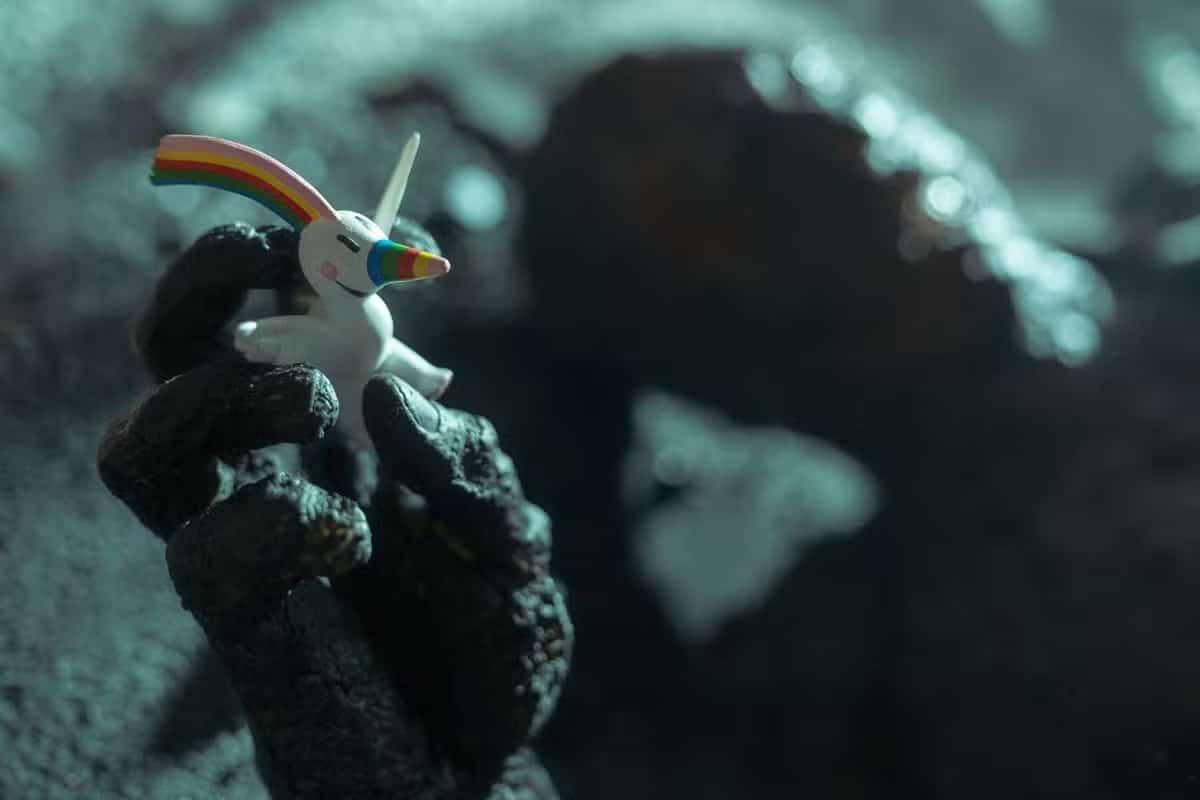
Set against the backdrop of Seville’s 1992 World Expo, Álex de la Iglesia’s latest thriller is a visceral and haunting portrayal of societal decay. This series, blending horror and social commentary, invites viewers into a chilling narrative where the line between justice and madness blurs.
He thought he was rescuing a sheep—but it turned out to be something else
This bizarre French customer habit is driving shop owners crazy
A Serial Killer with a Disturbing Signature
The story opens with a string of gruesome murders targeting the city’s elite. The killer’s weapon of choice? A giant blowtorch, used to burn his victims alive. As if this grotesque modus operandi weren’t enough, he leaves behind a disturbing calling card: the kitschy mascot of the Expo, complete with its rainbow mohawk. The mascot—an enduring symbol of the event—becomes a grim reminder of the promises of progress that never materialized.
A Master of Horror Returns
Known for his dark humor and sharp critique, Álex de la Iglesia (The Day of the Beast) trades laughs for pure terror in this unflinching tale. The director’s signature style is evident in the show’s grotesque yet mesmerizing visuals. Scenes depicting charred bodies are both horrifying and a testament to the production’s masterful use of practical effects.
A Widow’s Perspective
The narrative takes an unexpected turn as it shifts to the perspective of one victim’s widow. Through her eyes, the audience is drawn into a web of corruption, greed, and betrayal that paints a damning picture of ultra-liberal Spain. Her journey unravels not just the identity of the killer but also the systemic rot that allowed such atrocities to fester.
A Critique of Broken Promises
The series isn’t merely a thriller; it’s a scathing critique of Spain’s socio-political landscape during the early ’90s. The Expo, once a beacon of progress and modernity, becomes a backdrop for exploring the dark underbelly of unchecked capitalism. Themes of inequality, exploitation, and the erosion of trust are woven seamlessly into the narrative.
Visual Storytelling at Its Best
From the vibrant chaos of Expo celebrations to the shadowy alleys where secrets unfold, the cinematography captures both the grandeur and the grit of Seville. Each frame is meticulously crafted, drawing viewers deeper into a world where hope and despair coexist.
Why “1992” Matters ?
At its core, “1992” is more than just a tale of revenge or horror. It’s a reflection of a society grappling with its identity, torn between its aspirations and its failures. Álex de la Iglesia delivers a story that’s as thought-provoking as it is unsettling, reminding us that progress often comes with a price—one that’s not always paid by those at the top.
For fans of bold storytelling and unflinching social critique, “1992” is a must-watch. It’s a series that lingers long after the credits roll, challenging viewers to question not just the world of the story but their own reality as well.
Similar Posts
- Werwulf : after Nosferatu, Robert Eggers’ next film promises to be “darker” than his previous works
- Companion : Early Reviews for the Bizarre Horror Film Are Rolling In
- White Lotus Season 3 finally revealed in a thrilling first teaser
- Yellowjackets Season 3: A Rock’n’Roll Trailer Hints at Dramatic Twists
- This Netflix Spy Thriller with a 98% Approval Rating Is Crushing the Charts

Felix Marlowe manages Belles and Gals’ vibrant social media platforms. With expertise in social engagement and viral marketing, Felix creates content that sparks conversation and keeps followers coming back for more. From celebrity news to trending challenges, Felix makes sure our social media stays at the forefront of pop culture.


