
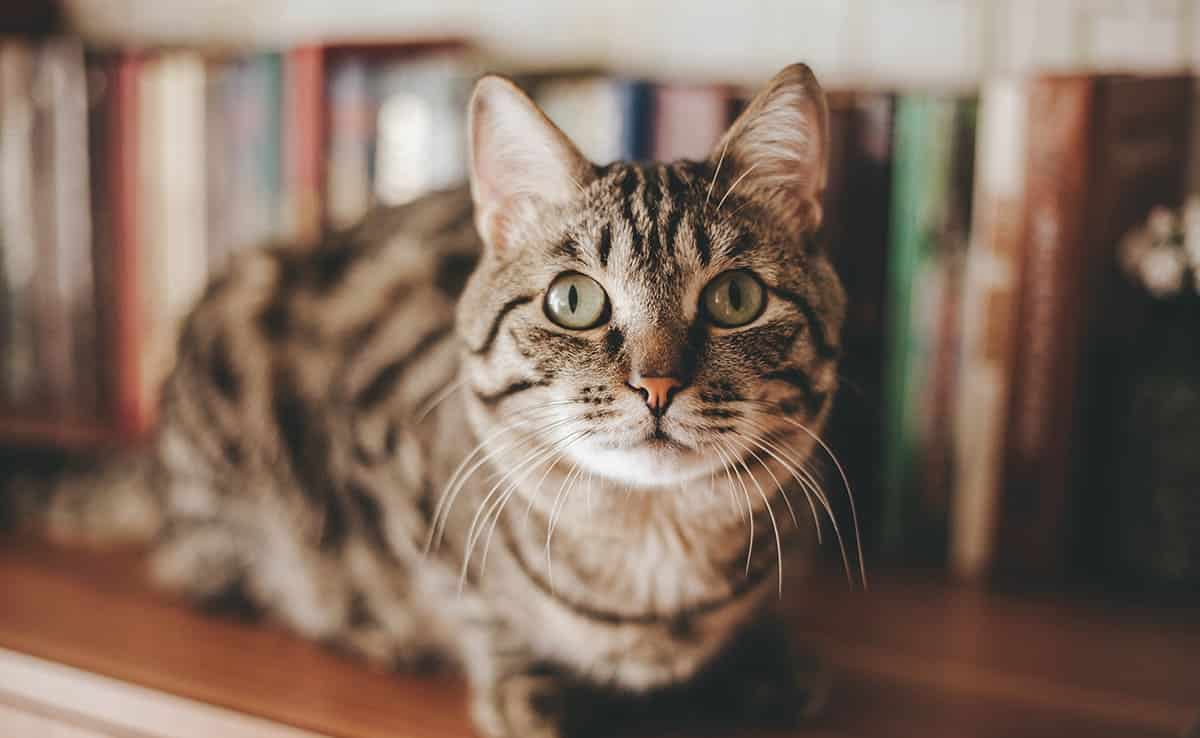
If you’ve ever noticed your cat becoming more withdrawn or acting out after a change in its routine, you’re not alone. Cats, by nature, are creatures of habit, and even small changes in their environment can cause significant stress and anxiety. Whether it’s an unfamiliar visitor or a new piece of furniture, your feline friend may display signs like excessive grooming, unusual meowing, or even hiding. But don’t worry—there are several ways to help calm your anxious cat and make its world feel a little less overwhelming.
He thought he was rescuing a sheep—but it turned out to be something else
This bizarre French customer habit is driving shop owners crazy
Here are 9 simple tips to help soothe your anxious feline and promote a calm, peaceful environment.
Create a Safe Space for Your Cat
Cats are naturally territorial, and one of the best ways to help your cat feel secure is to provide a designated safe space. Every cat needs a retreat where they can escape when the world gets too overwhelming. It doesn’t mean dedicating an entire room to your pet, but rather giving them the opportunity to choose a spot where they feel safe.
For example, when I first brought my cat, Luna, into my apartment, she immediately sought refuge in a quiet corner of the closet. I added a comfy blanket and some cozy spots to curl up, and she quickly turned it into her own personal hideaway. Over time, Luna’s chosen spot became her sanctuary where she could relax and recharge.
Consider setting up a cat tree, a soft bed, or even a cardboard box (cats love those!) where your cat can go when it needs some alone time.
Feed Smaller, More Frequent Meals
Did you know that a cat’s stomach is quite small and that their ancestral habits dictate they prefer to eat smaller meals throughout the day? This is an important consideration when feeding your cat, especially if they’re prone to anxiety.
Instead of providing one or two large meals per day, try offering multiple smaller meals throughout the day. This will not only mimic their natural feeding habits but also help reduce anxiety related to hunger. Additionally, offering food in interactive feeders or puzzle toys can keep your cat engaged, turning mealtime into a fun, stress-relieving activity.
Respect Your Cat’s Territory
Cats love to claim their space, and respecting their boundaries is crucial for their mental well-being. This means keeping things like their litter box, food, and water in different areas, away from where they sleep or play.
For example, when I first brought Luna home, I made sure to place her food and water bowls in separate corners of the apartment. I also made sure her litter box was in a quiet, private spot. Giving your cat different zones for different activities will help them feel in control and less stressed.
Set Up a Routine
Cats find comfort in routine. Predictability makes them feel secure and less anxious. To soothe your cat, try to keep daily routines as consistent as possible. For instance, feed your cat at the same time every day and schedule playtime during predictable hours.
When I adopted Luna, I stuck to a strict schedule of play, meals, and sleep. She quickly adapted, and over time, I noticed she was much calmer. A predictable routine can go a long way in reducing stress and giving your cat a sense of control over its environment.
Prepare Your Cat for Big Changes
Big life changes like moving to a new house, introducing a new pet, or even the arrival of a baby can cause anxiety in cats. To minimize stress, try to prepare your cat for these changes well in advance.
For example, when I moved apartments, I used calming pheromone diffusers several weeks before the move to help ease Luna into the idea of the change. Similarly, when my partner and I got a new dog, we made sure to introduce them slowly and with plenty of positive reinforcement, giving Luna time to adjust to the new family member.
Keep Your Cat Stimulated with Toys
A bored cat is a stressed cat, so it’s important to provide plenty of mental stimulation. Interactive toys like tunnels, laser pointers, and treat-dispensing puzzles can help keep your cat occupied and mentally engaged. Not only will these activities help relieve boredom, but they also provide a great opportunity for bonding.
Luna loves playing with her interactive treat ball. I’ll fill it with a little bit of her favorite kibble and watch her bat it around for hours. The mental and physical stimulation it provides helps tire her out and keeps her from feeling anxious.
Don’t Startle or Scare Your Cat
Cats are sensitive to loud noises and sudden movements. The vacuum cleaner, the doorbell, and even the sound of a spoon dropping on the floor can be jarring to your feline friend. If you notice your cat becomes anxious at certain sounds, try to introduce those noises gradually. For example, you can play recordings of household noises at a low volume, slowly increasing it over time so your cat can get used to them.
Also, avoid yelling or scolding your cat when it behaves out of character. While it might be frustrating if your cat starts doing things like scratching furniture or missing the litter box, responding with calmness and patience will be much more effective in reducing its stress. If your cat is struggling with cleanliness issues, it’s always a good idea to consult your vet to rule out any medical concerns.
Respect Your Cat’s Sleep and Rest Time
Cats need a lot of sleep—around 12 to 16 hours a day, to be precise. Their natural sleep patterns are part of what keeps them calm and healthy. Try to avoid disturbing your cat when it’s resting, and if you need to wake them up (for a vet appointment, for example), do so gently.
I’ve learned this the hard way with Luna—waking her up suddenly or making loud noises while she’s napping can throw her into a state of anxiety. Now, I make sure to keep noise levels low and always let her rest in peace unless it’s absolutely necessary to wake her up.
Use Natural Stress Relievers
Sometimes, a little extra help is needed to calm your anxious cat. There are several natural stress relievers available that can help calm your cat in stressful situations. These include pheromone diffusers, calming sprays, and even natural supplements like CBD or Bach flower remedies. Always consult with your vet before introducing any new products, as they can help you find the right solution for your cat’s specific needs.
When Luna started to show signs of anxiety during a stressful period (a house renovation), I used a calming diffuser. The pheromones helped create a more relaxed atmosphere, and I noticed a marked improvement in her stress levels.
By providing a safe, predictable environment and addressing your cat’s emotional needs, you can help alleviate the anxiety they experience. Cats, despite their independent nature, are highly sensitive creatures, and with a little extra care, you can ensure they feel secure, loved, and calm in their home. If your cat’s anxiety persists, or if you’re unsure of the best approach, don’t hesitate to consult with your vet for additional guidance.
Similar Posts
- Signs Your Cat Secretly Hates You: Uncover the Truth!
- Why Does My Cat Hate Closed Doors? The Mystery Explained
- My cat covers its face while sleeping : what’s behind this behavior ?
- Why Does My Cat Cover Its Face While Sleeping?
- 10 Tips to Help Your Cat Adjust to Indoor Living

Felix Marlowe manages Belles and Gals’ vibrant social media platforms. With expertise in social engagement and viral marketing, Felix creates content that sparks conversation and keeps followers coming back for more. From celebrity news to trending challenges, Felix makes sure our social media stays at the forefront of pop culture.


