He thought he was rescuing a sheep—but it turned out to be something else
This bizarre French customer habit is driving shop owners crazy
From the shower to our beauty shelves, and in our anti-aging creams, refillable cosmetics are now a staple in our daily lives. However, these eco-friendly advancements come with their own set of not-so-shiny drawbacks.
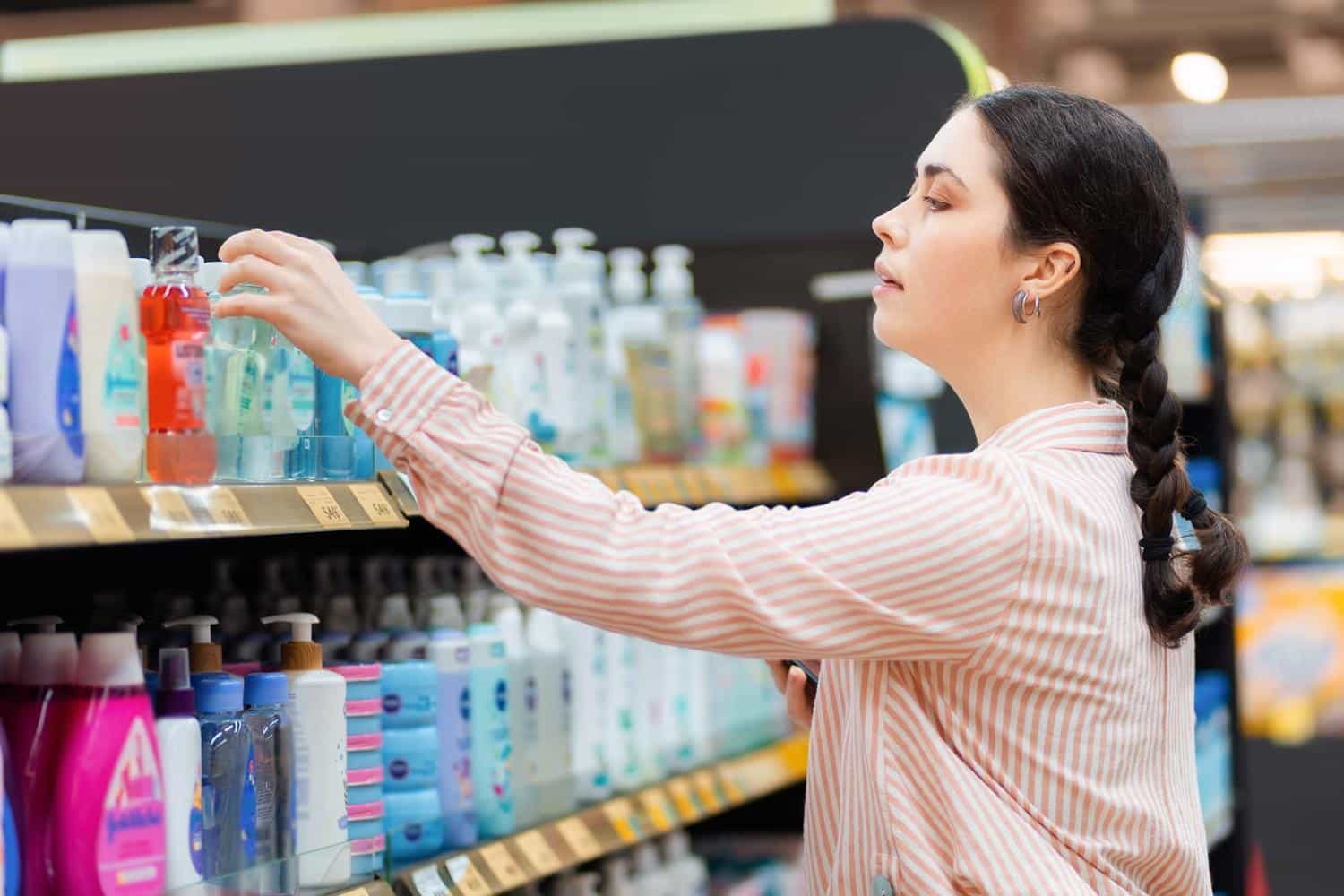
Refilling has become the new norm in bathrooms everywhere as a way to marry beauty and environmental conservation. Lighter, less expensive, and containing less plastic, refills seem to offer a perfect solution on paper. However, this promise of responsible consumption conceals a less appealing reality. According to a report by the consumer association 60 Millions de Consommateurs, this practice might end up costing more than expected and could compromise the hygiene of your favorite products. From recycling challenges to misleading per-liter pricing, the hidden downsides of eco-refills might make you think twice the next time you shop. Here’s what you need to know before topping up your bottle.
While it’s undeniable that refills can be economically beneficial, the media first points out a significant lack of variety among brands and product lines. For example, out of its 12 shower gel scents, Le Petit Marseillais only offers five in refill form. Although this may be a minor annoyance, it isn’t a dealbreaker. However, where refills become more deceptive is in their capacity. To illustrate this point, 60 Millions de Consommateurs uses the example of a luxury eau de parfum refill that is 150 ml, while only the original 100 ml bottle can be refilled multiple times. “Almost all brands, whether in perfumeries or supermarkets, offer refills with a larger capacity than the product available on the shelf,” the magazine asserts. Another issue highlighted by the study is that most perfume refills are only available online, a significant barrier for households without internet access.
Another problematic aspect is the ecological impact. Though refills are touted as more eco-friendly, this claim should be taken with a grain of salt. Packaging often boasts “80% less plastic,” for example. However, 60 Millions de Consommateurs notes that these figures are calculated by the manufacturers themselves. “Most flexible pouches are made from multiple materials (cap, multi-layer pouch…), making their recycling complex, or even impossible,” the media outlet reports.
While many of these refill options are indeed less expensive, some brands charge more, especially when the price is calculated per kilogram. Price differences can range from a few cents to several euros. Finally, there’s the issue of hygiene. Refilling a bottle without properly cleaning and drying it can encourage the growth of microorganisms, particularly in a moist bathroom environment. Although formulas contain preservatives, mixing a bit of old product with a new refill or using a container that’s still damp can degrade the quality of the cosmetic.
Similar Posts
- This Water Habit Actually Encourages Bacteria Growth—Here’s What to Avoid
- Top-Rated Olive Oil with Best Value According to “60 Million Consumers” – Italy’s #1 Choice!
- European Law Bans Hotel Shampoos: What You Need to Know Now!
- Loud Air Fryers Alert: Top Models to Avoid, According to Consumer Reports!
- Doctor-Recommended Solution to Tackle Body Odor When Deodorant Fails

Ellis McDowell is a trend analyst with a sharp eye for spotting the next big thing in entertainment. With years of experience in digital media and trend forecasting, Nora tracks the movements of influencers, viral content, and entertainment trends. Her insights help shape the stories that captivate our audience.