He thought he was rescuing a sheep—but it turned out to be something else
This bizarre French customer habit is driving shop owners crazy
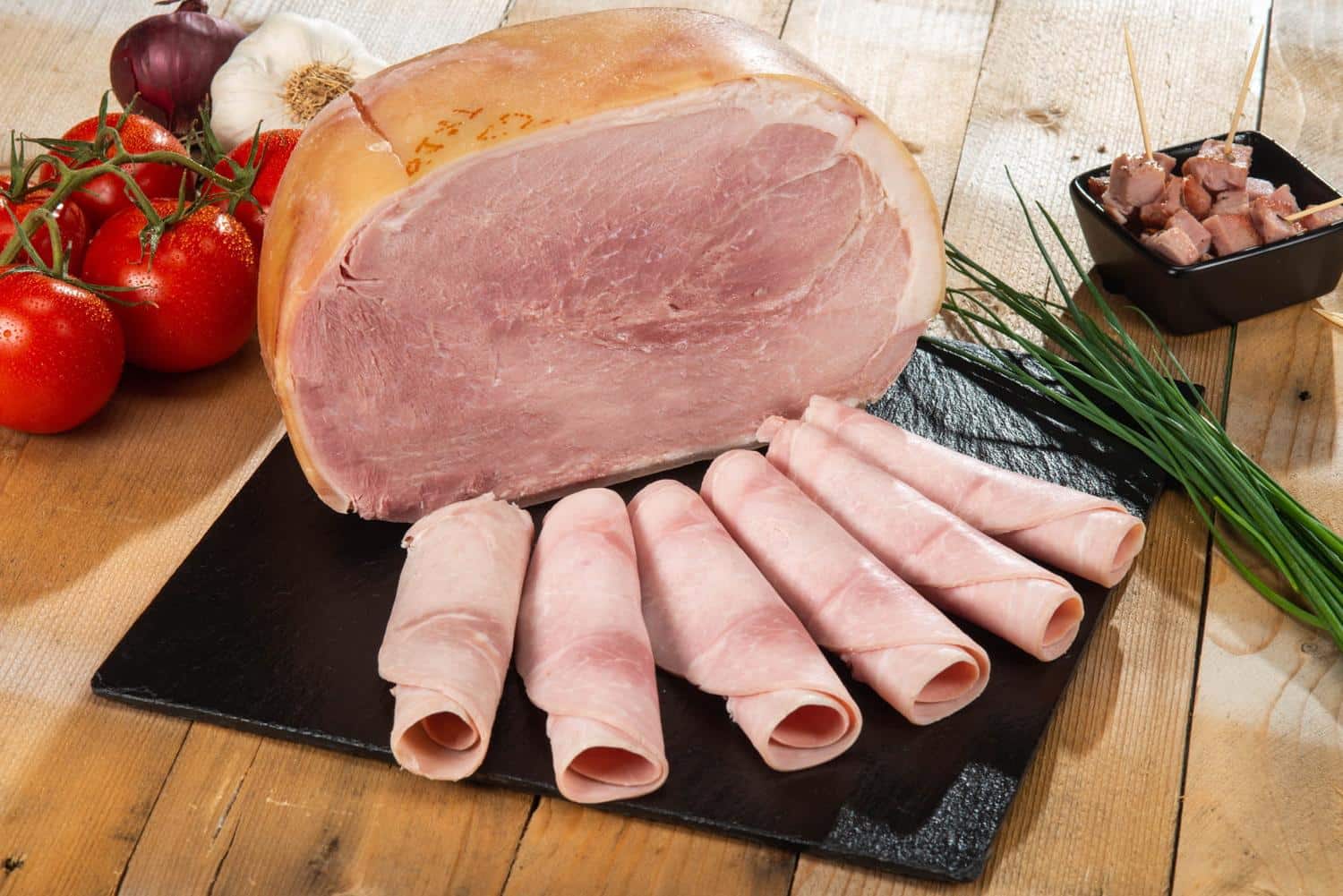
Whether it’s superior or standard, with or without rind, boiled in cloth, broth, or the traditional way, UFC-Que Choisir has made a clear determination: here’s the true mark of a quality white ham.
Every other Saturday is grilled cheese sandwich night. Your kids look forward to it eagerly: settled in front of the TV, they joyfully devour the sandwich made with a creamy Comté cheese sauce and a thick slice of white ham purchased from the local deli or supermarket. While you trust the meat offered by your local merchant, you’re skeptical about industrial brands. Over the past few years, you’ve eliminated all hams containing nitrites from your shopping list. Yet, in the supermarket aisle, you still hesitate among the numerous options from brands like Herta, Madrange, or Fleury Michon. Should you choose the “simmered” ham, or another one that promises “25% less salt”? In a buying guide, UFC-Que Choisir teaches us how to select the best white ham.
Regarding nitrites, the editorial team advises to trust the color of the ham rather than the claims on the packaging. Sometimes, the broth in which the meat is cooked contains vegetable-derived nitrites, which won’t be listed in the ingredients. The organization stresses: “Genuine ‘zero nitrites’ or ‘preservative-free’ products can be identified by their duller color of cooked meat”. Another point to check consistently is the salt content. Here again, it’s better to verify overly attractive claims. As UFC-Que Choisir explains, the label “25% less salt” can be misleading if it’s compared to a classic version by the same brand. To be sure, look for labels stating “compared to the average of superior cooked hams on the market,” or “compared to the average of the Paris hams market”. And remember, sometimes a classic white ham may contain less salt than one marketed (and touted) as such.
Most importantly, the UFC-Que Choisir editorial team recommends paying attention to a specific label on the packaging. For the organization, it’s the “detail that changes everything”. It relates to the cooking method of the ham. The best products are identified by the following labels: “cooked on the bone” or “cooked with the bone”. Why? “According to the Centre d’information des charcuteries (CICT), true bone-in cooked ham is cooked unboned, sometimes smoked, and is sold with its bones”, the organization details. In supermarkets, only white hams bearing this label on their packaging “have been cooked in a broth that includes bones”. As a result, prepared using the traditional method recognized by the industry, they will be more tender and flavorful than others.
Forget about labels like “Paris ham”, “simmered”, or “boiled in cloth”… They don’t really mean much as they “do not impose any particular quality requirements on manufacturers”, UFC-Que Choisir clarifies. However, the “cooked on the bone” label will help you find the best white ham for your children.
Similar Posts
- Secret Step Not in Your Beef Stew Recipe That Unlocks Incredible Flavor!
- Red Label Farmhouse Capon Half-Price at This Supermarket!
- Perfect Hard-Boiled Eggs Every Time: Science-Backed Cooking Tips Revealed!
- Forget Sausages: Lentils Pair Even Better With This Meat!
- Traditional Veal Stew Made Easy: Discover the Classic French Recipe!

Felix Marlowe manages Belles and Gals’ vibrant social media platforms. With expertise in social engagement and viral marketing, Felix creates content that sparks conversation and keeps followers coming back for more. From celebrity news to trending challenges, Felix makes sure our social media stays at the forefront of pop culture.