
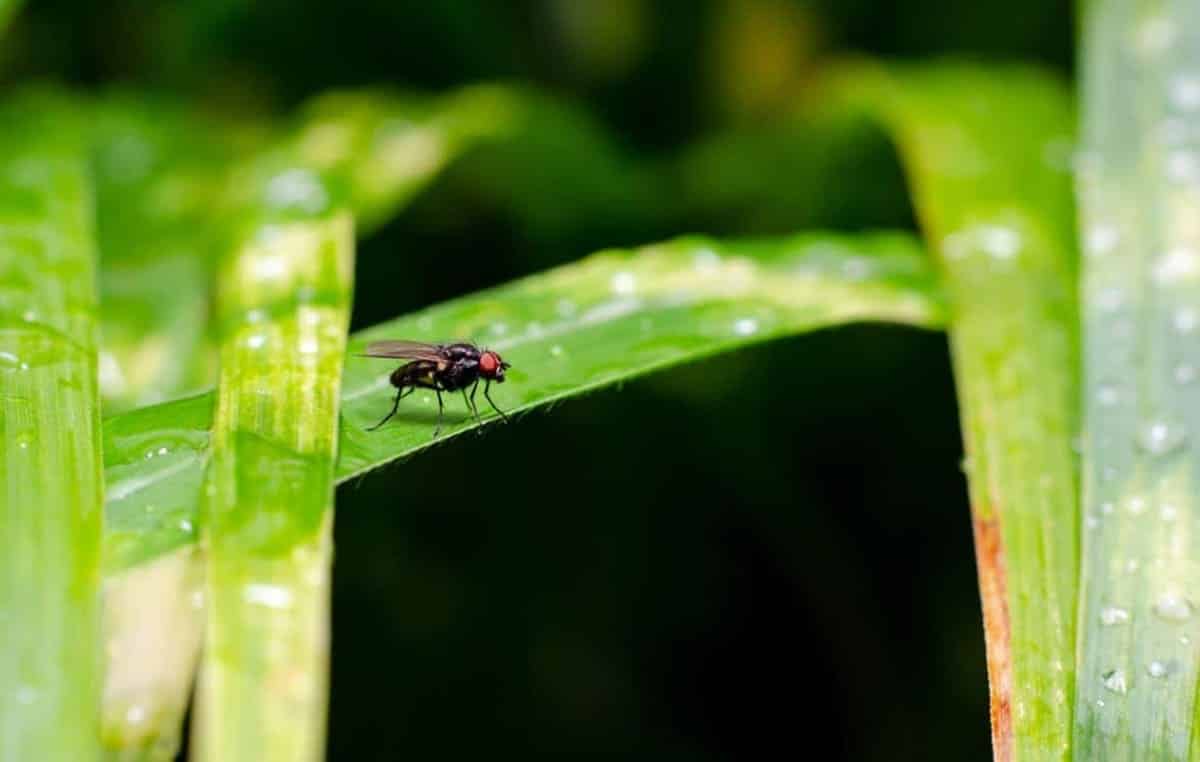
If you’ve noticed tiny insects buzzing around your houseplants, you’re likely dealing with fungus gnats. These small pests, about 4 millimeters long, thrive in moist soil rich in organic material.
He thought he was rescuing a sheep—but it turned out to be something else
This bizarre French customer habit is driving shop owners crazy
Adult gnats themselves are harmless, but their larvae pose a serious threat to your plants. They feed on delicate root hairs, creating entry points for bacteria and fungi that can harm or even kill your greenery. Fungus gnats reproduce rapidly—each adult can lay hundreds of eggs, which hatch into larvae and mature into flying gnats in about six weeks.
Preventing Fungus Gnats: Start With Less Water
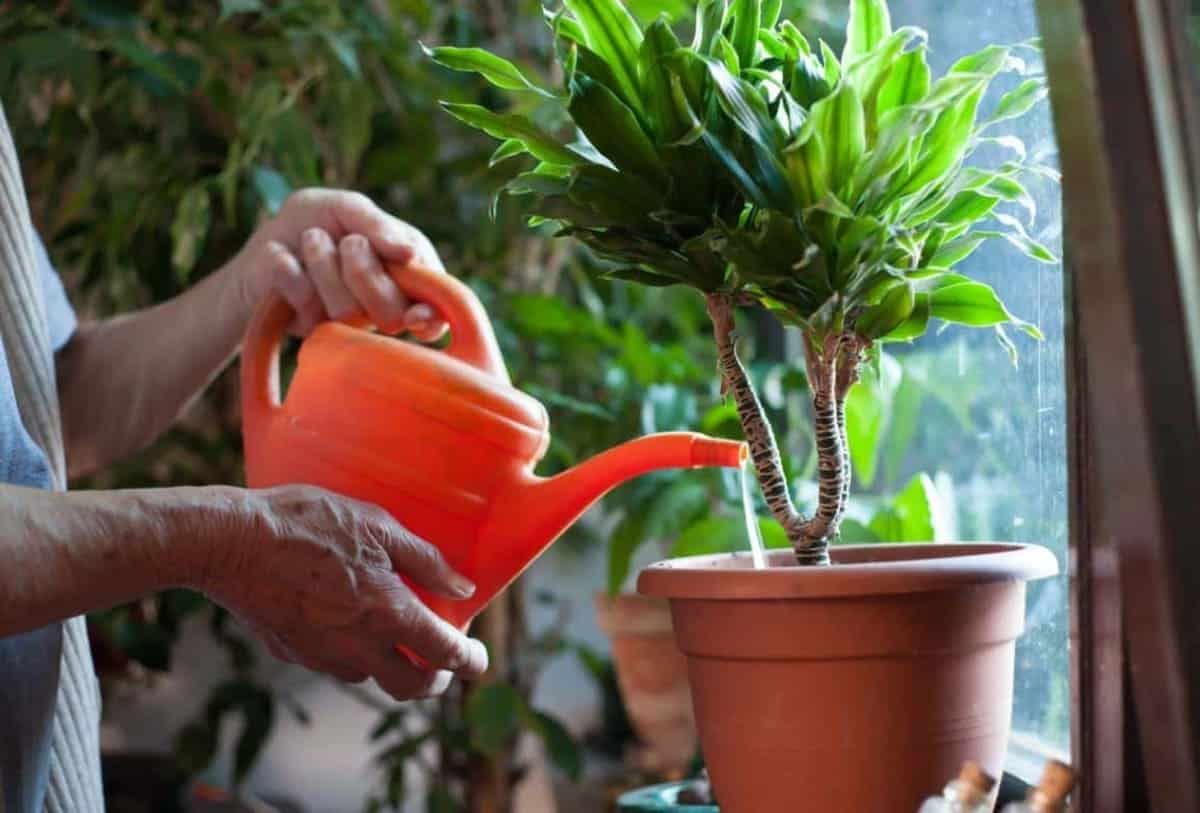
One of the easiest ways to combat fungus gnats is to let the soil dry out between waterings. Constantly moist soil creates a perfect environment for gnats to lay eggs and for larvae to thrive. By allowing the top layer of soil to dry out, you disrupt their life cycle and make your plants less attractive to these pests.
Choose pots with drainage holes to prevent water from pooling, and avoid leaving standing water in saucers beneath your plants. These small adjustments can go a long way in keeping fungus gnats at bay.
10 Natural Remedies to Eliminate Fungus Gnats
- Protect the Soil Surface
Cover the top of the soil with a layer of sand, decorative pebbles, or mulch. This creates a barrier that prevents gnats from laying eggs in the soil. Ensure the material is natural and allows for proper airflow. - Remove Moldy Layers
If you notice a moldy crust on the surface of your soil, remove it immediately. If the infestation is severe, consider repotting the plant entirely to eliminate larvae and start fresh. - Separate Your Plants
Keep your plants spaced apart to limit the spread of gnats. Grouping plants together creates a breeding ground for these pests, so isolation can help protect unaffected plants. - Create a Vinegar or Wine Trap
Gnats are drawn to the smell of vinegar or wine. Pour a small amount into a bowl and place it near your plants. Add a drop of dish soap to break the surface tension, causing the gnats to sink and drown. - Sweeten the Deal With Honey or Sugar
Mix a small amount of honey or sugar with water in a shallow dish. The sweet smell will attract gnats, but once they land, they won’t be able to escape. -
Repel Gnats With Lemon and Cloves
Fungus gnats dislike the scent of lemon and cloves. Stick a few cloves into half a lemon and place it on the soil surface. This natural repellent can deter gnats effectively.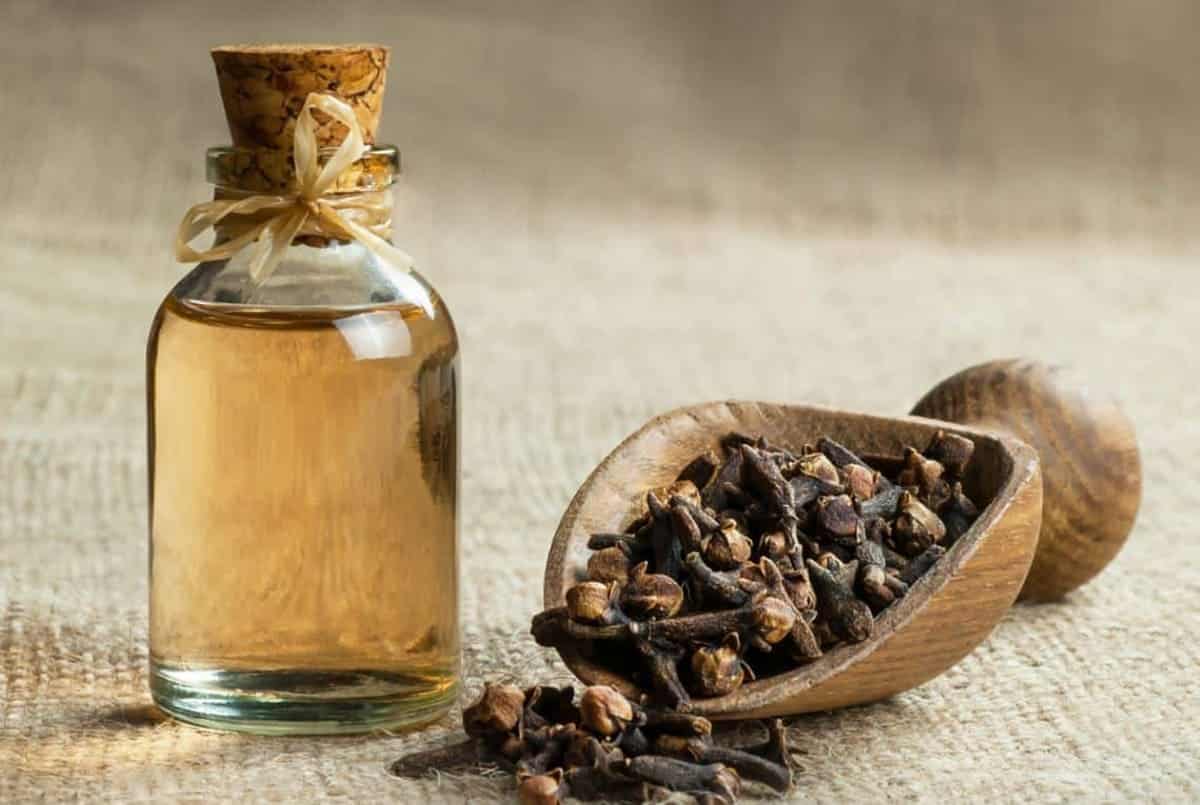
- Spray With Black Soap Solution
Dilute liquid black soap in water (30 grams per liter) and spray it on your plants and soil after watering. This solution is gentle on plants but highly disruptive to gnats. - Use Black Tea for Watering
Gnats aren’t fans of the tannins in black tea. Brew a strong cup of tea, let it cool, and use it to water your plants every other time. The tea will discourage gnats from laying eggs. - Infuse With Cinnamon
The scent of cinnamon is another effective deterrent. Boil two tablespoons of ground cinnamon in a liter of water to create a fragrant infusion. Once cooled, use it to water your plants and drive gnats away. - Lemon Grass Essential Oil
Soak a cotton ball in lemon grass essential oil and place it on the soil surface. The strong aroma is unpleasant for gnats and will encourage them to move on.
Say Goodbye to Fungus Gnats
With these tips, you can protect your houseplants from fungus gnats without resorting to harsh chemicals. Whether it’s adjusting your watering routine, creating homemade traps, or using natural repellents, these simple methods will keep your plants healthy and free of pests.
Similar Posts
- Get rid of gnats in your home for good: the only effective steps to follow
- The Little-Known Trick Gardeners Use for Massive Sweet Potato Harvests
- Gardeners’ secret to growing sweet potatoes and getting an abundant harvest
- Brilliant Hack to Clean Stovetops and Remove White Stains Effortlessly
- Unlock the Secret to Quick & Delicious Mulled Wine: Best Recipe Inside!

Felix Marlowe manages Belles and Gals’ vibrant social media platforms. With expertise in social engagement and viral marketing, Felix creates content that sparks conversation and keeps followers coming back for more. From celebrity news to trending challenges, Felix makes sure our social media stays at the forefront of pop culture.


