He thought he was rescuing a sheep—but it turned out to be something else
This bizarre French customer habit is driving shop owners crazy
It’s a staple in daily life, yet over the past year, its price has skyrocketed, becoming a noticeable burden on the grocery bill.
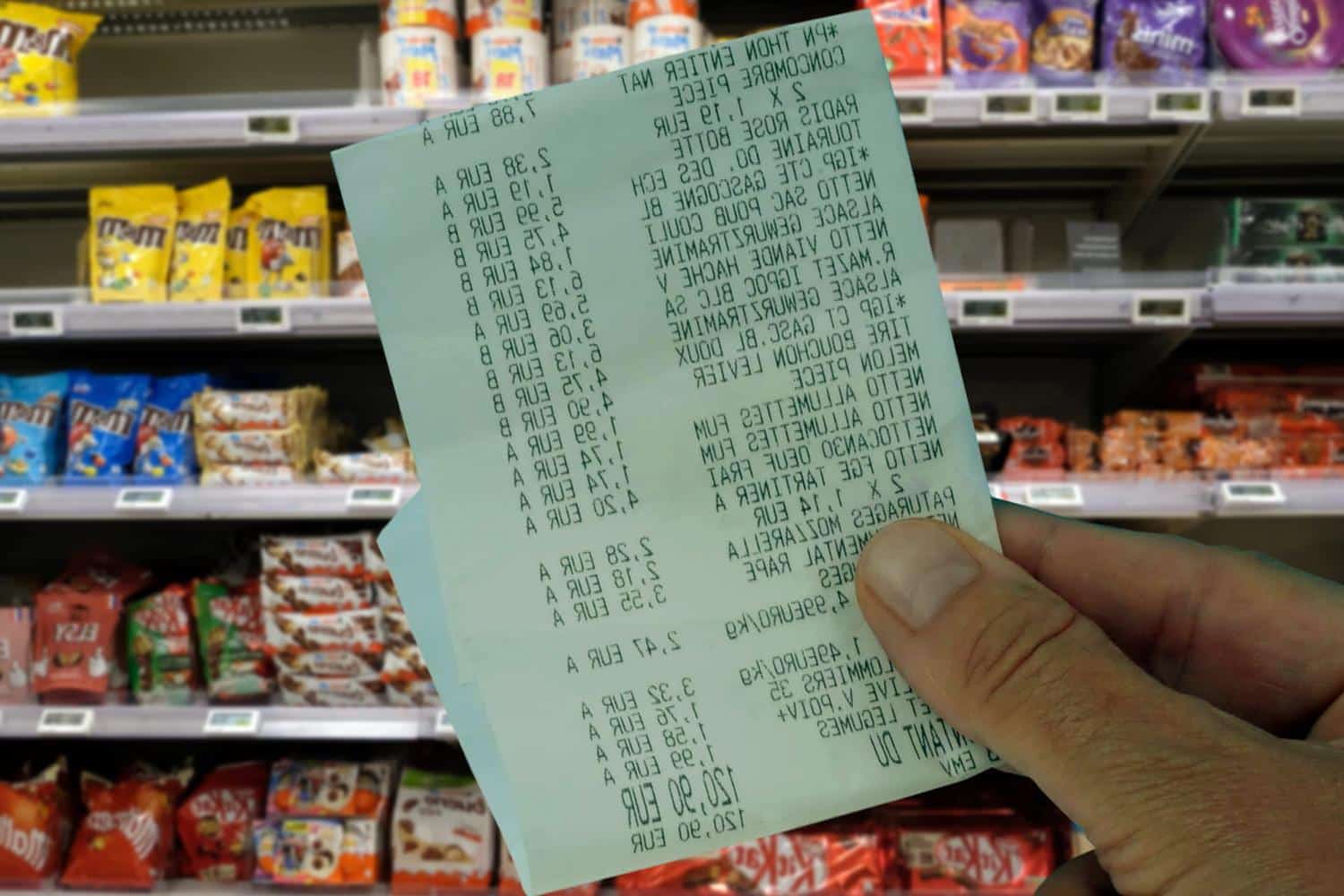
There it sits, nearly invisible. We toss it into the cart without a second thought. It’s one of those items we buy on autopilot, the ones we don’t even bother to compare anymore. Then one day, while reviewing the grocery receipt, a seed of doubt is planted. This seemingly mundane product starts to take a significant toll on the budget…
Overall, the market seems quiet. In January 2026, consumer prices fell by 0.3% over the month and only rose by 0.3% over the year, according to statistics from Insee. Energy prices saw a sharp decline (-7.6%), as did manufactured goods (-1.2%). However, food remains costlier: up 1.9% year-over-year. And some items have just shot up. One such item saw a price increase of 17.5% according to Insee. This spike stands out amidst general price stability. The UFC-Que Choisir analyzed 52 product references sold online, noting an average increase of 18% over one year and 23% over two years. The average price per kilogram now sits at 31 euros. When it comes to choosing between whole beans, ground, pods, or capsules, the price difference becomes starkly apparent.
As you might have guessed, we’re talking about coffee. Whether it’s the morning brew, an office break, or the after-dinner sip, the cost is climbing. Whole or ground coffee hovers around 20 euros/kg, while capsules are nearing 60 euros/kg, prompting a closer examination of price tags. And beyond these averages, some specific brands have seen even more dramatic increases. According to UFC-Que Choisir, ground Carte Noire pure arabica coffee (250 g) saw the highest increase: sold for an average of 4.12 euros in 2024, its price jumped to 6.03 euros in 2025, an increase of 46%!
Why such steep price hikes? Behind every steaming cup are crops that have been affected by severe weather events in Brazil and Vietnam, two of the world’s largest coffee producers. There’s also a market frenzy: the raw material price nearly doubled in a year, going from less than 2 dollars at the beginning of 2024 to 3 or 4 dollars in 2025. Additionally, global demand remains strong. Whole and ground coffee are most affected (+26%), as raw material costs weigh more heavily than in capsules, where packaging and marketing somewhat cushion the price increase. Fair trade products also saw an average increase of 20%, although they have fared slightly better.
Coffee remains a necessity for many, but it’s no longer just a trivial expense. It has become a purchase scrutinized more closely, almost a luxury or indulgence that needs to be budgeted for.
Similar Posts
- Black Friday vs. Seasonal Sales: When Do Tech Prices Truly Drop?
- We Tried Several Coffee Alternatives: Our Favorite Caffeine-Free Option is Under 5 Cents Per Cup
- Keep This Item to Resell Your Phone for Up to 20% More Cash!
- Luxury Hotel Breakfast for Less Than $3? Here’s How!
- Easter Chocolate Eggs Under $2: This Store Slashes Prices Just in Time!

Felix Marlowe manages Belles and Gals’ vibrant social media platforms. With expertise in social engagement and viral marketing, Felix creates content that sparks conversation and keeps followers coming back for more. From celebrity news to trending challenges, Felix makes sure our social media stays at the forefront of pop culture.