He thought he was rescuing a sheep—but it turned out to be something else
This bizarre French customer habit is driving shop owners crazy
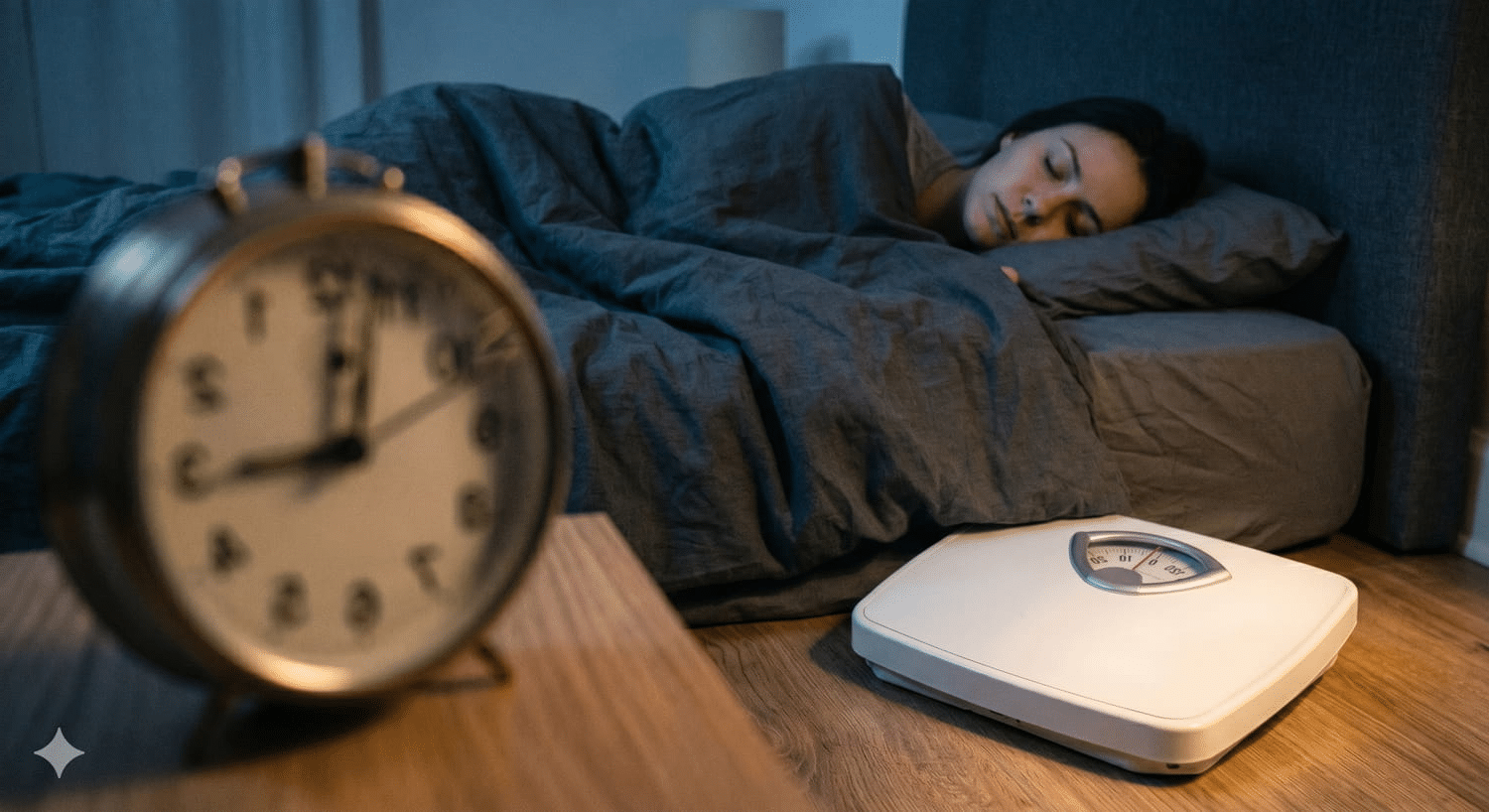
Between evenings that stretch out and the “just one more episode” binges, many people push back their bedtime. However, several studies have shown that this habit can lead to weight gain, directly sabotaging your dieting efforts.
With the return of warmer weather, searches for diets, the “summer body,” and light recipes spike, as they do every year. Some people start exercising again, while others pay closer attention to what they eat. Yet, many still overlook another crucial factor: bedtime. When it comes to body shape, the body doesn’t just consider what’s on your plate. It also cares about the time when you finally turn off Netflix.
For years now, numerous studies have established a connection between late bedtimes and weight gain, especially around the belly. For instance, a study by Harvard Medical School found that individuals who go to bed the latest often have a higher body mass index and a larger waist circumference. The later the bedtime, the greater the risk. However, researchers caution that staying up late doesn’t, by itself, cause weight gain. But the phenomenon is common enough to draw significant interest from sleep and nutrition experts.
The issue is that a shifted bedtime disrupts the mechanisms controlling hunger and fat storage completely. When sleep patterns are erratic, the body produces more ghrelin, the hormone that stimulates appetite, and less leptin, the hormone that signals we are full. As a result, cravings for snacks skyrocket. And we’re not talking about craving an apple or plain yogurt. Generally, at 1 AM, the brain tends to demand fatty, sugary, and comfortingly caloric foods. In this context, studies are beginning to show a more noticeable weight gain in individuals who go to bed after midnight.
It’s also worth noting that sleep deprivation affects cortisol, the stress hormone. When it remains elevated for too long, the body tends to store more fat, particularly around the abdomen. This is precisely the fat many people try to lose before summer and which often stubbornly remains despite efforts. Experts explain that too short or too late nights make weight loss more difficult, even when the diet is generally good. You can be mindful all day and undo some of that good work with completely off-kilter sleep habits.
Experts therefore advise maintaining regular sleep schedules, especially when the goal is to lose weight or prevent weight gain. The ideal is to sleep 7 to 8 hours a night and to eat dinner early enough to avoid long evenings that end with snacking “because you just had a little hunger.”
Similar Posts
- Experts Agree: Avoid Eating at This Time to Prevent Weight Gain
- How to Reset Your Child’s Sleep Schedule Before School Starts!
- Salad’s Sneaky Ingredient Everyone Uses That Secretly Packs on Belly Fat!
- Finish dinner at least 2 hours before bed: the weight loss secret officially confirmed
- This Exact Bedtime Can Transform Your Child’s Life, Expert Claims

Ellis McDowell is a trend analyst with a sharp eye for spotting the next big thing in entertainment. With years of experience in digital media and trend forecasting, Nora tracks the movements of influencers, viral content, and entertainment trends. Her insights help shape the stories that captivate our audience.