
He thought he was rescuing a sheep—but it turned out to be something else
This bizarre French customer habit is driving shop owners crazy
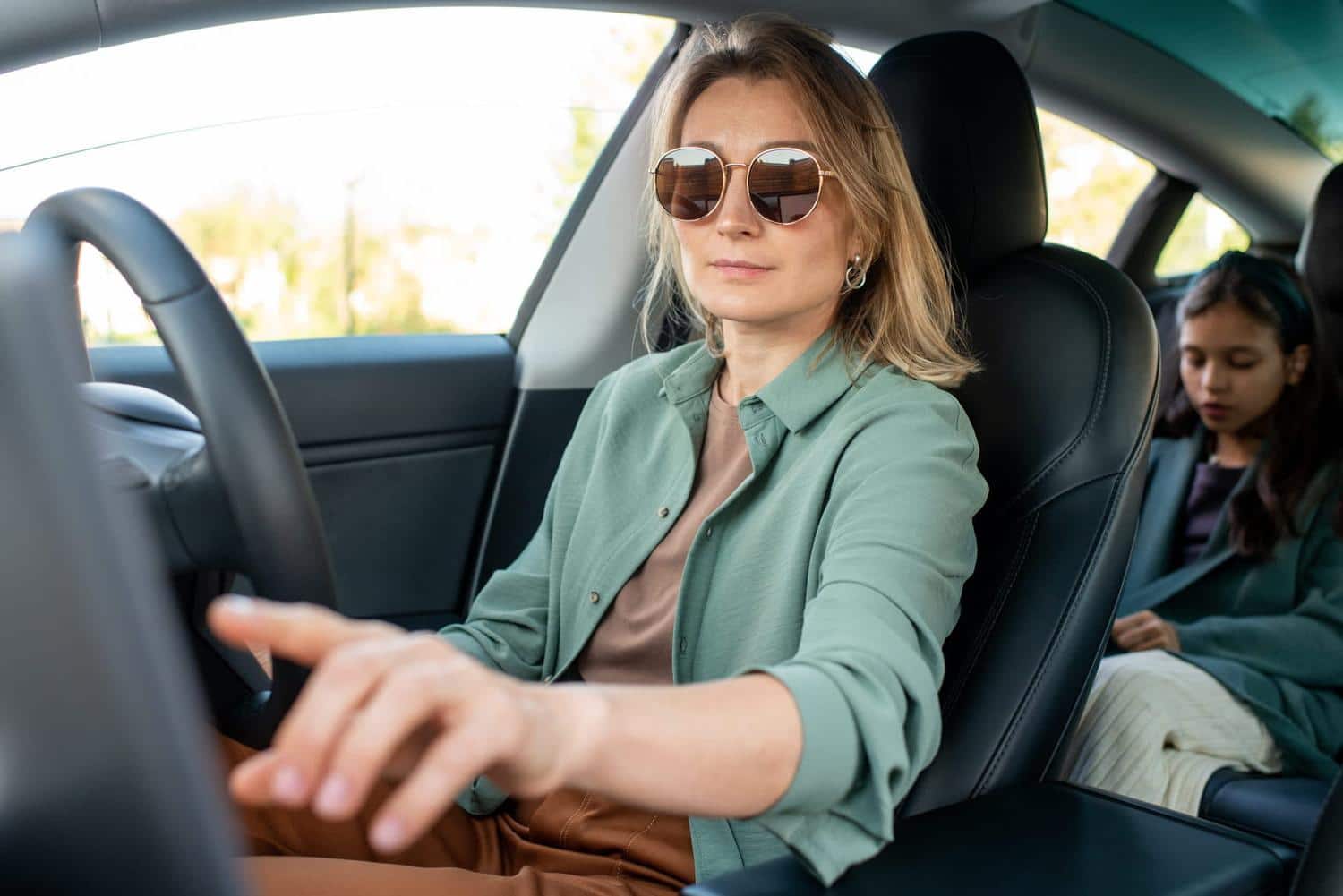
Not all sunglasses are suitable for driving. Here’s the type you should avoid wearing behind the wheel, according to road safety experts.
Whenever the sun shines, especially during the summer months, it’s a common reflex for drivers to keep a pair of sunglasses within easy reach to combat glare on the roads. However, few are aware of the specific rules to follow in sunny conditions. Is it really permissible to wear them while driving? Are all sunglasses created equal?
While the traffic laws do not specifically mention this, other than the need to reduce speed in poor visibility conditions (such as blinding sunlight), road safety authorities recommend wearing sunglasses “to protect yourself from glare when it is bright outside.” However, there is a particular type of sunglasses that is “strongly discouraged for driving,” and many drivers are unaware of this.
According to the European standard ISO 12312-1, sunglasses are categorized into five levels based on their light-filtering capacity. Category 0 provides no UV protection and is primarily for aesthetic use, categories 1 and 2 are suitable for low to medium light conditions, and category 3 is suitable for bright sunlight. However, it is the final category that is problematic for drivers. “Lenses should not be too dark as they can alter color perception. Category 4 lenses (standard no. EN 1836) are strongly discouraged for driving,” warns the road safety authority.
Indeed, these lenses are designed for extremely bright and reflective conditions, such as high altitudes, but some people choose them for everyday activities because they offer the highest possible protection for the eyes. The issue is that they block between 92% and 97% of light, which can alter the perception of contrasts and colors, particularly of signs or traffic lights. Another risk is transitioning from a very sunny area to a tunnel or shaded area while wearing category 4 sunglasses, which can lead to near-total darkness for several seconds, posing a significant danger. This is why they are labeled “not suitable for driving” by manufacturers, similar to certain medications.
To avoid any hazards while driving, or the risk of a fine, it’s best to choose sunglasses that are appropriate for driving. Additionally, sunglasses with very wide or thick frames are also discouraged as they can obstruct your field of vision. Category 3 sunglasses are most recommended as they offer maximum protection without overly obscuring visibility. They are often available with a polarizing filter, which is completely permitted and can eliminate annoying reflections. The perfect choice, both for driving and for protecting your eyes during a beach vacation!
In practice, fines are rare: law enforcement officers do not always take the time to check the category of sunglasses. However, if they do, you could face a fine of 35 euros under Article R412-6 of the Traffic Code, which requires that the driver be able to perform all maneuvers and have good visibility. However, if you are involved in an accident while wearing sunglasses that impair your visibility, the situation becomes more complicated. Your responsibility may be questioned because you were wearing an accessory discouraged by the authorities. Of course, the rules differ if your license specifies a correction: the law requires you to wear glasses suited to your vision, including sunglasses. Failing to comply with this rule could result in a fine of 135 euros and a deduction of 3 points.
Similar Posts
- French Tailgaters to Be Secretly Identified on the Road Soon!
- Driving Instructors Can’t Teach This One Crucial Safety Skill!
- Risk a $135 Fine if You Don’t Keep This Distance When Overtaking a Cyclist!
- Seasoned Drivers Stumped by New Driving Test Questions – Can You Pass?
- Revolutionary Car Seat Wins Road Safety Award for Unique Protection System

Felix Marlowe manages Belles and Gals’ vibrant social media platforms. With expertise in social engagement and viral marketing, Felix creates content that sparks conversation and keeps followers coming back for more. From celebrity news to trending challenges, Felix makes sure our social media stays at the forefront of pop culture.


