
He thought he was rescuing a sheep—but it turned out to be something else
This bizarre French customer habit is driving shop owners crazy
A seemingly ordinary summer activity hides a medical emergency that experts call a “silent killer.” A dog trainer is sounding the alarm about this little-known hazard that wreaks havoc every summer.
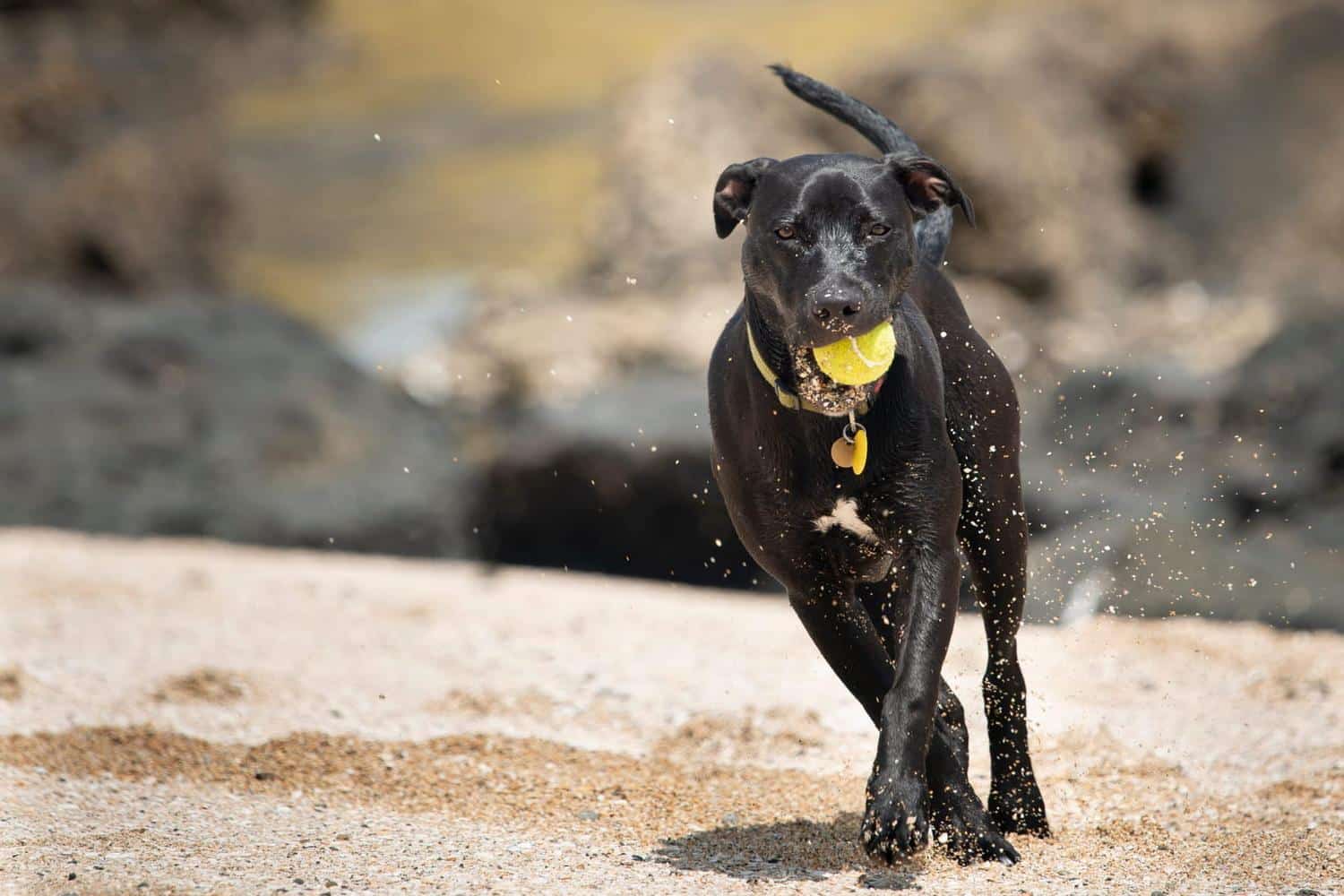
For most dogs, summer means newfound freedom along the seaside. Dogs love to race along the coast, frolic in the open air, and play in the waves. For them, every outing is a celebration: they spend extensive time enthusiastically digging in the sand or eagerly waiting for their owner to throw a ball, which they then retrieve with pride, creating moments of joy and deep connection.
However, behind these joyful moments, a real danger lurks for our pets, and most owners are either unaware or unable to see it coming. Addressing this issue, Sarah Rose, a dog trainer based in Cornwall, England, is raising awareness. “I’ve never spoken about this before, and I’ve never heard other dog trainers mention it either. We need to make sure every owner understands what’s at stake, because I’m sure it’s something we all think we know, but just don’t consider it enough”.
The risk that veterinarians fear is known as impaction. When dogs play, they innocently ingest small amounts of sand that can accumulate over time. Sarah Rose points out the two most risky summer activities: “playing fetch and digging holes. And these are two very good reasons why your dog could suffer from sand impaction”. Regarding digging, she warns: “Unfortunately, this is probably one of the most dangerous ways they ingest sand, as it can get thrown to the back of their throat.” Once swallowed, the sand builds up in the stomach or intestines, acting as a physical blockage that disrupts the digestive system and can, in severe cases, cut off blood supply to the intestines.
To keep beach outings enjoyable, several simple measures can mitigate this risk. Firstly, Sarah Rose advises to “throw away all your tennis balls” in favor of smooth models, as sand cannot cling to the “fuzzy parts.” She also recommends giving your pet regular breaks: “During these breaks, make sure to wash your ball in a rock pool or with the water you’ve brought along. Don’t keep giving them a sand-covered ball, and make sure they drink from a bowl where there’s no risk of sandy water, as clean water can actually help flush out the sand when it enters their mouth”. Lastly, if your pet is a compulsive digger, you need to modify this behavior: “If they’re not ready to stop, leash them and ask them to sit with you, relax, and take a break while providing them with fresh water.”
Additionally, if your dog has spent the day at the beach, closely monitor for signs that should prompt an immediate visit to the vet: repeated vomiting (the dog can’t keep water down), a significant drop in appetite paired with lethargy, or visible pain and swelling in the abdomen. Furthermore, diarrhea containing sand grains or, conversely, a complete lack of bowel movements despite repeated unsuccessful efforts, are indicators of an intestinal blockage. Keeping a vigilant eye on these signs after a beach outing could literally save your pet’s life.
Similar Posts
- A Dog Playing Peacefully in the Pool Suddenly Faces an Unexpected Turn
- Find Love From Your Beach Towel with These Tips!
- Explore France’s Top Dog-Friendly Beaches with This Handy Map!
- Unlock Gorgeous Hair All Summer: The Pre-Swim Trick You Need to Know!
- Golden retriever swimming in a lake gets an adorable surprise on its back

Felix Marlowe manages Belles and Gals’ vibrant social media platforms. With expertise in social engagement and viral marketing, Felix creates content that sparks conversation and keeps followers coming back for more. From celebrity news to trending challenges, Felix makes sure our social media stays at the forefront of pop culture.


