Simple steps to get rid of it.
NASA issues chilling warning: life on Earth won’t be possible after this date
This bizarre French customer habit is driving shop owners crazy
The faint scent of an old book — a hint of wax or aged paper — is something many of us recognize as a sign of time passing. But the human body can develop a distinctive smell as it ages too. In Japan this is known as kareishu. Contrary to common belief, this scent isn’t simply caused by poor hygiene or ordinary sweating. It comes from natural changes in the skin that often begin around your 40s.
In 1999, researchers at the cosmetics company Shiseido isolated the compound behind this age-related odor: 2-nonenal. As skin ages, the composition of its natural oils shifts, and when those altered lipids react with air they can give off that specific smell. Regular antiperspirants and most deodorants don’t really address the issue, because they mainly target the bacteria that cause sweat odors. Perfume can even make things worse — instead of hiding the scent it mixes with it, and the combination can be more unpleasant. In Japan there’s a term for overuse of fragrances that ends up bothering others: kōgai, or “olfactory pollution.”
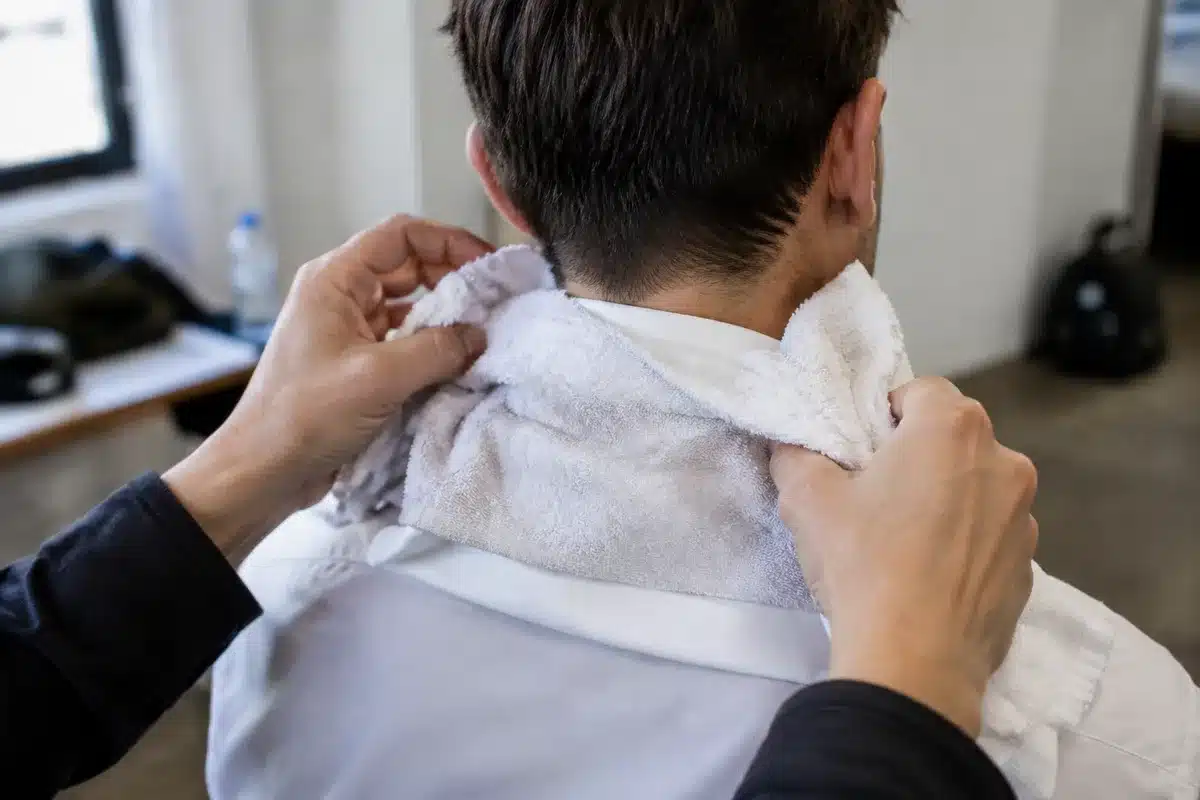
To reduce kareishu, it helps to know where it tends to appear. Common hotspots are behind the ears, the nape of the neck, the center of the chest, and the upper back — areas people often miss in the shower. Keeping these spots clean is important, but aggressive scrubbing isn’t necessary and can irritate skin. Use a mild cleanser, massage gently to break up excess sebum, then rinse thoroughly to remove residues.
The scalp can also contribute to age-related odors. While shampooing, use your fingertips to gently massage the scalp, and pay attention to the upper neck as well — this helps lift the oils that build up during the day. After washing, dry both your hair and the nape completely, since lingering dampness promotes bacterial growth that can increase odor.
Clothing plays a role too. Smells can cling to fabrics, especially synthetics like polyester. Simple habits help: change your pillowcase regularly, wash scarves and coat collars often, and air out your living space for about ten minutes a day. This age-related scent isn’t inevitable — with a few targeted care steps you can noticeably lessen it in daily life.
Similar Posts
- 7 tips to prevent laundry from smelling bad after washing
- More and more drivers are adopting the unexpected life hack using a clothespin to improve their car’s air quality
- Fix Damaged Hair Now! Expert Tips You Can’t Miss
- Doctor-Recommended Solution to Tackle Body Odor When Deodorant Fails
- Get rid of gnats in your home for good: the only effective steps to follow

Ellis McDowell is a trend analyst with a sharp eye for spotting the next big thing in entertainment. With years of experience in digital media and trend forecasting, Nora tracks the movements of influencers, viral content, and entertainment trends. Her insights help shape the stories that captivate our audience.