NASA issues chilling warning: life on Earth won’t be possible after this date
This bizarre French customer habit is driving shop owners crazy
Weight gain around menopause—especially increased belly fat—is common. However, choosing the right eating pattern may help maintain weight without strict dieting.
Menopause brings many shifts in the body, including changes in shape. Some women notice their midsection becomes rounder even though they haven’t been eating more. Part of this is due to falling estrogen levels, which tend to redirect fat to the abdominal area. Age-related loss of muscle mass also plays a role, since having less muscle can lower daily calorie needs. A new study sheds light on which dietary habits could be most helpful during this phase.
In a May 20, 2026, piece, the American magazine EatingWell reviewed research published in JAMA Network Open. Investigators examined data from more than 38,000 women enrolled in the Nurses’ Health Study II, tracking them for 12 years—spanning about six years before and six years after menopause. Their goal was to see how different dietary patterns affected weight change through this hormonal transition.
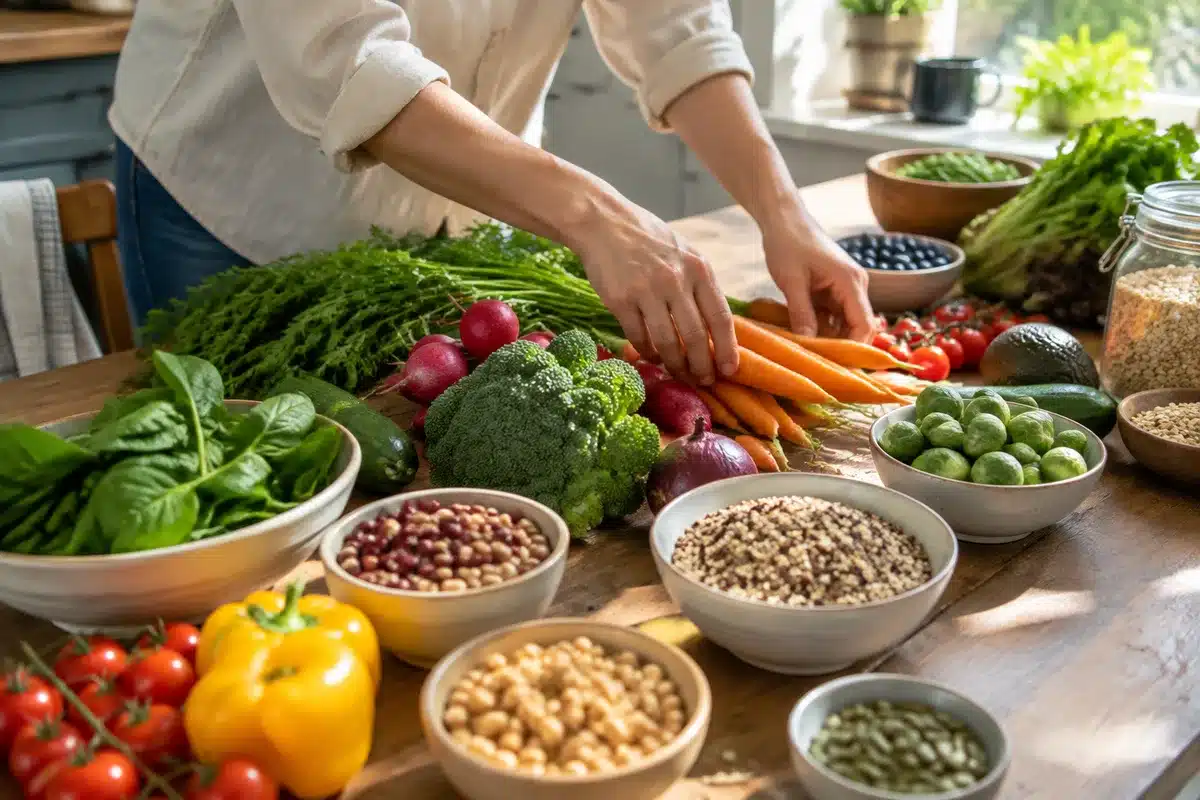
The team compared several eating patterns, including the Mediterranean diet, plant-based diets, and the DASH diet. The findings suggest that overall diet quality matters—but one approach stood out. EatingWell reports that the so-called Planetary Health Diet was linked to the lowest risk of obesity among the patterns examined. Also called the Planetary Health Diet, this way of eating emphasizes vegetables, fruits, whole grains, legumes, and nuts. Plant-based protein sources like lentils, chickpeas, and tofu are central. By contrast, red meat, processed meats, ultra-processed foods, and refined carbohydrates are limited. Researchers also found that diets that provoke a stronger insulin response were tied to greater weight gain during menopause.
Experts quoted by EatingWell advise swapping meat for legumes a few times a week, choosing whole-grain options, and favoring simple snacks such as a piece of fruit with a handful of nuts. They also stress getting enough protein to help maintain muscle mass. It’s important to note that this is an observational study—so it shows an association but can’t prove that the diet directly prevents weight gain.
Combined with regular physical activity, this eating approach may nonetheless make the menopausal years easier to manage. The emphasis is not on eating less but on selecting foods that support better long-term health.
Similar Posts
- At 54, She Looks 20 Years Younger by Changing These 3 Daily Habits!
- Experts Agree: Avoid Eating at This Time to Prevent Weight Gain
- Lose Arm Fat Fast: Quick & Effective Tips to Slim Down!
- Discover the Hidden Mistake Sabotaging Your Weight Loss After 45!
- This High-Protein Food Is Ideal for Burning Belly Fat

Ellis McDowell is a trend analyst with a sharp eye for spotting the next big thing in entertainment. With years of experience in digital media and trend forecasting, Nora tracks the movements of influencers, viral content, and entertainment trends. Her insights help shape the stories that captivate our audience.