NASA issues chilling warning: life on Earth won’t be possible after this date
This bizarre French customer habit is driving shop owners crazy
You don’t have to spend a fortune to eat well! With its gentle flavor and superb melting texture, another cheese makes an excellent choice for raclette lovers.
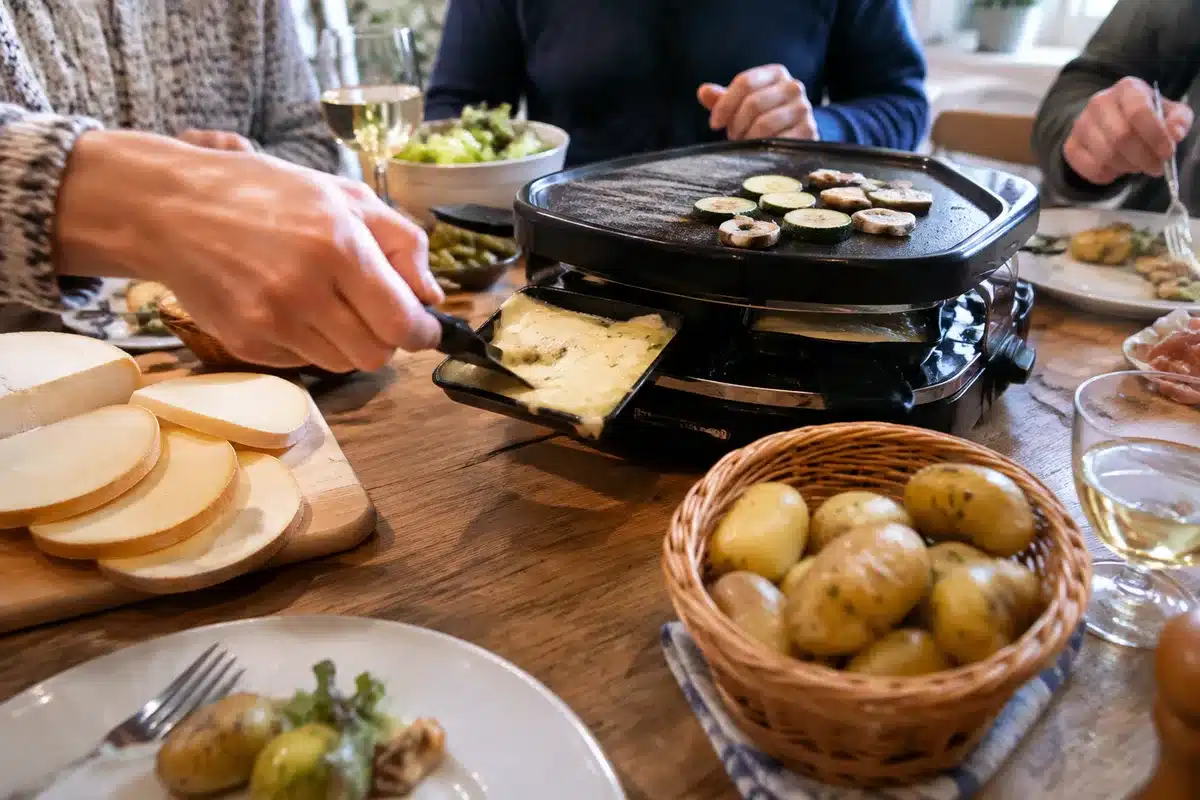
Now that the weather is turning colder, raclette nights are back on the menu. A few steaming potatoes, some cured meats, pickles and—most importantly—plenty of melted cheese are exactly what you need to warm up both body and soul. But when you stop by the cheese shop, the sticker shock can put a damper on your plans. Some traditional raclette cheeses sell for more than €30 per kilo, and the fancier varieties—smoked, peppered, or otherwise flavored—can top €40. Thankfully, there’s a tasty alternative that won’t break the bank. In fact, a local cheesemonger tipped us off to it.
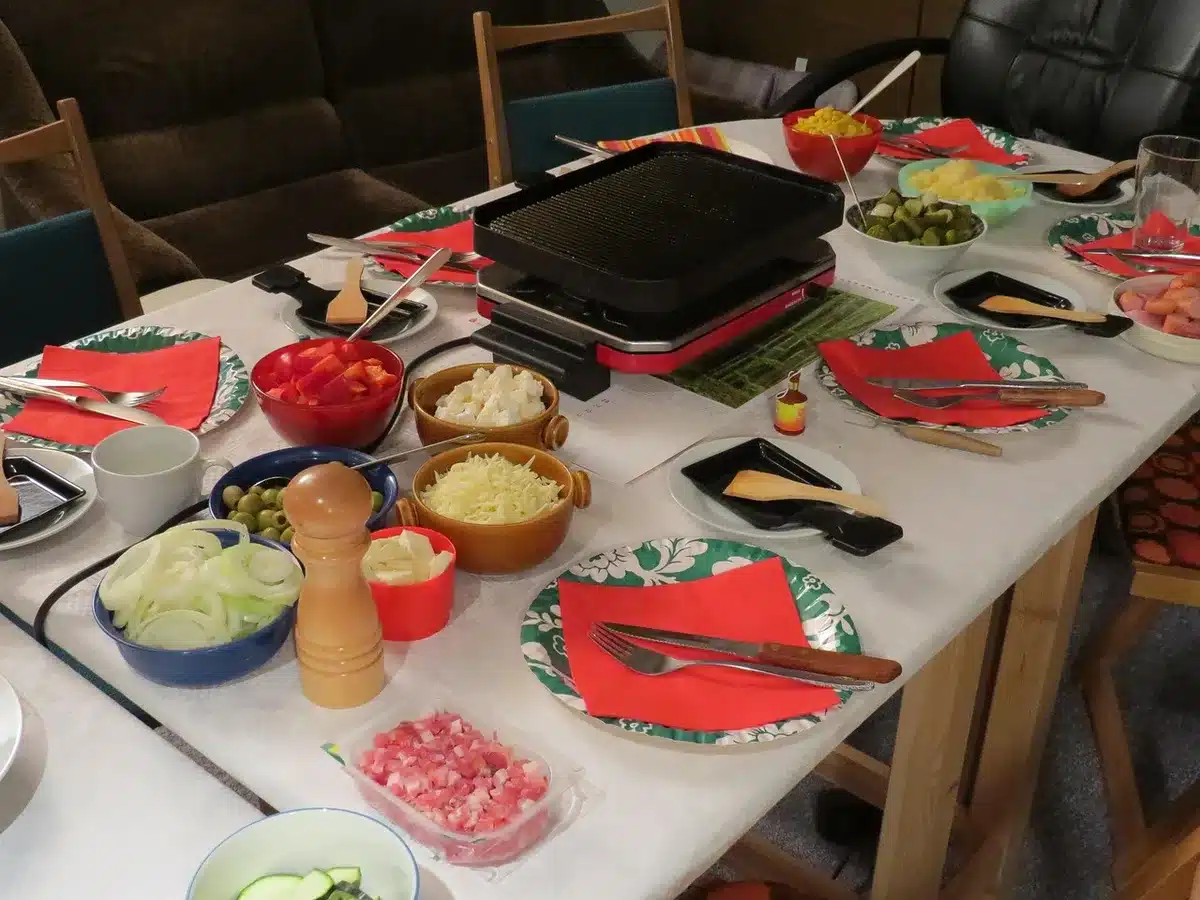
His pick? Morbier. That Jura cheese, recognizable by its creamy paste bisected by a thin black line, is often seen on cheese boards or on rustic bread—but it also works wonderfully in the raclette pan. “I like to use it for raclette: it’s mild and it melts beautifully,” the cheesemonger told us. Once warmed, morbier turns luxuriously creamy and coats potatoes just as generously as a classic raclette cheese.
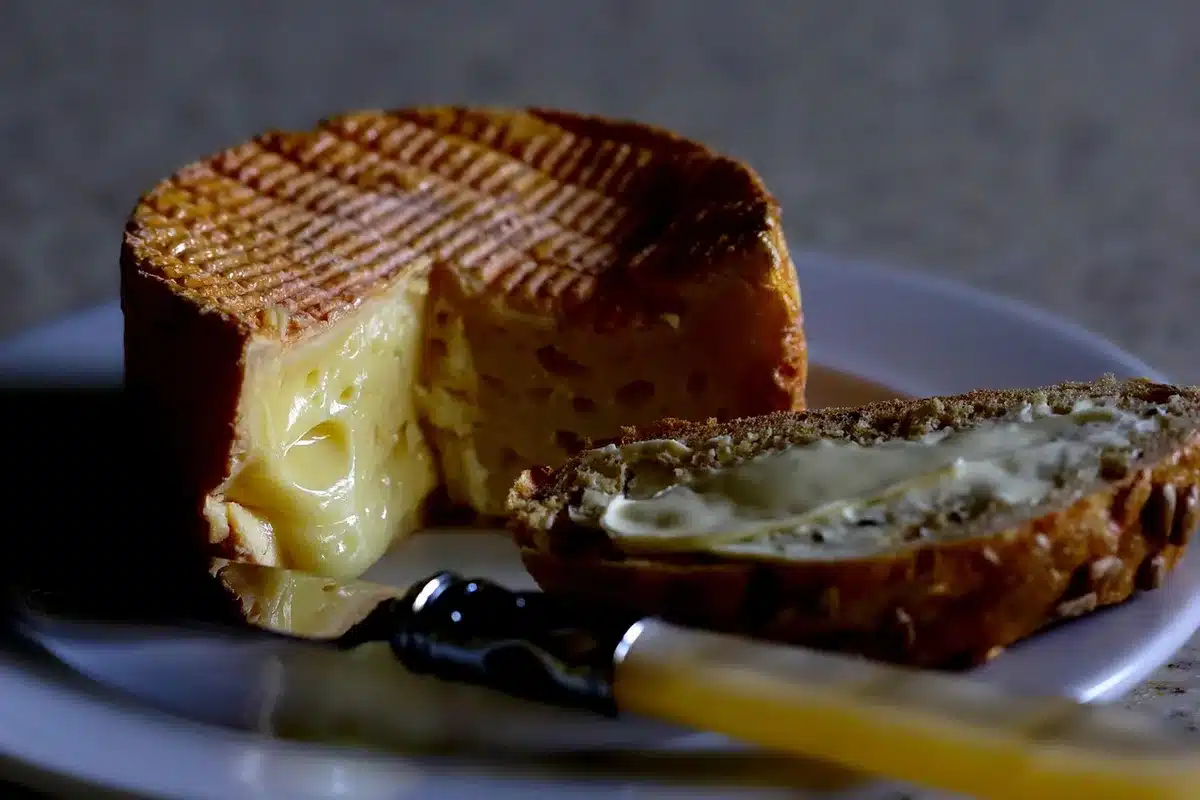
Flavor-wise, it holds its own. “It has a silky texture with a very mild, milky taste,” he explained. With subtle fruity and vanilla hints, morbier brings a slightly different profile without being overpowering. Its other major advantage is price. While demand for raclette rises in season and some artisanal or flavored wheels can be expensive, morbier is produced year‑round in the Jura fruitières and tends to be more budget-friendly. Depending on the vendor and the aging, you can often find it around €20 per kilo—sometimes €10 to €20 less than certain sliced raclettes.
And don’t be alarmed by that signature black line. Despite its look, morbier is not a blue cheese—the stripe is edible vegetable ash and doesn’t add any distinct flavor. To enjoy it as raclette, just cut it into slices, place them in the little pans, and let them melt slowly. You can even offer it alongside a traditional raclette to vary the flavors. Chances are your guests will come back for seconds!
Similar Posts
- Cheese Expert Reveals Best Budget-Friendly Cheese That Melts Perfectly for Raclette!
- Master the Perfect Cheese Amount for Raclette with This Savoyard Rule!
- Savoyards’ Secret Recipe to Transform Leftover Potatoes After Raclette Revealed!
- Eat Raclette Without Gaining Weight: Nutritionist Reveals Light & Tasty Recipe!
- Cheese Expert Reveals Best Drink to Pair with Raclette, Better Than Wine!

Felix Marlowe manages Belles and Gals’ vibrant social media platforms. With expertise in social engagement and viral marketing, Felix creates content that sparks conversation and keeps followers coming back for more. From celebrity news to trending challenges, Felix makes sure our social media stays at the forefront of pop culture.