NASA issues chilling warning: life on Earth won’t be possible after this date
This bizarre French customer habit is driving shop owners crazy
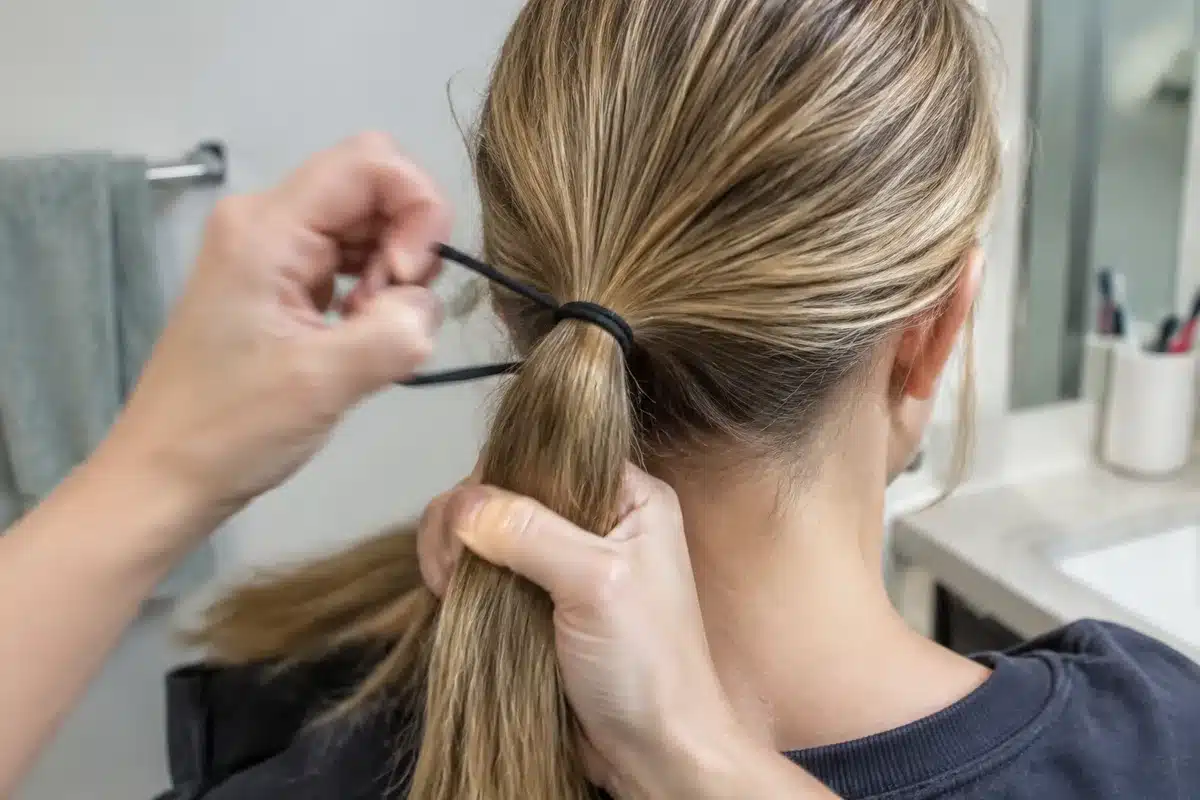
Having to tighten your ponytail one extra turn is not insignificant.
Sometimes, while looking in the mirror, a little detail stands out: the hair tie that used to hold your ponytail snugly now feels loose. You give it another twist. You might blame tiredness or seasonal shedding. Yet neither your brush nor the shower drain seem to hold more hair than before.
What if the issue is that individual hairs are getting thinner? Hair can lose bulk without any dramatic increase in visible shedding. “One thing that surprises me: many people wait until they see hair falling out before worrying about their scalp,” says Solange Priso, a certified clinical trichologist and partner of the brand Démélé. For her, needing "one more twist" of the elastic can be an early warning sign. This change may be tied to a process called follicular miniaturization. Over cycles, some follicles produce progressively finer strands. The overall mane then slowly loses volume, even though the number of hairs found on your pillow might not rise noticeably.

It’s important to tell that thinning apart from breakage. To do that, the expert recommends collecting hairs over a few days and checking them. A hair that has naturally shed often shows a tiny, lighter swelling at one end — the bulb. A short piece without a visible bulb more likely points to a snapped fiber. This check offers a clue but isn’t a full diagnosis. If your lengths are breaking, it’s wise to cut back on heat styling, avoid very tight hairstyles, and be gentler when handling wet hair.

When strands appear finer right from the root, adopting a gentle care routine can help protect the scalp. Work shampoo into the scalp with your fingertips, avoiding vigorous rubbing of the mid-lengths and ends. Treatments that include glycerin or panthenol can help retain moisture. And if your part is getting wider, remember that the newly exposed skin needs sun protection.
However, no single shampoo can address every cause of reduced hair density. “My main advice remains prevention: when you notice hair thinning, it’s better to seek medical advice,” emphasizes Solange Priso. A doctor can investigate iron deficiency or thyroid problems if indicated. They can also discuss suitable treatments, including topical minoxidil for certain types of female hair loss. The priority is to treat the underlying cause rather than piling on random serums and lotions.
Similar Posts
- Hair Transplant Surgeon Exposes True Barriers to Hair Growth
- Hairstylist Warns: This Common Habit Makes Your Hair Greasier—Discover the Miracle Solution!
- New hair-growth technique promises thicker hair in just 3 sessions
- Hair Stylist Reveals: This Brushing Mistake Stops Your Hair From Shining!
- Revolutionary Hair Washing Technique: Stylists Banish Oily Roots Forever

Ellis McDowell is a trend analyst with a sharp eye for spotting the next big thing in entertainment. With years of experience in digital media and trend forecasting, Nora tracks the movements of influencers, viral content, and entertainment trends. Her insights help shape the stories that captivate our audience.