
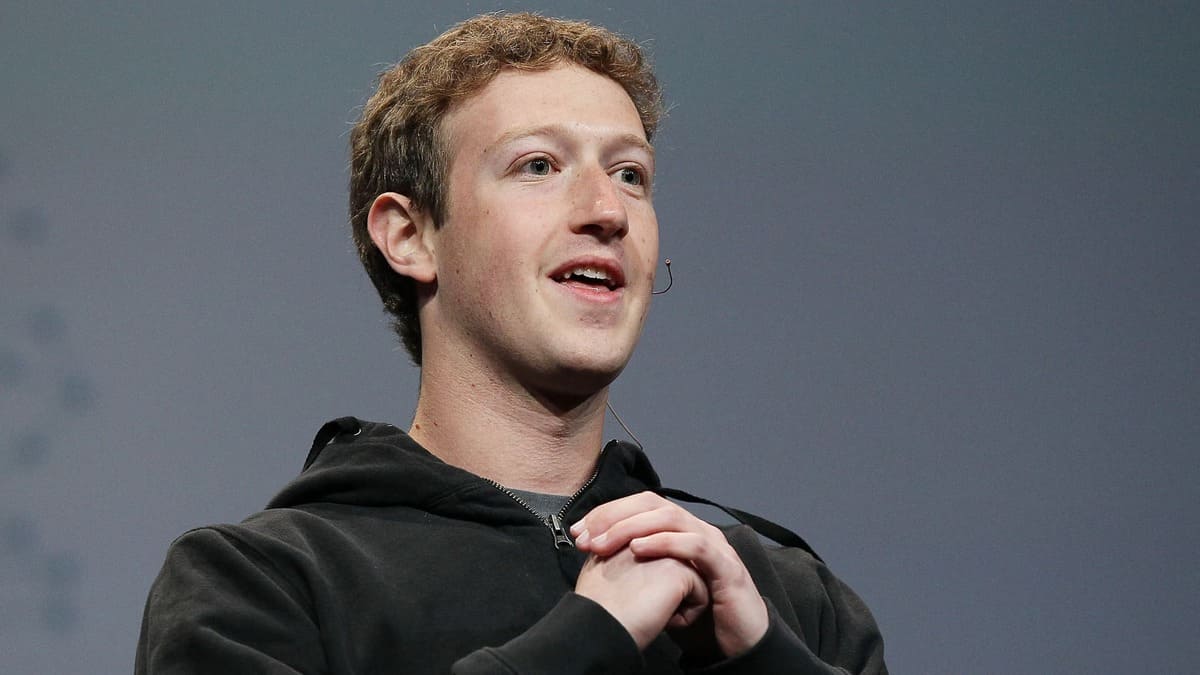
In 2004, a young Mark Zuckerberg, then a 19-year-old Harvard student with a knack for coding, found himself at the forefront of a digital revolution. At a time when social media was in its infancy, he wasn’t the only one experimenting with the idea of connecting students through online networks. Yet, Zuckerberg had something others didn’t—a sharp understanding of the value of personal data.
He thought he was rescuing a sheep—but it turned out to be something else
This bizarre French customer habit is driving shop owners crazy
Before Facebook, Zuckerberg had already stirred controversy. He created FaceMash, a website that allowed students to compare their peers’ appearances in a head-to-head ranking system. While it quickly went viral, the site was widely criticized for its sexist undertones and misuse of student photos. However, this early experiment planted a seed: what if there was a platform where users willingly shared their lives online?
A Rivalry That Shaped History
Zuckerberg wasn’t the first to imagine a digital “face book.” Fellow Harvard student Aaron Greenspan had already launched The Face Book, a website designed to serve as an online student directory. Greenspan, struggling with technical issues, even reached out to Zuckerberg for help. But Zuckerberg had a different vision. He wanted to create a platform that was more than a directory—something dynamic, informal, and exclusive.
On February 4, 2004, Zuckerberg launched thefacebook.com. Greenspan, feeling betrayed, later sued, igniting a legal battle that would follow Zuckerberg for years. But the launch was a success, drawing thousands of Harvard students to the platform in its first days.
“They Trust Me, the Suckers”
What set Zuckerberg apart wasn’t just his coding skills or his ability to attract users—it was his early understanding of data’s value. According to the book An Ugly Truth by Sheera Frankel and Cecilia Kang, Zuckerberg marveled at how freely users shared personal details like email addresses, photos, and even relationship statuses.
In a private exchange with a friend, Zuckerberg reportedly said: “I have over 4,000 emails, photos, addresses… They trust me, the suckers.” It was a chilling glimpse into his mindset at the time, one that hinted at how central personal data would become to his burgeoning empire.
Growth, Controversy, and the First Investors
Within a year, The Facebook grew beyond Harvard, attracting a million users across U.S. universities. This rapid success caught the attention of early tech investors, including Peter Thiel (co-founder of PayPal) and Marc Andreessen (creator of Netscape). Meanwhile, Sean Parker, the visionary behind Napster, joined the team, helping shape the startup’s future.
But the heart of Facebook’s early appeal—and its revenue potential—lay in its ability to collect and organize vast amounts of personal information. Users freely entered their age, location, gender, and more, creating a treasure trove of data for targeted advertising. By September 2005, the platform had simplified its name to Facebook and extended its reach to high school students, further widening its user base.
A Reluctant Apology for Privacy Breaches
As Facebook’s popularity soared, so did the scrutiny. In 2006, Zuckerberg introduced a new feature: the News Feed, which aggregated users’ activities and made them visible to their networks. What seemed like a logical next step for engagement caused an uproar. Suddenly, private details like relationship statuses or vacation photos were displayed prominently, often without users’ explicit consent.
The backlash was swift. Users accused Facebook of breaching their trust and exploiting their data. For the first time, Zuckerberg faced public outrage over privacy concerns. He issued a lukewarm apology, promising minor adjustments while largely sticking to his original plan. Eventually, Facebook allowed users to control what appeared on their profiles, but the damage to its reputation was done.
The Turning Point: Opening Facebook to the World
On September 26, 2006, Facebook opened its doors to anyone over the age of 13. This marked a turning point for the company. What began as a college network exploded into a global phenomenon, with millions of users signing up. By then, Zuckerberg had firmly grasped the formula: the more data users shared, the more profitable Facebook became.
That same year, Zuckerberg rejected a $1 billion acquisition offer from Yahoo, a move that stunned his board of directors. His gamble paid off. Within a few years, Facebook’s valuation skyrocketed, cementing its status as a tech giant.
Data: The Foundation of Facebook’s Empire
At its core, Facebook’s success was built on personal data monetization. From the early days, the platform collected an unprecedented amount of information, laying the groundwork for the targeted advertising model that would dominate the internet for decades. Age, location, interests, and even political preferences became tools for marketers, transforming Facebook into one of the most profitable companies in history.
However, the company’s reliance on user data has also drawn criticism. Over the years, Facebook has faced accusations of exploiting user privacy, fueling misinformation, and influencing elections. Despite these challenges, the company—now under the Meta umbrella—continues to wield immense power, largely thanks to the early decisions Zuckerberg made about the value of data.
A Legacy of Innovation and Controversy
Looking back, it’s clear that Zuckerberg’s success wasn’t just about creating a social network—it was about creating a system where users willingly became the product. His infamous comment, “They trust me, the suckers,” may have been offhand, but it foreshadowed the ethical dilemmas that would define his career.
Today, as regulators and governments grapple with the implications of big data and digital privacy, Zuckerberg’s early insights into user behavior remain both a testament to his brilliance and a cautionary tale. Facebook’s rise may have changed the world, but it also left us with a question: at what cost?
Similar Posts
- Facebook employees express sadness and shame over Zuckerberg’s decisions
- Why Musk and Zuckerberg really can’t stand each other
- This new book sends shockwaves through Meta and Mark Zuckerberg’s empire
- Threads by Zuckerberg and Musk: a rivalry that’s heating up fast
- Gen Z is ditching TikTok amid looming ban—and jumping on a new Chinese app

Felix Marlowe manages Belles and Gals’ vibrant social media platforms. With expertise in social engagement and viral marketing, Felix creates content that sparks conversation and keeps followers coming back for more. From celebrity news to trending challenges, Felix makes sure our social media stays at the forefront of pop culture.


