

Exciting times are ahead for Android enthusiasts! Google is gearing up to release Android 16, the latest major update to its beloved operating system. Whether you’re a developer eager to explore new features or a casual user anticipating enhanced functionality, here’s everything you need to know about this upcoming update.
He thought he was rescuing a sheep—but it turned out to be something else
This bizarre French customer habit is driving shop owners crazy
When Will Android 16 Be Released?
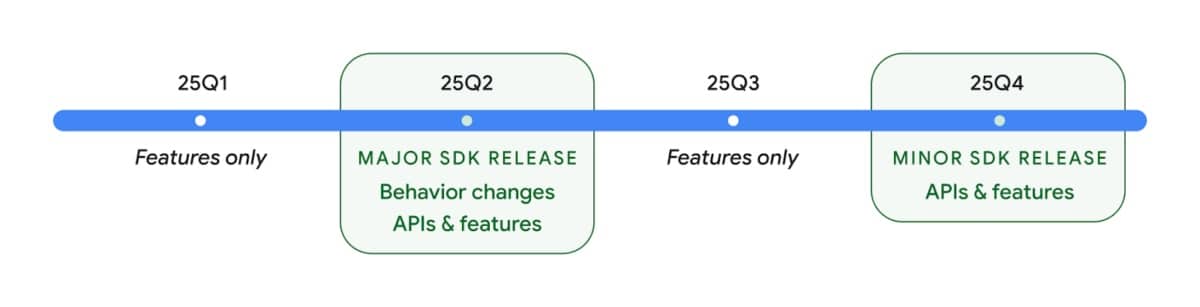
Mark your calendars! Google has accelerated the development timeline for Android 16, showcasing its commitment to innovation. The first Developer Preview (DP1) was rolled out on November 18, 2024, exclusively for app developers. According to Google‘s provisional schedule, the first beta version is slated for early 2025, with a stable release expected by spring 2025. This is notably ahead of the usual timeline—compare this to Android 15, whose Developer Preview launched in February and its stable version followed in October.
Two Versions of Android in 2025?
Yes, you read that correctly. Google plans to release two updates in 2025. Following the spring launch of Android 16, another update is on the horizon for the end of the year. This second release is described as a “minor SDK upgrade”. While it’s not yet clear what the official name will be, possibilities include Android 16.1 or Android 16L, rather than jumping straight to Android 17. This dual-release strategy underscores Google’s dedication to continuously improving the Android ecosystem.
What’s New in Android 16?
Android 16 is packed with a host of new features and enhancements. Here’s a closer look at some of the standout additions:
Material Design Update
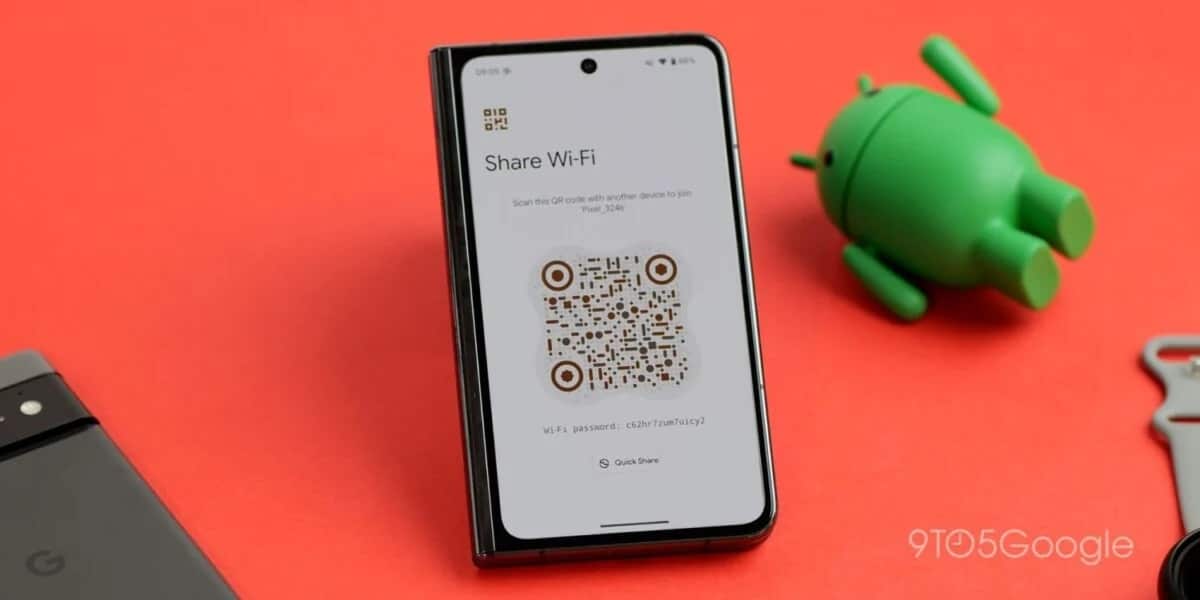
Google is refining Android’s aesthetic with the latest iteration of Material Design. One notable update includes a revamped Wi-Fi sharing via QR Code, which now sports a fresh look on Google Pixel smartphones. This ensures a more seamless and visually appealing user experience.
New Photo Selector
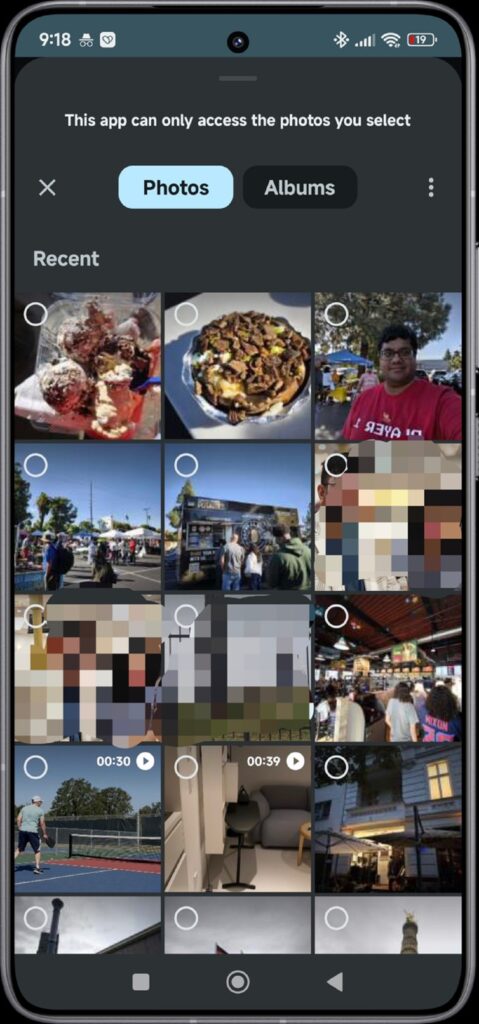
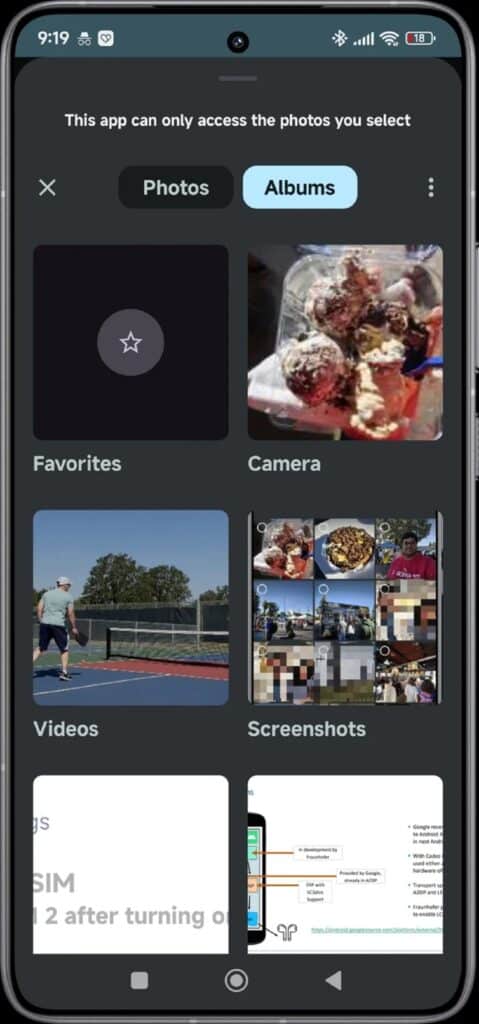
Developers will appreciate the enhanced photo selector introduced in Android 16. This feature is backward compatible with Android 4.4 through an update to Google Play Services. It allows for deeper integration of image selection within apps, making the process feel more native and intuitive. A friend who’s a developer shared how this update made integrating photo features into her app much smoother, enhancing both functionality and user satisfaction.
Bluetooth Audio Sharing with Auracast
Ever wished you could share audio seamlessly with a friend while on a trip? Android 16 brings Bluetooth Auracast to the table, enabling two wireless headphones to connect simultaneously to the same device. Imagine watching a movie with a friend on a long flight without the hassle of tangled wires. This feature promises to make shared listening experiences more convenient and enjoyable.
Enhanced Health Data Integration
Health enthusiasts and professionals will find the updates to Health Connect particularly beneficial. Android 16 allows developers to read and write medical data using the FHIR (Fast Healthcare Interoperability Resources) standard. This means your health data can be more easily shared with healthcare providers, fostering better health management and personalized care.
Low Light Mode
Struggling with screen brightness at night? Android 16 introduces a Low Light Mode that dims the display to reduce glare in low-light environments. Currently available on the Google Pixel 9, this feature is perfect for those late-night browsing sessions or reading before bed, ensuring your eyes stay comfortable.
New Version for Tablets and PCs?
Rumors are swirling about Google’s plans to integrate Chrome OS more closely with Android. According to sources from Android Authority, this initiative aims to make Android more competitive on larger screens, such as tablets and PCs, potentially challenging Apple’s iPad dominance. While details are still under wraps, Google did confirm at the Google I/O event that elements of Android will be integrated into Chrome OS, starting with the Android Linux kernel. This ambitious project could redefine the landscape of mobile and desktop operating systems, though it may take several years to fully materialize.
Compatible Smartphones
Android 16 will initially support a range of Google Pixel devices, ensuring that users of these flagship phones are among the first to experience the new features. The compatible devices include:
- Google Pixel 6a, Pixel 6, Pixel 6 Pro
- Google Pixel 7a, Pixel 7, Pixel 7 Pro
- Google Pixel Fold and Google Pixel Tablet
- Google Pixel 8a, Pixel 8, Pixel 8 Pro
- Google Pixel 9, Pixel 9 Pro, Pixel 9 Pro XL, and Pixel 9 Pro Fold
Additionally, most smartphones released in 2024 and 2025 are expected to receive the Android 16 update, provided the manufacturers offer robust software support. For instance, Samsung has committed to four years of updates for the Galaxy S22 series launched in 2022, ensuring these devices will smoothly transition to Android 16 in 2025.
How to Install Android 16
At this stage, installing Android 16 is not recommended for the average user, as it involves significant risks, including potential data loss. However, if you’re a developer or a tech enthusiast willing to experiment, you can download and install the Developer Preview. The process requires a compatible smartphone and a computer. Always ensure you back up your data before attempting any installation of an unstable operating system version.
The Shadow of Google’s Lawsuit
2025 could be a pivotal year for Google beyond just Android updates. The tech giant is embroiled in a landmark lawsuit in the United States, accused of maintaining a dominant market position. The implications of this case are still unfolding, with potential outcomes ranging from being forced to sell Google Chrome to possibly divesting from Android altogether. Interestingly, political shifts could influence the lawsuit’s trajectory. With Donald Trump returning as U.S. President in January 2025, there is speculation that the administration might ease legal pressures on Google, particularly to bolster American tech companies against Chinese competitors. The final verdict is expected in spring 2025, and its impact on Android and Google’s broader ecosystem remains to be seen.
Similar Posts
- How to send your location by text in case of an emergency ?
- New Virus Can Wipe Your Smartphone Completely If You Don’t Pay Up!
- Google TV Introduces “News Briefs”—Here’s What to Expect
- Biggest Scam Ever Targets Google Users – How to Spot It!
- How to Send Your Location via Text in an Emergency

Felix Marlowe manages Belles and Gals’ vibrant social media platforms. With expertise in social engagement and viral marketing, Felix creates content that sparks conversation and keeps followers coming back for more. From celebrity news to trending challenges, Felix makes sure our social media stays at the forefront of pop culture.


