
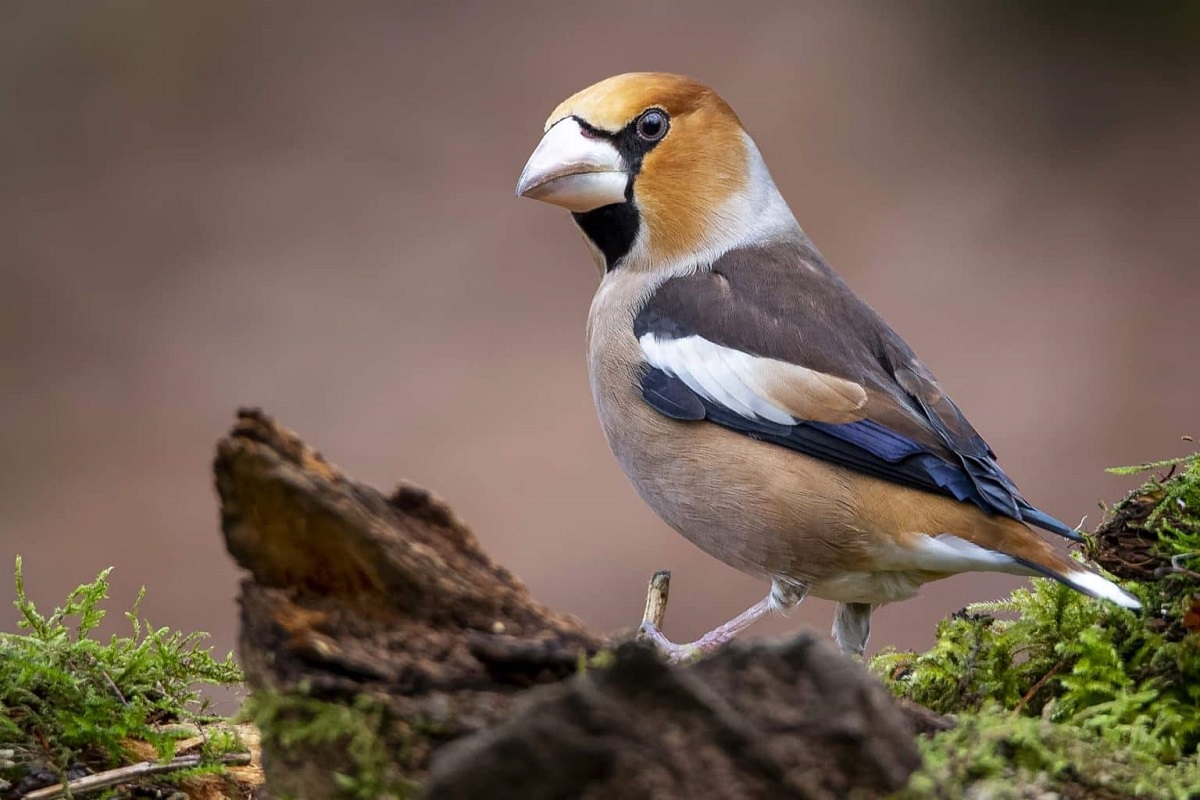
Winter might seem like a quiet season when the world outside is tucked under a blanket of frost, but it’s also a unique opportunity to spot truly remarkable birds right in your own backyard. One especially striking visitor is sometimes called the “hawfinch,” easily recognized by its massive head and robust beak—a powerful tool that lets it crack even the toughest seeds. If you’ve never considered turning your garden into a winter refuge, this bird might just inspire you to start.
He thought he was rescuing a sheep—but it turned out to be something else
This bizarre French customer habit is driving shop owners crazy
A Bird Like No Other
Measuring around 18 cm from beak to tail, this majestic winter bird stands out among common backyard visitors. Its plumage combines warm browns and soft oranges, and that impressive bill is strong enough to break open cherry pits and tough berries. While it often prefers woodland habitats, it won’t hesitate to explore a well-prepared garden in search of food—especially when natural supplies run low.
Why Make Your Garden a Winter Retreat for This Bird
Welcoming this special bird into your yard means more than just enjoying a fascinating display. By offering shelter and a steady food supply, you’ll be contributing to biodiversity and helping maintain healthy bird populations. In colder months, these visitors help disperse seeds, ensuring future growth of plants and trees in the area. Beyond that, it’s simply a treat to watch their feeding antics and their methodical approach to cracking open seeds.
Simple Steps to Attract This Majestic Bird
Creating an inviting space doesn’t have to be complicated. A few adjustments go a long way toward luring this winter wanderer into view:
- Focus on Proper Winter Feeding
Since this bird is primarily granivorous, stock your feeders with high-fat, high-energy foods like sunflower seeds, crushed almonds, or hazelnuts. Adding berries—such as sloes or elderberries—can also broaden its menu and keep it coming back. - Offer Fresh Water
Even during cold spells, birds need unfrozen water for drinking and preening. Consider a shallow dish with a water heater, or swap out the ice each morning to ensure they have a reliable water source. - Provide Safety
Like most birds, this species feels safer if it can dart into dense shrubs or bushes at the first sign of danger. Place feeders near foliage but away from ground-level hiding spots where cats might lurk.
Avoid These Common Pitfalls
A few simple missteps could scare away this shy bird—or worse, harm its health:
- Using Treated Seeds: Chemically coated seeds can be toxic. Stick to high-quality birdseed free of pesticides.
- Neglecting Feeder Hygiene: Spoiled food and droppings can spread diseases. Clean feeders regularly to keep them sanitary.
- Placing Feeders in Open Spaces: If feeders are too exposed, this bird will feel vulnerable to predators such as cats or hawks.
Expert Insights
“Welcoming a hawfinch to your garden is a rare opportunity,” says Philippe Durand, an ornithologist and author of multiple bird guides. “Not only do you get a front-row seat to witness its incredible feeding habits, but you also support wildlife conservation by offering it a safe haven during the colder months.”
Observe with Care
There’s no denying the excitement of spotting such an impressive bird at close range. Still, it’s vital to respect its comfort zone. Watch from a window or use binoculars to enjoy the show without disturbing it. Quick movements and loud noises can send it searching for a quieter yard.
Creating a Refuge for All Winter Birds
By setting up shelter and resources for this hawfinch, you’ll naturally attract other seasonal favorites too. Birds like robins, tits, and goldfinches may also benefit from well-placed feeders, nesting spots, and a reliable water supply. Before you know it, your garden will become a bustling hub of winter activity.
A Rare Treat Worth Protecting
Spotting this strong-billed visitor in your yard can feel like stumbling upon a hidden treasure. Offering it food and water, along with protective cover, helps you play a role in its long-term survival—while getting a front-row seat to some impressive seed-cracking. So, if you’ve ever dreamed of turning your garden into a winter haven, now’s the perfect time. Embrace the season, keep your feeders stocked, and who knows—you just might catch a glimpse of this majestic guest in all its glory.
Similar Posts
- Should You Start Feeding Birds as Soon as It Gets Cold?
- Feeding Birds in Winter: Avoid These Common Mistakes
- Is It Too Early to Feed Birds When the Cold Sets In ?
- How to help robins survive the snow ? : simple tips to protect them this winter
- Attracting birds to your garden: This one magical ingredient draws dozens of chickadees!

Felix Marlowe manages Belles and Gals’ vibrant social media platforms. With expertise in social engagement and viral marketing, Felix creates content that sparks conversation and keeps followers coming back for more. From celebrity news to trending challenges, Felix makes sure our social media stays at the forefront of pop culture.


