
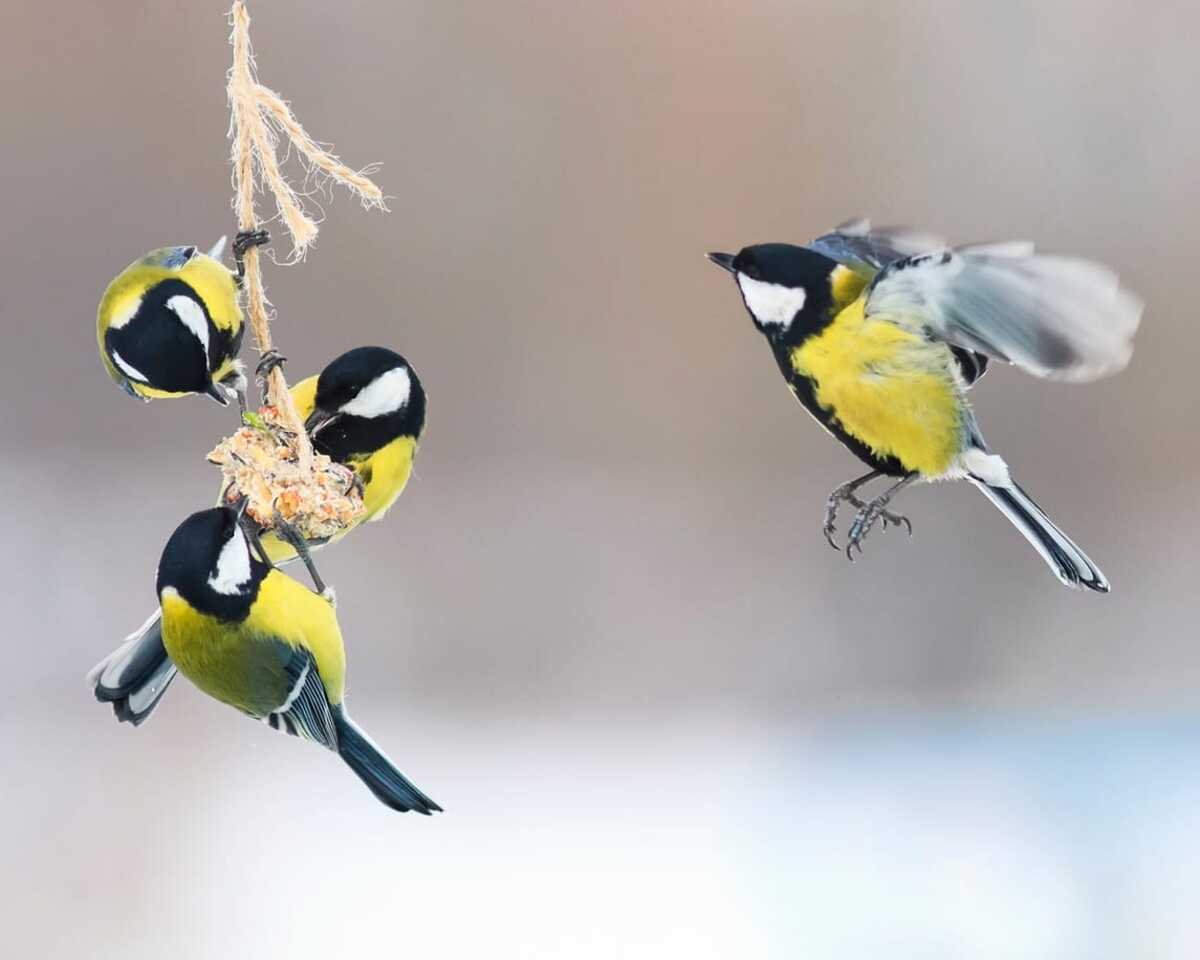
As the chill of winter sets in, many nature enthusiasts find themselves wondering: should we start feeding garden birds right away? While it’s a kind gesture, there’s more to it than simply scattering seeds. Helping birds through the winter requires careful timing, thoughtful choices, and an understanding of their natural behaviors. Here’s everything you need to know to lend a hand without disrupting their natural balance.
He thought he was rescuing a sheep—but it turned out to be something else
This bizarre French customer habit is driving shop owners crazy
Why Do Birds Need Extra Food in Winter?
Garden birds play a crucial role in local ecosystems, but winter presents serious challenges for them. Freezing temperatures and snowfall often make their usual sources of food—like insects, seeds, and berries—scarce or inaccessible. Supplementing their diet during this tough season can help them survive, especially when natural food supplies dwindle.
However, it’s essential to approach bird feeding responsibly. Done improperly, feeding can disrupt their natural foraging habits or even pose risks to their health. Striking the right balance is key.
When Is the Right Time to Start Feeding Birds?
Timing is critical. Starting too early, when food is still readily available in nature, could make birds overly reliant on handouts. Experts recommend beginning around November, when temperatures drop significantly, or after the first frost. This ensures birds only receive extra help when they truly need it.
Avoid feeding during warmer months, as this can interfere with birds’ natural instincts to find food independently. When spring arrives, it’s best to stop feeding entirely, encouraging birds to return to their normal foraging patterns.
What Foods Are Best for Birds in Winter?
Providing the right food is essential to keeping garden birds healthy. Here are some top choices for winter feeding:
- Seeds: Sunflower seeds (unsalted), millet, and oats are favorites for many species.
- Nuts: Unsalted peanuts, walnuts, or hazelnuts make excellent high-energy snacks.
- Specialized mixes: Many stores offer seed blends and fat balls specifically designed for winter birds. Choose high-quality options without added fillers or plastic mesh.
- Fresh fruits: Slices of apple, pear, or berries can attract species like thrushes and blackbirds.
- Animal fats: Suet or fat-based feed is a great source of energy, especially during freezing weather.
It’s equally important to avoid harmful foods. Bread, salty leftovers, and processed kitchen scraps can be dangerous for birds, causing nutritional deficiencies or health issues.
Where Should You Place Feeders?
The placement of your feeders can significantly affect the safety and comfort of visiting birds. To protect them from predators, such as cats, hang feeders in elevated, open areas but close enough to trees or shrubs where birds can take cover if threatened.
Varying the locations of feeders can prevent overcrowding and reduce the risk of disease transmission. This strategy also creates a more natural feeding environment for birds.
Don’t Forget Water
While food is essential, access to fresh water is just as important during winter. Many natural water sources freeze, leaving birds without a place to drink or bathe. Providing a small dish of water, refilled regularly to prevent freezing, can make a big difference. Avoid using antifreeze or salt to melt ice, as these substances are toxic to birds.
The Risks of Feeding Birds in Winter
Though feeding birds is a generous act, it’s not without potential downsides. Overfeeding or providing the wrong foods can lead to dependence, disrupt migration patterns, and even harm birds. Overcrowded feeding stations can also increase the spread of diseases among birds.
To minimize these risks, focus on moderation. Feed birds only during the harshest months and offer an appropriate variety of food. Once temperatures rise in spring, it’s important to stop feeding so birds can return to their natural habits.
Keep Feeders Clean
One often-overlooked aspect of bird feeding is keeping feeders clean. Dirty feeders can harbor bacteria and mold, leading to illness among birds. To prevent this, wash feeders weekly with hot water and vinegar, then let them dry thoroughly before refilling. Regularly remove spoiled or wet seeds to maintain a healthy feeding environment.
A Thoughtful Way to Help Nature
Feeding birds during winter is a rewarding way to connect with nature while supporting local wildlife. By starting at the right time, choosing the right foods, and maintaining clean feeding stations, you can help birds survive the cold months without disrupting their natural behaviors. These small actions ensure that our feathered friends stay healthy and ready to resume their vital role in the ecosystem when spring arrives.
Similar Posts
- Is It Too Early to Feed Birds When the Cold Sets In ?
- Feeding Birds in Winter: Avoid These Common Mistakes
- How to help robins survive the snow ? : simple tips to protect them this winter
- To protect birds from the cold, place this item where water pools in your garden!
- Don’t Miss the Chance to Welcome This Majestic Winter Bird to Your Garden!

Felix Marlowe manages Belles and Gals’ vibrant social media platforms. With expertise in social engagement and viral marketing, Felix creates content that sparks conversation and keeps followers coming back for more. From celebrity news to trending challenges, Felix makes sure our social media stays at the forefront of pop culture.


