
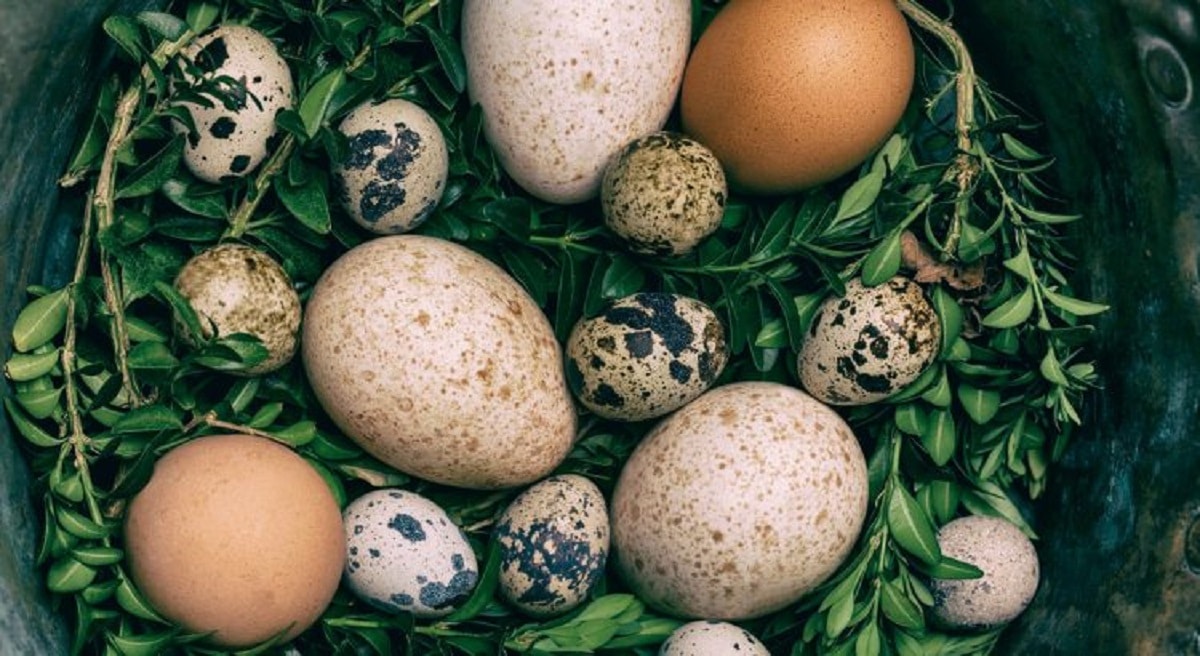
Have you ever wandered the aisles of a grocery store, pondering why turkey eggs are nowhere to be found, despite turkeys being the stars of our Thanksgiving tables? Unlike their more familiar counterparts, chicken eggs, turkey eggs remain a culinary mystery for many. Let’s explore the surprising reasons behind the scarcity of turkey eggs on our plates.
He thought he was rescuing a sheep—but it turned out to be something else
This bizarre French customer habit is driving shop owners crazy
Limited Egg Production
One of the main reasons turkey eggs don’t grace our grocery shelves is the limited egg production of turkeys. Unlike chickens, which are prolific layers, turkeys have a much lower egg yield. While a single hen can produce between 250 to 300 eggs annually, a turkey typically lays only 80 to 100 eggs per year. This means that turkey eggs are inherently rarer, making them less available for commercial sale.
Additionally, turkeys are seasonal layers, with most of their egg production concentrated in the spring months. Chickens begin laying eggs just five months after hatching, whereas turkeys take about seven months to start laying. This seasonal aspect further restricts the availability of turkey eggs throughout the year, unlike chicken eggs which are available year-round.
Higher Costs for a Rare Product
The limited production of turkey eggs directly impacts their cost and market viability. Raising turkeys is more resource-intensive compared to chickens. Turkeys are larger birds that require more feed, more space, and longer periods to reach maturity. These factors contribute to higher production costs, which in turn make turkey eggs more expensive.
For example, a dozen turkey eggs could cost up to $36, whereas a dozen chicken eggs typically costs around $3. This significant price difference makes turkey eggs less attractive to both producers and consumers, leading to their absence in mainstream markets. The poultry industry prioritizes turkey meat over egg production, as the demand and profitability for turkey meat are much higher.
Distinctive Shell and Culinary Use
Turkey eggs also have a unique shell—thicker and often speckled—which can make them slightly more challenging to crack compared to chicken eggs. Despite this, their culinary use is not drastically different. Turkey eggs boast a similar taste to chicken eggs, with a slightly creamier texture due to a higher yolk-to-white ratio. However, the higher cost and limited availability overshadow these qualities, keeping turkey eggs as a niche product primarily used by enthusiasts and gourmet chefs.
Focus on Meat Production
The primary focus of turkey farming is on meat production rather than egg production. Turkeys are raised mainly for their meat, especially during festive seasons like Thanksgiving and Christmas. As a result, the eggs produced by turkeys are usually reserved for breeding purposes to maintain and expand turkey populations. This prioritization ensures that the poultry industry maximizes its meat yield rather than diverting resources to egg production, which is less profitable.
Consumer Demand and Market Preferences
Consumer demand also plays a crucial role in the availability of turkey eggs. Chicken eggs have long been a staple in diets worldwide, supported by established supply chains and consumer preferences. In contrast, there is minimal demand for turkey eggs, partly because chicken eggs already fulfill the market needs efficiently. Without significant consumer interest, there’s little incentive for producers to invest in the higher costs associated with turkey egg production.
Conclusion
In summary, the scarcity of turkey eggs on our plates is a result of limited production, higher costs, and the poultry industry’s focus on meat rather than eggs. While turkey eggs offer a similar taste and texture to chicken eggs, the economic and logistical challenges prevent them from becoming a common household item. Perhaps with a shift in farming practices or an increase in consumer interest, turkey eggs might one day become a more familiar sight in our kitchens. Until then, turkey eggs remain a rare and intriguing alternative for those willing to explore beyond the usual egg options.
Next time you enjoy a turkey feast, spare a thought for the eggs that never made it to your basket, and appreciate the unique role they play in the world of poultry farming.
Similar Posts
- Do You Know Why We Eat Chicken Eggs but Never Turkey Eggs?
- Why do we eat chicken eggs but never turkey eggs ? The surprising truth revealed
- Unlock the Secret: How to Spot High-Quality Chicken Every Time
- Shocking Secret Ingredient in Roast Chicken Skyrockets Price Unjustly!
- How to Keep Your Chickens Warm and Productive During Freezing Winter Temperatures ?

Felix Marlowe manages Belles and Gals’ vibrant social media platforms. With expertise in social engagement and viral marketing, Felix creates content that sparks conversation and keeps followers coming back for more. From celebrity news to trending challenges, Felix makes sure our social media stays at the forefront of pop culture.


