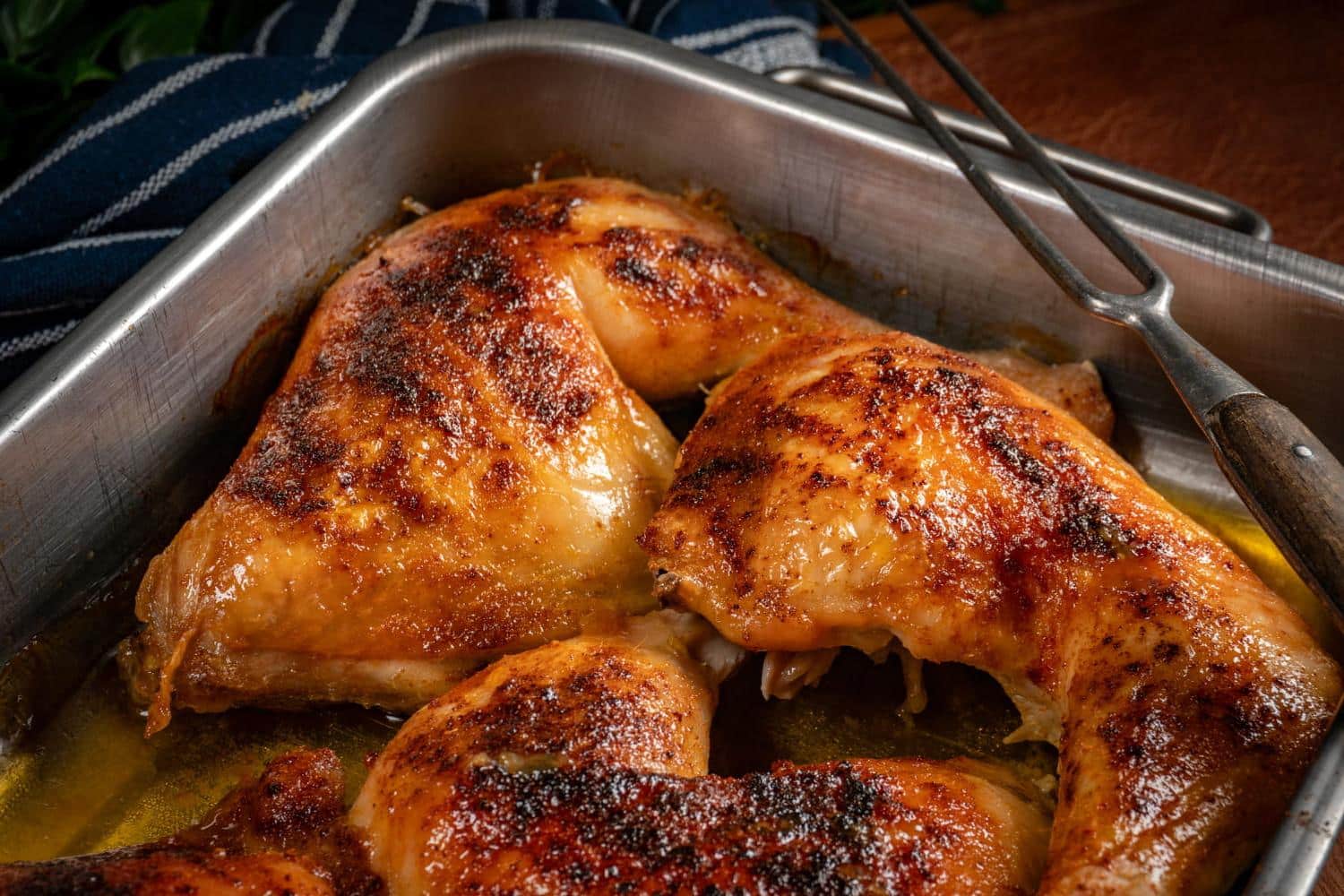
Spotting Top-Quality Chicken Breasts at First Glance
Identifying top-quality chicken breasts isn’t just about seeking out labels. There’s also a particularly telling visual clue that can help.
He thought he was rescuing a sheep—but it turned out to be something else
This bizarre French customer habit is driving shop owners crazy
Chicken’s Rising Popularity
Chicken is anything but on the decline. In fact, with an average consumption of 31.6 kg per person in 2024, it has officially become the most favored meat in the country. Over the past five years, its consumption has surged by 15%. This unprecedented popularity can be attributed to its numerous benefits. According to a survey conducted by Anvol (the national interprofessional association of poultry meat), American carnivores highly value chicken for its excellent quality-to-price ratio (89% of respondents), ease of cooking (95%), the taste enjoyment it provides (94%), and its ability to bring people together (94%).
Whether it’s guinea fowl, goose, turkey, duck, or quail, with eight different species raised domestically (a unique national feature!), poultry also means variety. Yet, it’s chicken, accounting for 78.7% of the market share in 2024, that we overwhelmingly flock to. Is all chicken created equal? Not quite.
Quality Variations and Visual Indicators
With every second chicken imported at low cost and under less stringent standards than those upheld by our poultry industry, there are significant variations in quality. While French preferences and the presence of certifications (Label rouge, organic, Bleu Blanc Cœur, etc.) should guide our choices, nothing stops us from closely examining our chicken breasts through the clear film of the package. Indeed, there’s a visual indicator that’s unmistakably revealing, as reported by journalists from the Complément d’Enquête program on France 2.
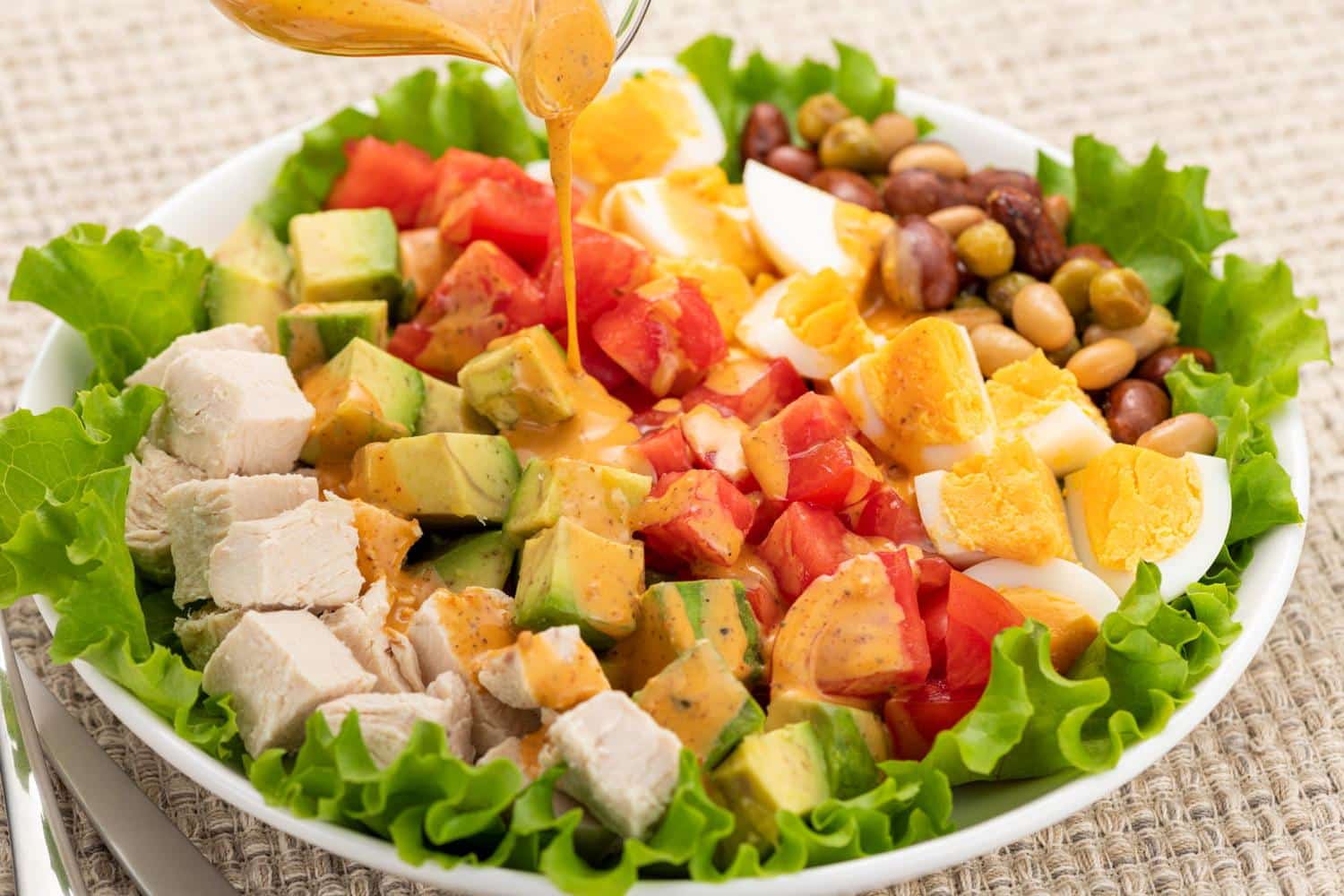
Firstly, it’s important to know that so-called “fast-growing” chickens from intensive farming reach their slaughter weight in just 5 to 7 weeks, compared to 11 to 14 weeks for “free-range” chickens. Because they grow quickly (and spend less time outdoors), they are unsurprisingly fatter, containing up to 4% lipids, compared to 1% for those raised outdoors. This difference directly impacts the meat: a standard or lower quality breast, permeated with fats and connective tissues, often exhibits fine white striations on the surface, a mark not found on higher quality breasts, which maintain a uniform appearance. Next time you’re preparing nuggets or a Caesar salad, keep an eye out!
Thus, in the poultry aisle, choosing the right chicken is not left to chance. A uniformly smooth breast, free from whitish striations, often tells you more than extensive marketing. Paired with a clearly indicated origin and a recognized label, this visual detail can help avoid unpleasant surprises. A simple, quick, and effective way to make better choices for a product we are consuming more frequently.
Similar Posts
- Red Label Farmhouse Capon Half-Price at This Supermarket!
- Shocking Secret Ingredient in Roast Chicken Skyrockets Price Unjustly!
- Do You Know Why We Eat Chicken Eggs but Never Turkey Eggs?
- Why Don’t We Ever Eat Turkey Eggs? Here’s the Surprising Reason
- Cyril Lignac Reveals His Favorite Sunday Chicken Recipe!

Felix Marlowe manages Belles and Gals’ vibrant social media platforms. With expertise in social engagement and viral marketing, Felix creates content that sparks conversation and keeps followers coming back for more. From celebrity news to trending challenges, Felix makes sure our social media stays at the forefront of pop culture.