
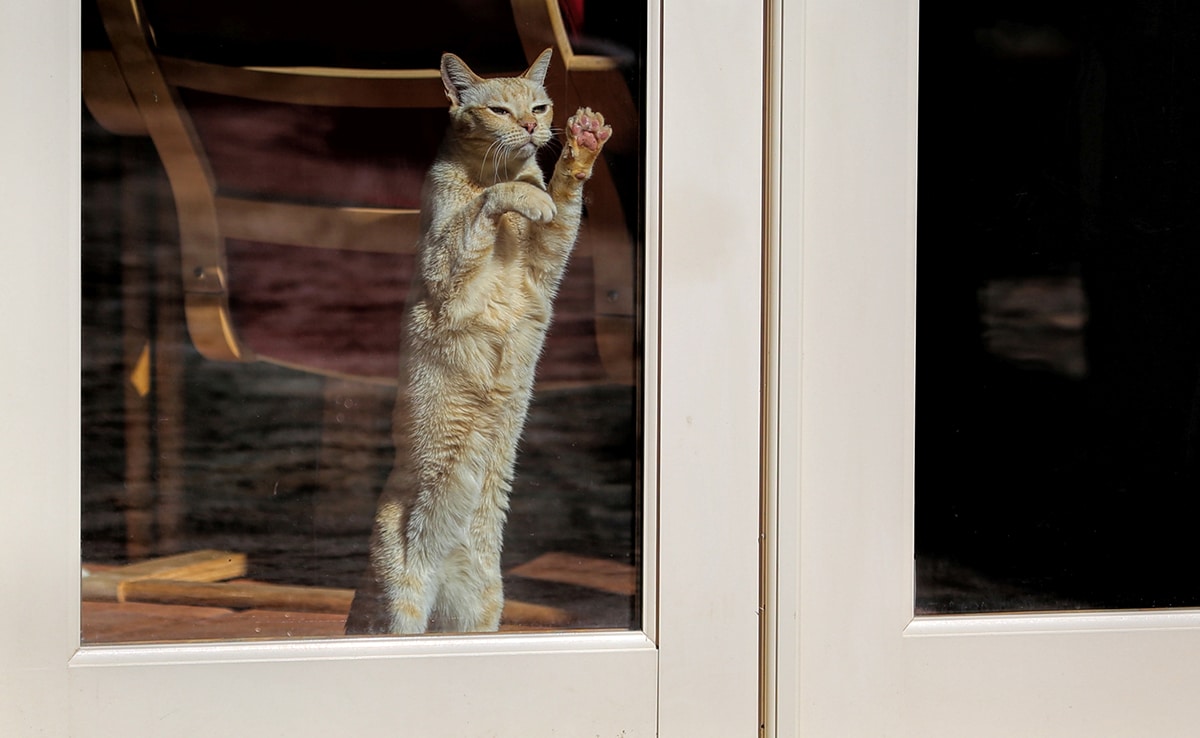
If you’ve ever wondered why your feline friend reacts so strongly to a closed door, you’re not alone. Many cat owners have experienced those persistent meows and insistent pawing at the door, and it turns out there’s more to it than mere curiosity. Our cats, with their long history as semi-independent hunters, still carry instincts that can make them feel confined when their favorite spaces are shut off.
He thought he was rescuing a sheep—but it turned out to be something else
This bizarre French customer habit is driving shop owners crazy
A Matter of Freedom
Imagine if someone blocked every exit on your way home. You’d feel frustrated and trapped, right? In a similar vein, many cats view a closed door as a barrier to their freedom. For our independent companions, the ability to roam freely throughout the house isn’t just a luxury—it’s a vital part of their day-to-day satisfaction. When a door is closed, it restricts their access to areas where they can hunt (even if that hunt is just for stray dust bunnies), relax, or simply observe the world around them. I remember a friend’s cat, Whiskers, who would meow persistently at the door to her bedroom every evening, as if reminding her, “Don’t lock me out!”
The Invisible Threat
Beyond the frustration of restricted movement, a closed door can also signal potential danger to your cat. Without knowing what lies behind it, your feline might imagine all sorts of threats lurking in the unknown. This sense of uncertainty can lead to anxiety and stress. Trusted organizations like the American Association of Feline Practitioners (AAFP) emphasize that a secure and predictable environment is key to reducing stress in pets. For many cats, ensuring that all their territory is marked and known is essential for feeling safe.
Territorial Instincts at Play
Cats are natural markers of territory. They spread their scent on furniture, doorways, and even on you, to reassure themselves that their environment is secure. When a door is closed, it creates an area that they can’t mark with their scent. This can lead to discomfort, as they are unable to establish it as part of their domain. A well-marked territory is a source of comfort for your cat, and if they feel they can’t claim that space, they might express their discontent through behaviors like excessive meowing or even inappropriate elimination.
Restricted Spaces Mean Boredom
For indoor cats especially, every room is an opportunity for exploration and play. A closed door not only limits their physical space but also reduces their mental stimulation. I once read about a cat that, after being confined to just two rooms for too long, became noticeably lethargic and bored. More space means more chances to engage in playful activities, chase after a favorite toy, or simply enjoy a sunny spot on the floor. When a room is off-limits, it can lead to frustration and even behavioral issues.
Missing Out on Interaction
Unlike the common belief that cats are aloof, many are actually very social and enjoy interacting with their owners. When you close a door, especially one leading to a room where you spend a lot of time, your cat may feel isolated. They can hear you and even sense your presence, but the barrier prevents them from joining in. This separation can be particularly stressful if your cat is used to your constant companionship. The American Veterinary Medical Association (AVMA) notes that social interaction is crucial for a pet’s emotional well-being, so it’s no surprise that your cat might protest a closed door that keeps you apart.
Helpful Tips for a Happier Cat
If you find yourself needing to maintain some boundaries while keeping your cat happy, here are a few strategies that might help:
- Install a Cat Flap: A pet door with a recognition feature allows your cat to come and go at will without compromising your privacy.
- Create Enriched Spaces: If you must keep certain doors closed, consider setting up areas with plenty of toys, scratching posts, and perches to keep your cat entertained.
- Gradual Training: Teach your cat that a closed door isn’t a threat. For example, if a door is closed at night, gradually acclimate your pet to this routine by ensuring they have plenty of interaction and playtime earlier in the day.
- Keep Windows Open: Where possible, let natural light and outdoor views into your home to provide visual stimulation and reduce feelings of confinement.
If your cat’s anxiety seems severe—signs like incessant meowing, over-grooming, or hiding—it’s wise to consult your veterinarian. They can offer guidance or recommend behavioral therapies to help your furry friend feel more secure.
Understanding your cat’s reaction to closed doors can make a big difference in both their well-being and your household harmony. With a bit of empathy and some creative solutions, you can help ensure that your beloved pet feels safe, engaged, and a little less frustrated by those pesky closed doors.
Similar Posts
- Why Your Cat Follows You Everywhere: More Than Just a Whim!
- How Much Space Does a Cat’s Territory Need? Key Features Explained
- 10 Tips to Help Your Cat Adjust to Indoor Living
- Why Does My Cat Sleep in Such Strange Places ?
- Why Does My Cat Always Sleep on My Clothes?

Felix Marlowe manages Belles and Gals’ vibrant social media platforms. With expertise in social engagement and viral marketing, Felix creates content that sparks conversation and keeps followers coming back for more. From celebrity news to trending challenges, Felix makes sure our social media stays at the forefront of pop culture.


