
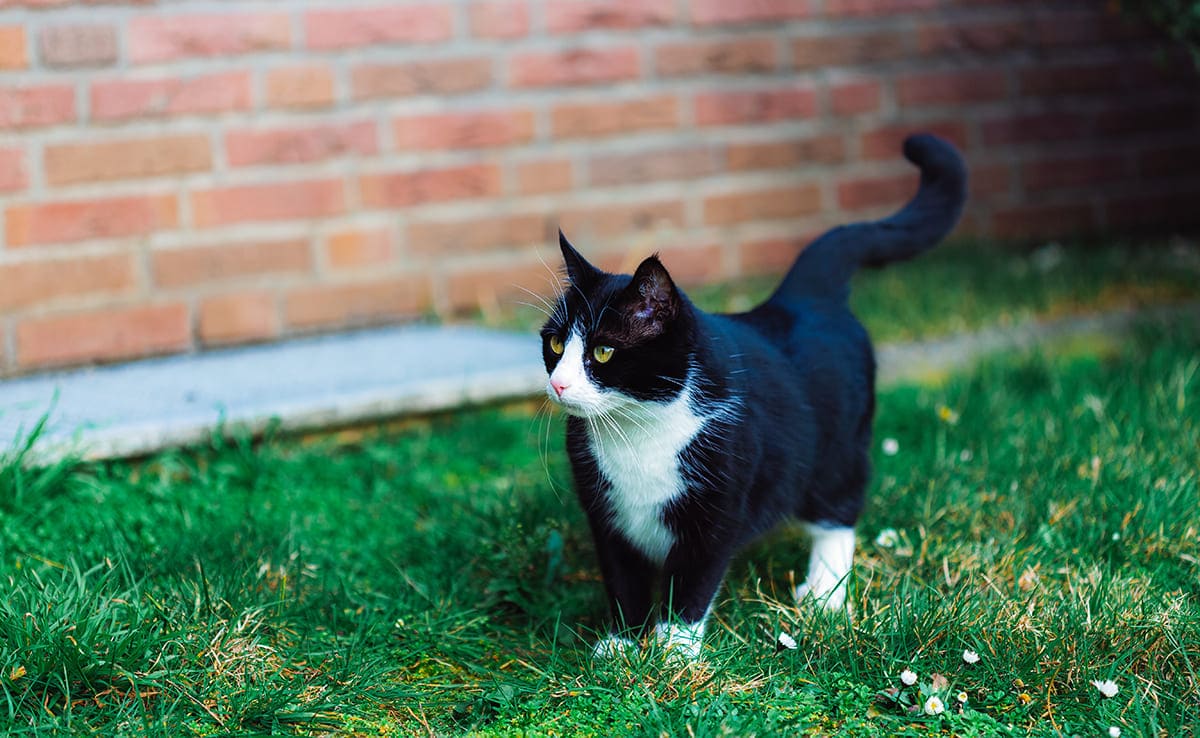
When you think of cats, you might picture them lounging around, eating, and napping all day. But beneath that relaxed exterior lies a complex system of territorial behavior. Cats are natural-born rulers of their domain, and their territory can be surprisingly vast—whether they’re in the wild or in your living room. So, just how much space does a cat’s territory need, and what exactly does it consist of? Let’s explore.
He thought he was rescuing a sheep—but it turned out to be something else
This bizarre French customer habit is driving shop owners crazy
How Big Is a Cat’s Territory?
In the wild, a cat’s territory can span several miles, especially when it’s looking for food or a place to rest. However, domestic cats tend to stay closer to home. Most house cats don’t roam much farther than 50 to 500 meters from their home base. Sounds small, right? But in some cases, their territory can cover as much as 8,000 square meters, depending on how many obstacles or rival cats are around.
A male cat, particularly one that hasn’t been neutered, might travel much further in search of a mate—sometimes covering miles, despite the fact that a nice bowl of kibble awaits at home. Interestingly, a male cat’s territory will usually be larger than that of a female, although sterilization can help reduce the area they feel the need to defend.
While the average cat may stick to a 350-meter daily patrol, some adventurous felines are real athletes, covering distances of up to 10 kilometers in a single day. It all depends on their personality and, of course, the allure of prey or a good nap spot.
Do Cats Defend Their Territory Indoors?
If your cat is an indoor-only pet, they won’t have to defend their territory against the dangers of the outside world, but that doesn’t mean they won’t stake a claim on certain spots in the house. Cats often set boundaries within your home, especially if they share the space with other cats. They’ll mark their favorite spots—be it the windowsill, a sunny spot on the couch, or their bed—as their domain.
In fact, some indoor cats can become anxious or even aggressive if they see other cats through the window or encounter them in the yard. Behavioral issues can arise when cats are confined indoors and can’t roam freely. Cats with adventurous spirits are often less suited to indoor-only lives because they have an innate drive to explore. Still, no matter the living situation, your cat’s territory, whether inside or outside, is divided into several distinct areas.
A Cat’s Territory Is Organized, Just Like Its Home
Cats are creatures of habit and organization. If you’ve ever watched your cat carefully select the perfect resting spot, you know that they’re meticulous about their environment. In the wild, cats will divide their territory into specific zones based on their needs. Similarly, inside your home, your cat will carve out their own space for different activities. These include:
- Resting areas: Cats need quiet, safe spots where they can sleep without disturbance.
- Eating areas: Cats are territorial about food, so they will often establish a specific area where they feel comfortable eating.
- Litter box zones: As much as we’d love for cats to be tidy little creatures, they do have a very particular way of using the litter box. It’s part of their territorial routine.
- Play and hunt zones: Even if they’re not hunting in the wild, cats will often choose areas in your home to practice their predatory skills, like stalking toys or pouncing on moving shadows.
One interesting feature of a cat’s territory is the overlap zone—an area where they’re okay with encountering other cats. This could be a shared hunting ground in the wild, or in a domestic setting, it might be the living room, where your cat can spend time with another cat without feeling threatened. Think of it as a “neutral” ground.
A Cat’s Territory Isn’t Always a Perfect Circle
While we often think of territories as neat, circular areas, that’s rarely the case with cats. Instead, a cat’s territory might be a series of zig-zagging lines, with certain areas extended further than others. For example, your cat might avoid an area near a neighbor’s aggressive dog or skip a spot that’s too close to a busy road. On the other hand, they might spend more time in areas where food is plentiful or where other cats might drop by to leave scent markers. Cats, after all, are very much about scent and smell when it comes to defining their territory.
Protecting the Territory: Cats Are Territorial Creatures
Even if your cat is indoors, their territorial instincts remain strong. They will mark their area frequently using their scent glands located around their face, paws, and tail. By rubbing their face against furniture, scratching the walls, or even leaving a little “gift” of urine, they’re saying, “This is mine.”
When your cat feels the presence of another feline intruder—whether it’s in the neighborhood or in your home—they can become quite territorial. Expect to hear some hissing, growling, and see a fur puffed up in defense. If the intruder doesn’t back off, a fight may break out, as your cat will fiercely defend its claim.
In multi-cat households, it’s crucial to establish clear zones of rest, feeding, and litter box spaces to avoid territorial squabbles. A little preparation can make a big difference in keeping the peace.
Can Cats Easily Adapt to a New Territory?
Cats are creatures of habit, and moving them to a new territory can be quite stressful. Whether it’s moving to a new house, being adopted, or suddenly becoming an indoor cat, changes to their environment can cause anxiety. A cat attached to its outdoor territory may struggle with the transition, and stress can lead to behavioral issues.
To ease the process of relocation, it’s helpful to keep your cat’s familiar items—their favorite bed, toys, and scratching post—close by during the move. If you can, let your cat get used to their new surroundings gradually. It’s especially important to give them time to adjust if they’re used to roaming outdoors.
Creating a quiet, secure space for your cat in the new home, and introducing them to their new territory at their own pace, will help them feel more comfortable. After a few weeks, most cats will have settled in and begun to mark the new space as their own.
Final Thoughts on Your Cat’s Territory
Whether your cat’s realm is a cozy corner in your living room or a sprawling yard, understanding the importance of their territorial instincts can help you better appreciate your furry friend’s behavior. After all, a cat’s territory is not just about physical space—it’s about comfort, safety, and control. So, the next time your cat marks its favorite spots or claims the sunniest spot in the house, know that it’s doing what cats do best: asserting its dominance in the most charming way possible.
Similar Posts
- 10 Tips to Help Your Cat Adjust to Indoor Living
- Why Does My Cat Sleep in Such Strange Places ?
- Why Does My Cat Hate Closed Doors? The Mystery Explained
- How many miles can a lost cat travel to find its owner?
- 9 Simple Tips to Soothe Your Anxious Cat

Felix Marlowe manages Belles and Gals’ vibrant social media platforms. With expertise in social engagement and viral marketing, Felix creates content that sparks conversation and keeps followers coming back for more. From celebrity news to trending challenges, Felix makes sure our social media stays at the forefront of pop culture.


