
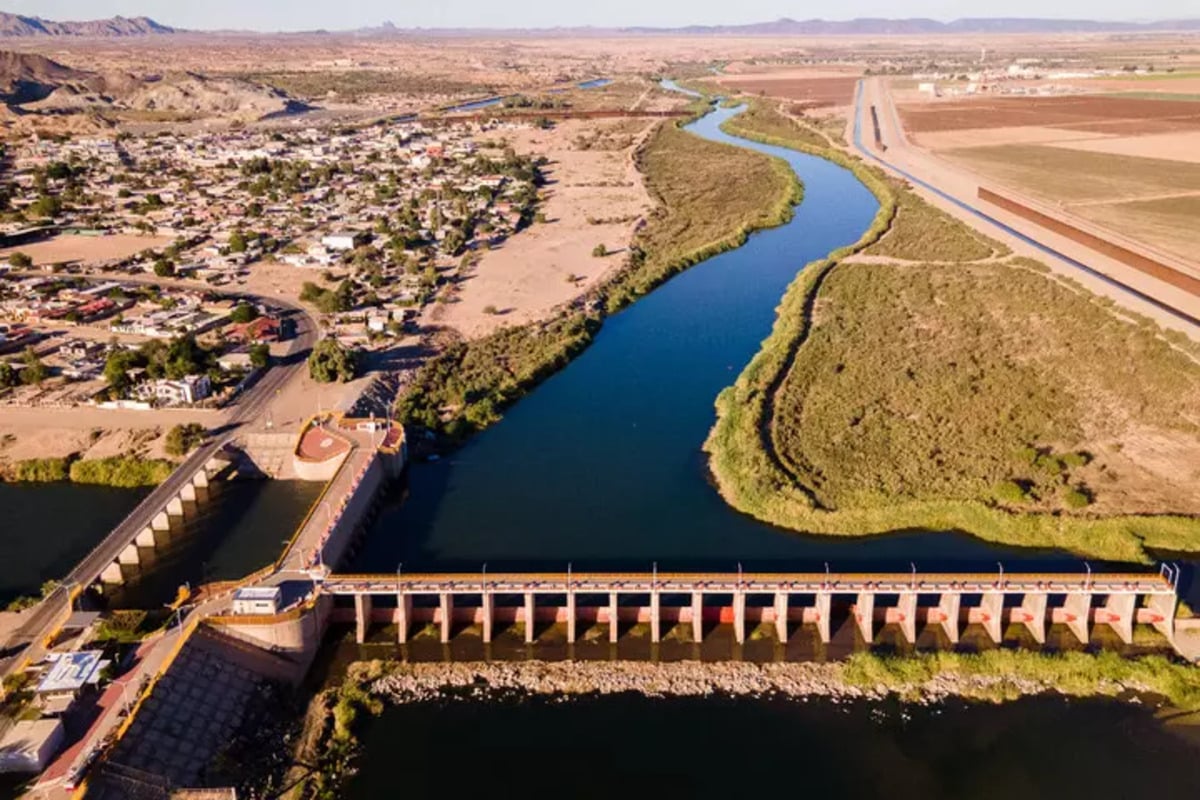
For decades, the Colorado River, once a lifeline for millions, seemed like little more than a distant memory. Its waters, sucked dry by intense agriculture and urban sprawl, barely trickled through its bed. Yet, today, something remarkable is happening. The river is slowly but surely coming back to life. And it’s not just the water that’s returning—the wildlife and natural ecosystems are making a comeback, too.
He thought he was rescuing a sheep—but it turned out to be something else
This bizarre French customer habit is driving shop owners crazy
The Colorado River: A Dry Riverbed Transformed
It was only ten years ago that the Colorado River seemed to have run its course in Mexico. In its place was a barren expanse of cracked salt flats, overtaken by invasive shrubs. The once-thriving ecosystem, which relied on the river’s flow, had almost completely disappeared. Fast forward to today, and over 540 hectares of native trees have been planted across the river’s delta, reviving life to an area that was once a desolate wasteland.
In a particularly special spot, known as El Chausse, a wetland landscape in the heart of the desert has begun to regenerate. Here, irrigation channels slowly guide the water across the land, nurturing poplars, willows, mesquite, and palo verde—native trees that are well-adapted to the harsh desert climate. These trees don’t require much water but play an essential role in stabilizing the soil, capturing carbon, and helping restore the ecological balance.
Gabriela Caloca, a local project coordinator with the Revive el Río Colorado alliance, shared that these trees are part of a much larger ecological corridor that now supports migrating birds and endangered species. “We’re not just planting trees, we’re giving the wildlife a place to thrive again,” Caloca said. It’s not just trees—this restoration is providing a safe haven for birds to rest during their migratory journey.
The Birds Are Back: A Testament to the River’s Revival
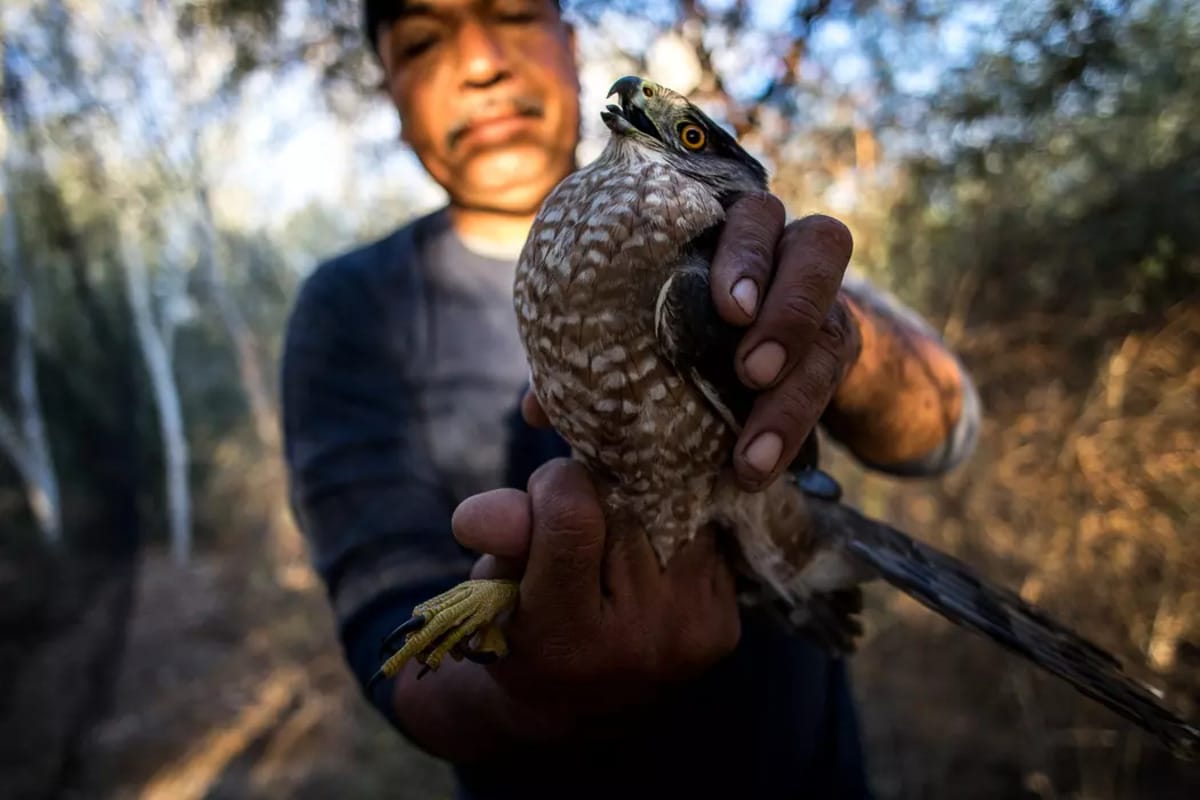
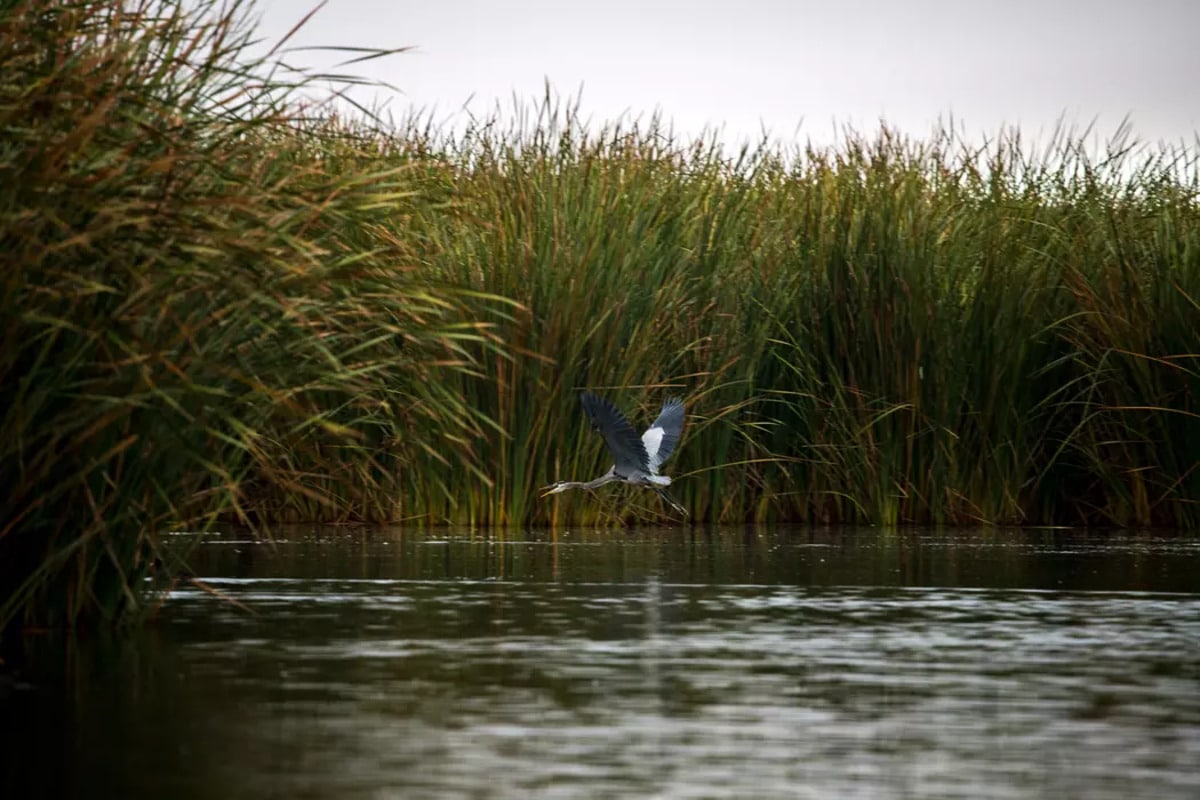
South of the river, in one of the last remaining wetlands of the Colorado River, a remarkable sight is unfolding: endemic bird species are returning. The California clapper rail, once on the brink of extinction, is once again making its home in the area. So is the Alaska sanderling, a small shorebird. The return of these species is not just a win for birdwatchers; it signals a resurgence in the overall health of the ecosystem. “The insect population is rising too, which means the entire food chain is bouncing back,” explained Stefanny Villagomez, a biologist working with the Revive el Río Colorado project.
This revitalization has far-reaching impacts. The northern part of Mexico is a key stop for migrating birds along the Pacific Flyway. With the restoration of wetlands, over 360,000 migratory birds now stop by each year, and the bird population in these newly restored areas has increased by 85%. This success is a clear reminder of nature’s resilience when given the chance to heal.
A River Desperately Thirsty: The Strain of Intensive Agriculture and Urban Sprawl
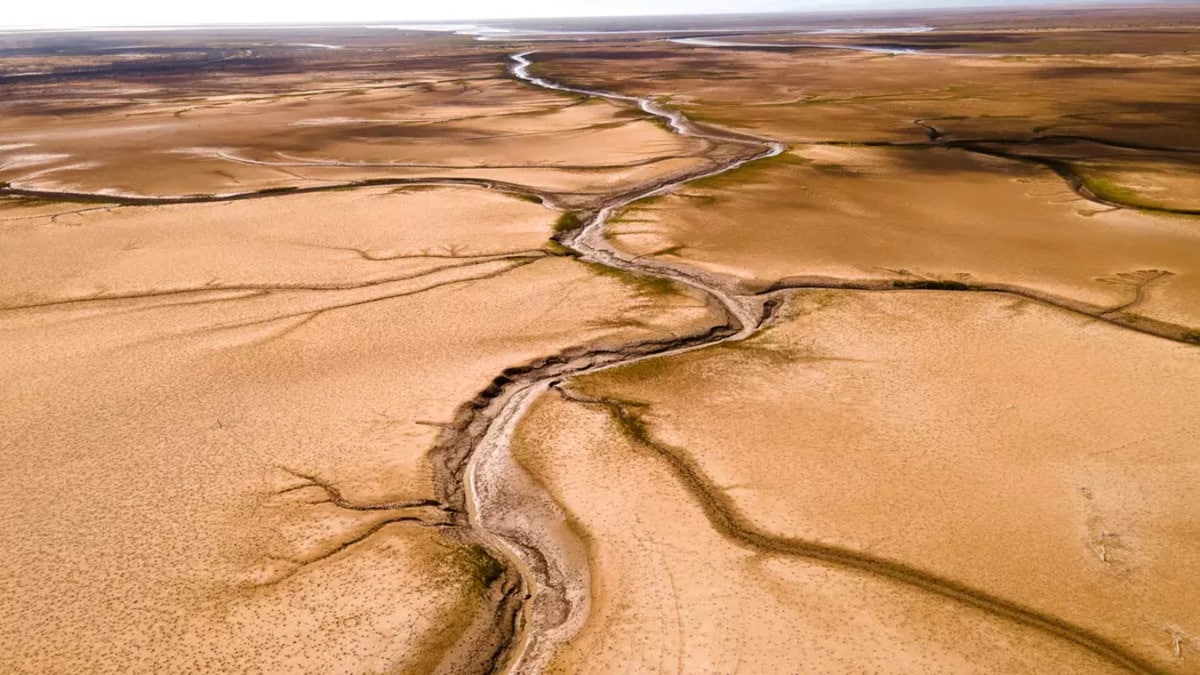
The story of the Colorado River’s decline is both tragic and deeply tied to human activity. Between the 1960s and 1980s, the river’s flow was virtually halted in Mexico. For over two decades, the Colorado River’s waters were diverted for agricultural use, mainly for crops like alfalfa, which feeds livestock across the globe. Meanwhile, large urban areas in the U.S., such as Phoenix, Las Vegas, and Los Angeles, siphoned off water to irrigate golf courses, lawns, and other urban developments.
An investigation by PBS revealed that 52% of the Colorado’s water was used for alfalfa farming alone, illustrating just how deeply agricultural needs have depleted the river. Even the mighty urban sprawl, with its sprawling golf courses and luxury lawns, consumes water that could have flowed back into the river.
In addition to these issues, legal agreements and colonial-era water laws have historically given priority to American states over Mexico, leaving the river with little water to nourish the land below the border.
Turning the Tide: International Cooperation Brings Hope
Despite the challenges, there’s been a glimmer of hope in recent years. A landmark agreement was signed between the United States and Mexico to allow water to flow more freely through the river. This agreement, signed a decade ago, marked a major victory for those working to revive the Colorado.
It was in the spring of 2014 that the first substantial release of water from the Morelos Dam reached Mexico, after this historic agreement. “When the water came, it was a moment of joy for everyone,” recalled Isabella, a resident of San Luis Río Colorado, the first city in Mexico after the border. “For many people here, it was special, because they had never seen the river flow in their lifetime.”
Local Communities Leading the Charge for a Restored River
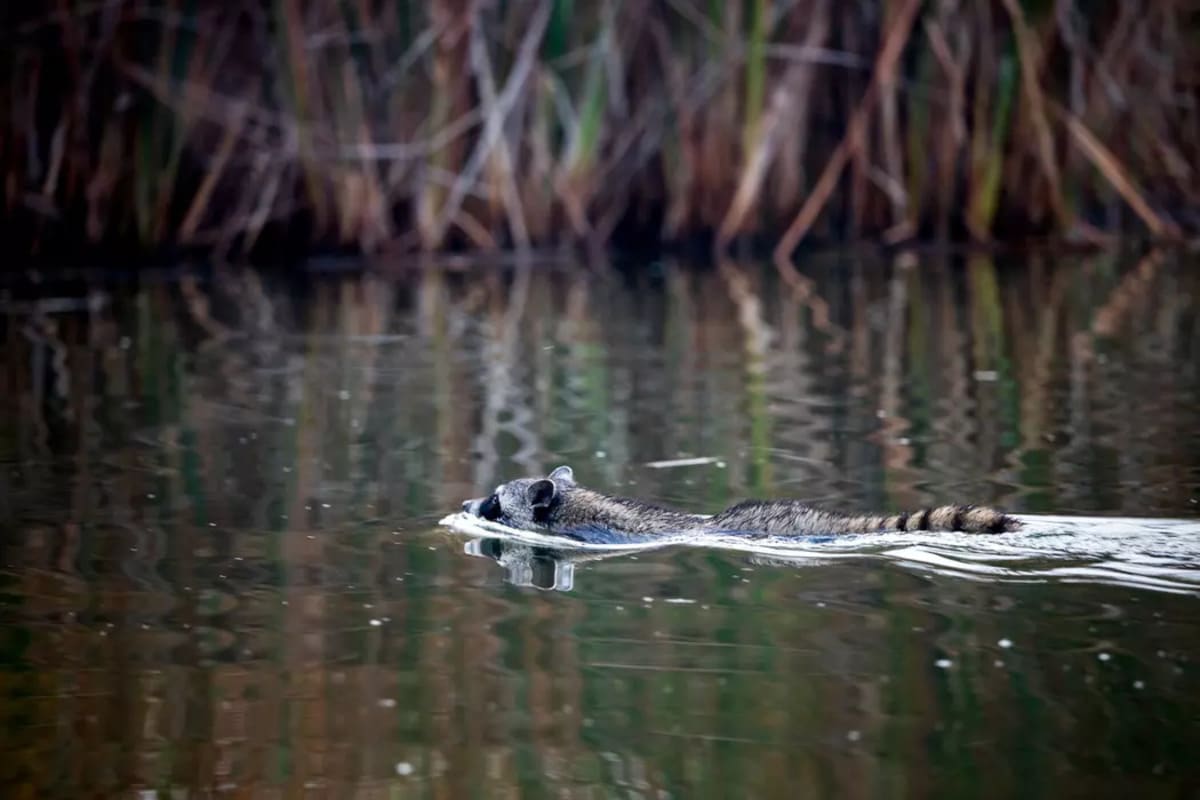
While political agreements have certainly played a role, it is the local communities that are truly leading the charge in restoring the river. More than 3,500 volunteers have worked tirelessly over the past six years to remove invasive species from the riverbed and replant native trees. Their efforts have contributed to the success of this massive ecological restoration project.
Gabriela Caloca, who works directly with these communities, notes the transformation with pride. “Many people tell me they’ve never seen water in the river before, and now they bring their children to enjoy the nature around them.” These reforestation efforts have created hundreds of local jobs and are helping communities reconnect with their land, fostering a renewed sense of hope and resilience.
As Stefanny Villagomez points out, the restoration of the river is a testament to the power of nature’s recovery when given the right resources. “Nature has an incredible ability to bounce back quickly,” she said. “And this is proof that it’s still possible to work together—citizens, scientists, and governments—to make a difference.”
Moving Forward: The Future of the Colorado River
Though the revitalization of the Colorado River is far from complete, there’s a growing sense of optimism. Over 200 hectares of native trees are still to be planted, and local communities continue to monitor the success of the restoration projects. The river, once a dry, cracked bed, is slowly becoming a vibrant ecosystem again.
As the project moves forward, there’s a clear lesson to be learned: even the most depleted ecosystems can recover when people, governments, and organizations unite for a common cause. The Colorado River’s resurgence is a hopeful reminder that all is not lost, and with determination and cooperation, a brighter future can be secured for both people and wildlife.
Similar Posts
- Six Enormous and Rare Giant Catfish Appear in Cambodia’s Waters
- Viral photo of 100 baby crocodiles riding their dad stuns the world
- Photo of 100 baby crocodiles riding on their father’s back captures hearts worldwide
- The Viral Photo of 100 Baby Crocodiles Riding on Their Father’s Back Has Captivated the World
- Former ‘Ellen’ Star Sophia Grace Welcomes Second Child at 21

Felix Marlowe manages Belles and Gals’ vibrant social media platforms. With expertise in social engagement and viral marketing, Felix creates content that sparks conversation and keeps followers coming back for more. From celebrity news to trending challenges, Felix makes sure our social media stays at the forefront of pop culture.


