
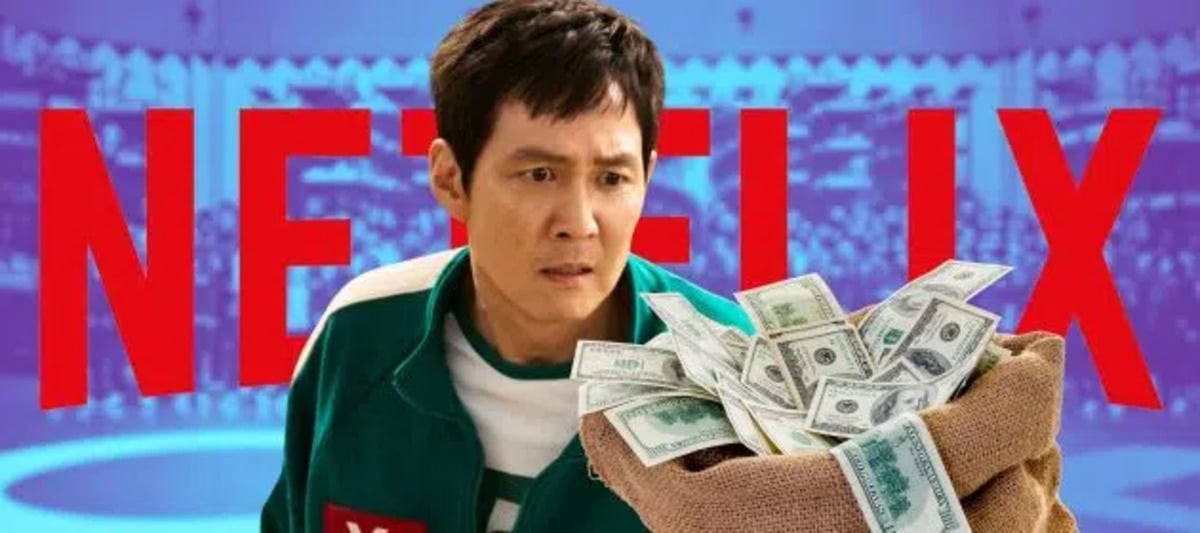
Netflix has made headlines once again, not only for reaching a new subscriber milestone but also for implementing another round of price hikes. In a highly competitive streaming landscape, where platforms like Disney+, HBO Max, and Paramount+ are all vying for viewers’ attention, Netflix has managed to solidify its position as the undisputed leader. But this growth comes at a time when inflation and rising costs are weighing heavily on consumers’ budgets, making the company’s latest pricing decision a notable one.
He thought he was rescuing a sheep—but it turned out to be something else
This bizarre French customer habit is driving shop owners crazy
Netflix Leads the Streaming Wars

Netflix’s success continues to be powered by a combination of captivating content and expanding global reach. In the final quarter of 2024, the platform welcomed an impressive 19 million new subscribers, bringing its total subscriber count to a staggering 301.6 million. This surge can be attributed in part to the second season of the wildly popular show Squid Game, as well as a record-breaking boxing match between Mike Tyson and Jake Paul, which became the most-watched streaming event of the year.
For comparison, the major streaming competitors lag behind: Amazon Prime Video has over 200 million subscribers, Disney+ has 158.6 million, and HBO Max, Paramount+, and Apple TV+ follow with 100 million, 72 million, and 25 million, respectively. Despite these impressive figures, Netflix remains firmly at the top of the streaming game, capturing the lion’s share of global audiences.
Price Hikes Follow Record Growth

However, Netflix’s success is paired with a significant shift for subscribers: price increases. As of January 21, 2025, the platform raised its subscription rates in the United States. The Standard plan, which is ad-free, has jumped from $15.49 to $17.99 per month. Meanwhile, the Premium plan, also ad-free, saw its price increase from $22.99 to $24.99 per month. Even the ad-supported plan, which was previously priced at $6.99, saw its first-ever price increase, rising to $7.99.
This price adjustment reflects a broader trend in the streaming industry, with other platforms like HBO Max, Paramount+, and Disney+ also raising their prices in recent months. These increases are likely to continue in the future, as companies strive to balance growing content costs with consumer demand.
While this change currently only affects U.S. subscribers, Netflix’s international markets—such as France—could see similar adjustments in the coming months. Historically, Netflix has followed its U.S. pricing strategies with changes in other regions, meaning subscribers abroad should be prepared for potential price hikes as well.
Financial Expectations for 2025

Despite these price increases, Netflix is optimistic about its future. The company projects record revenues for 2025, estimating between $43.5 billion and $44.5 billion, with an operating margin of 29%. This is a significant leap from the $33.7 billion in revenue reported for 2023. Netflix’s confidence in its ability to continue growing, even in a saturated market, reflects its strong brand, loyal subscriber base, and continuous investment in content.
Furthermore, Netflix has made a strategic shift away from reporting subscriber growth on a quarterly basis. Instead, the company plans to focus on financial metrics such as revenue and profits. This move marks a deeper transformation in Netflix’s strategy, signaling that the company is prioritizing profitability over sheer subscriber growth.
Betting on Advertising Revenue

As part of its strategy to bolster its revenue, Netflix is also placing a significant emphasis on advertising. According to Mike Proulx, a research director at Forrester, Netflix is poised to expand its advertising partnerships, targeting users with more tailored ads and offering a wider range of formats. “In 2025, there will be more choices in terms of ad formats, partnerships, and technical options for targeting Netflix users,” Proulx explained.
Looking ahead, Netflix will rely on its highly anticipated content to continue driving subscriptions. Fans can look forward to the final season of Stranger Things, the third season of Squid Game, and the second season of Wednesday, all of which are expected to perform well in 2025. Additionally, Netflix is testing the waters in cinema with Greta Gerwig’s Narnia adaptation, slated for release in Thanksgiving 2026 before arriving on the streaming platform for Christmas that same year. If successful, this could lead to more Netflix films hitting theaters, expanding the company’s reach even further.

Conclusion: A Bold Move in a Crowded Market
As Netflix continues to grow and break records, its price hikes serve as a reminder of the competitive nature of the streaming market. With 301.6 million subscribers and a vast catalog of hit shows and movies, Netflix is at the forefront of the industry. However, as costs rise, both for production and subscriptions, consumers may start to feel the pressure.
Despite this, Netflix seems confident in its ability to maintain growth and profitability by diversifying its revenue streams and leaning into advertising. As more platforms vie for the same audience, it remains to be seen how the market will respond to these price increases in the coming months and years. Will consumers continue to flock to Netflix, or will they turn to cheaper alternatives? Only time will tell.
Similar Posts
- Netflix pulls the plug on another series after season 2 hits record low
- Star Wars: Disney Reveals the Record-Breaking Budget for the Andor Series
- This cult fantasy series rated 91% finally returns to Netflix in 2025 after a 3-year wait
- Watch NCIS Online: Stream All Episodes of the Hit CBS Show Now!
- Golden Globes 2025 Afterparties Exposed: See How Stars Celebrated!

Felix Marlowe manages Belles and Gals’ vibrant social media platforms. With expertise in social engagement and viral marketing, Felix creates content that sparks conversation and keeps followers coming back for more. From celebrity news to trending challenges, Felix makes sure our social media stays at the forefront of pop culture.


