He thought he was rescuing a sheep—but it turned out to be something else
This bizarre French customer habit is driving shop owners crazy
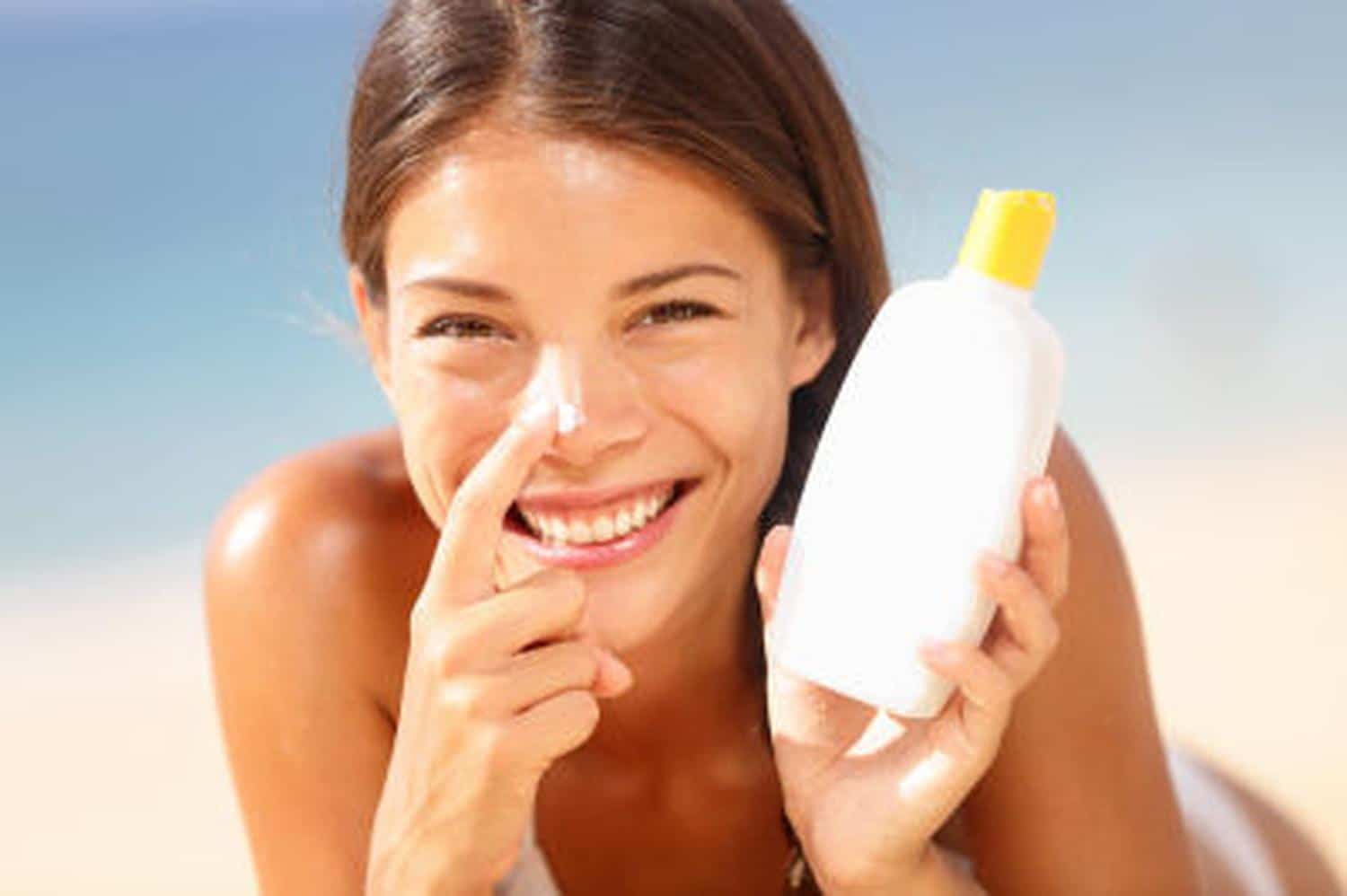
During the summer, our skin often endures a lot. Despite using sunscreen, it’s not uncommon to end up with a sunburn. Explore all the advice from dermatologist Ludovic Rousseau on how to care for your skin after being in the sun.
What steps should you take to care for your skin after sun exposure?
When your skin is exposed to the sun, harmful free radicals and genetic mutations can occur within the skin cells. Thankfully, skin cells have a DNA repair system. However, it’s crucial not to exceed the skin’s repair capabilities by ignoring standard photoprotection advice. The market offers “after-sun” creams containing antiradical substances (vitamins A, C, E, F, plant extracts, etc.), which are meant to minimize the damage caused by the sun to the cells. These creams also contain anti-inflammatory substances to reduce inflammation. Moreover, like all moisturizing treatments, these creams play a role in hydrating and replenishing the skin. The first step after sun exposure, therefore, is to “nourish” the stressed skin with such products. Additionally, avoid further irritating the skin during cleansing by using harsh soaps or hot water.
What should you do in case of a sunburn?
A sunburn is essentially a skin burn caused by the sun. Ideally, you should never experience a sunburn because the burn and the genetic mutations it causes to the skin cells are irreversible. Moreover, skin cancer is often a result of a series of genetic mutations in skin cells. Therefore, it’s crucial to avoid situations that could lead to a sunburn: exposure during peak sun hours from 12 PM to 4 PM in the summer, not wearing protective clothing, or failing to apply sunscreen with an SPF of 30 or higher. When damage has occurred and a sunburn appears, first assess its severity: does it affect a child, an already weakened adult (due to illness, fatigue, etc.), or an elderly person? Does it cover a large area of the body or just a limited zone? Is there significant swelling of the skin? Are there symptoms of fever or general discomfort? In such cases, it is imperative to consult a doctor urgently to treat the sunburn appropriately. If the sunburn affects a healthy adult and is limited in area and intensity (simple redness), first, avoid further sun exposure until the skin has completely healed, for at least two reasons: firstly, this allows the skin to repair itself without further solar aggression, and secondly, it reduces the risk of developing sun spots. Then, cool the skin using damp cloths and apply moisturizing cream several times a day to help the skin renew its dead cells and rebuild its protective barrier.
How can you take care of your tan and make it last?
Tanning is a defense mechanism of the skin. It involves the coloring of the skin’s most superficial part. However, this layer renews itself and the superficial layers are gradually shed through the process of desquamation. To slow the fading of your tan, you should therefore limit this natural elimination of the superficial skin layers. During and after your vacation, avoid activities that accelerate the shedding of superficial cells, such as using a loofah or exfoliating products.
Regularly moisturize your skin with a moisturizing cream, as this will strengthen the adhesion of the superficial cells. Finally, avoid trying to tan too quickly as this can cause significant damage to the skin layers and faster renewal (leading to peeling), which results in a quicker loss of your tan. A gradual and slow tan respects your skin more and will last longer.
Similar Posts
- Sunscreen Showdown: Oil, Cream, or Spray – Which Should You Choose?
- Get a Quick Tan: Top Tips for Faster Bronzing!
- Boost Your Confidence: Essential Tips for Small Breast Care!
- When Can You Safely Apply Sunscreen to Babies? Find Out Now!
- Summer Skin Alert: Common Post-Beach Habit Damaging Your Skin Unknowingly!

Ellis McDowell is a trend analyst with a sharp eye for spotting the next big thing in entertainment. With years of experience in digital media and trend forecasting, Nora tracks the movements of influencers, viral content, and entertainment trends. Her insights help shape the stories that captivate our audience.