NASA issues chilling warning: life on Earth won’t be possible after this date
This bizarre French customer habit is driving shop owners crazy
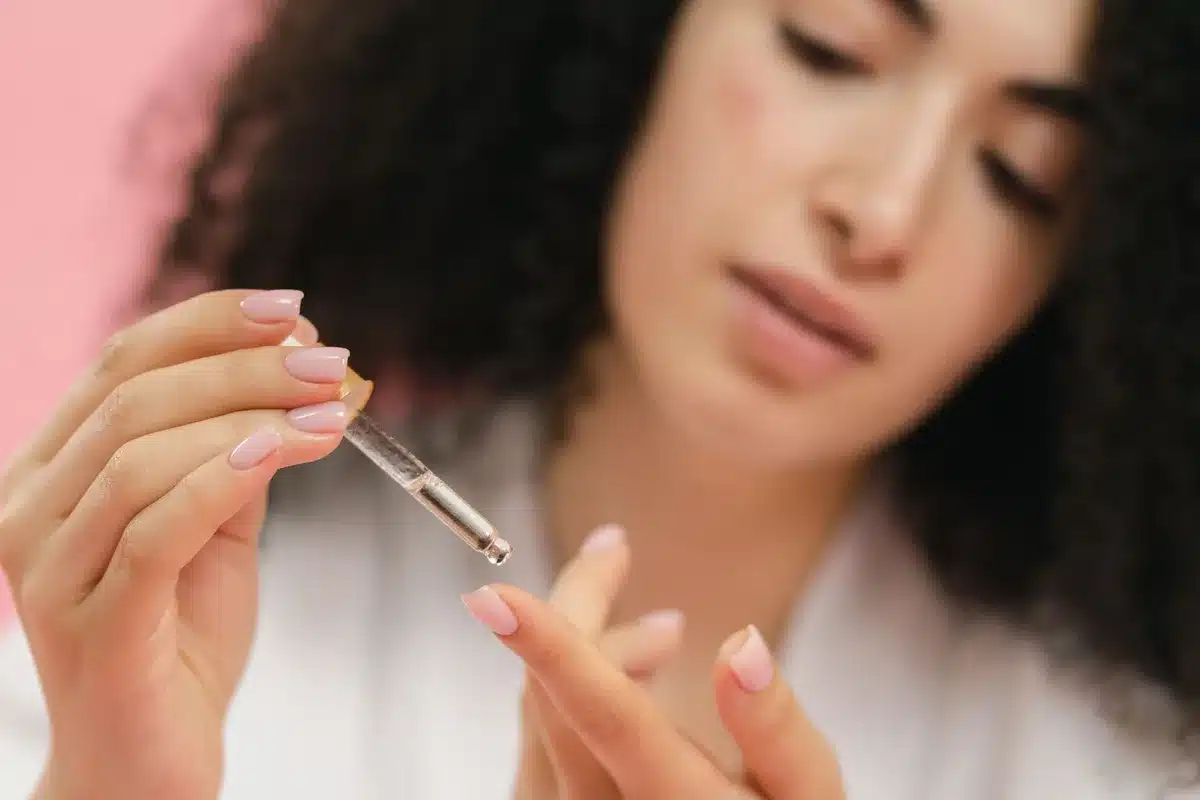
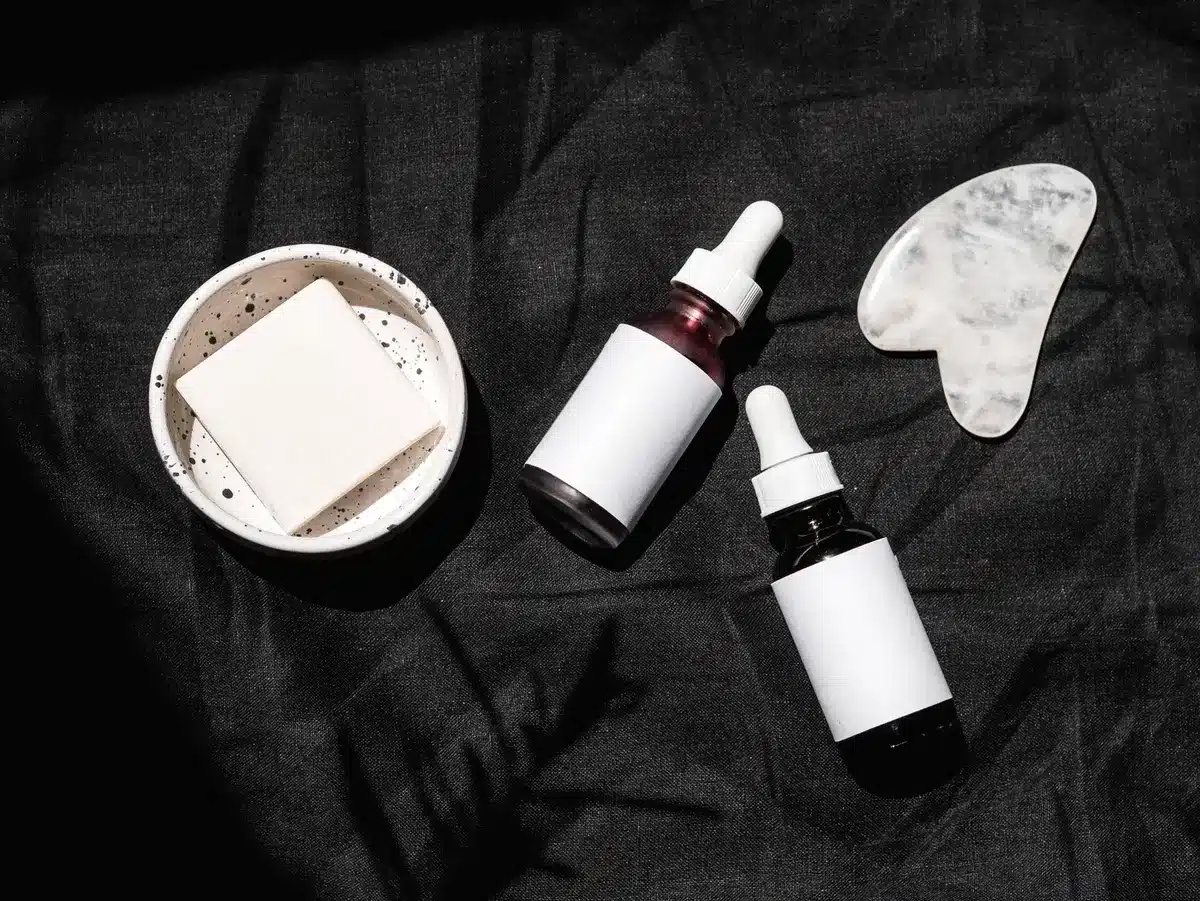
On the shelves, the claims may look similar, but behind the labels, there’s one detail that truly indicates whether a hair loss product is effective.
From serums and lotions to supplements, the range of products available to combat hair loss is broader than ever. However, amidst this variety, one question persists: why do some products seem to work while others fail? The answer lies not in the packaging or the price, but in what these products really contain—and what science has to say about them.
First, it’s important to realize that there is no one-size-fits-all solution for hair loss. The causes vary widely, from hormonal and genetic factors to stress and nutritional deficiencies, and each case requires a tailored approach. This is why a product that works wonders for one person might do nothing for another. Experts emphasize the importance of identifying the cause of hair loss before choosing a treatment. In other words, random purchases are unlikely to yield positive results. In this context, some ingredients are backed by robust studies, while others rely more on assumed benefits or marketing claims.

Additionally, the issue of price often confuses consumers. Many people automatically equate a higher-priced product with better effectiveness, which isn’t always the case. In the realm of hair care treatments, two different products might show similar results if they contain the same active ingredient in the same concentration. However, if one were to pinpoint an ingredient consistently recommended by specialists, one stands out. “In terms of hair growth products, the clinically proven key ingredient to look for is topical minoxidil,” stated Sophia Emmanuel, a trichologist.
This active ingredient, approved by the FDA, has been used for years to treat certain types of hair loss, including male pattern baldness. Its mechanism of action is well-documented: it increases blood flow to the hair follicles, extends the growth phase, and may even reverse the miniaturization of follicles. Practically, this means denser hair regrowth for some users, provided it’s used regularly and correctly.

However, this doesn’t mean that this ingredient is suitable for everyone or that it guarantees results in every case. Like any treatment, it can cause side effects and sometimes requires medical advice before use. It belongs to a class of drugs known as vasodilators, which explains how it works but also necessitates certain precautions. Other active ingredients exist and can be part of a hair care routine, but none have amassed as much solid clinical evidence to date.
Similar Posts
- Science-Backed Secret! Discover Grandma’s Best Hair Growth Remedy
- New hair-growth technique promises thicker hair in just 3 sessions
- Hair Transplant Surgeon Exposes True Barriers to Hair Growth
- Discover the Natural Product That Blurs Complexion and Sets Makeup All Day!
- Revolutionary Hair Growth Technique: Get Lusher, Thicker Hair in Just 3 Sessions!

Ellis McDowell is a trend analyst with a sharp eye for spotting the next big thing in entertainment. With years of experience in digital media and trend forecasting, Nora tracks the movements of influencers, viral content, and entertainment trends. Her insights help shape the stories that captivate our audience.