He thought he was rescuing a sheep—but it turned out to be something else
This bizarre French customer habit is driving shop owners crazy
The puff pastry used in many bakeries often incorporates a low-quality ingredient that most people are unaware of.
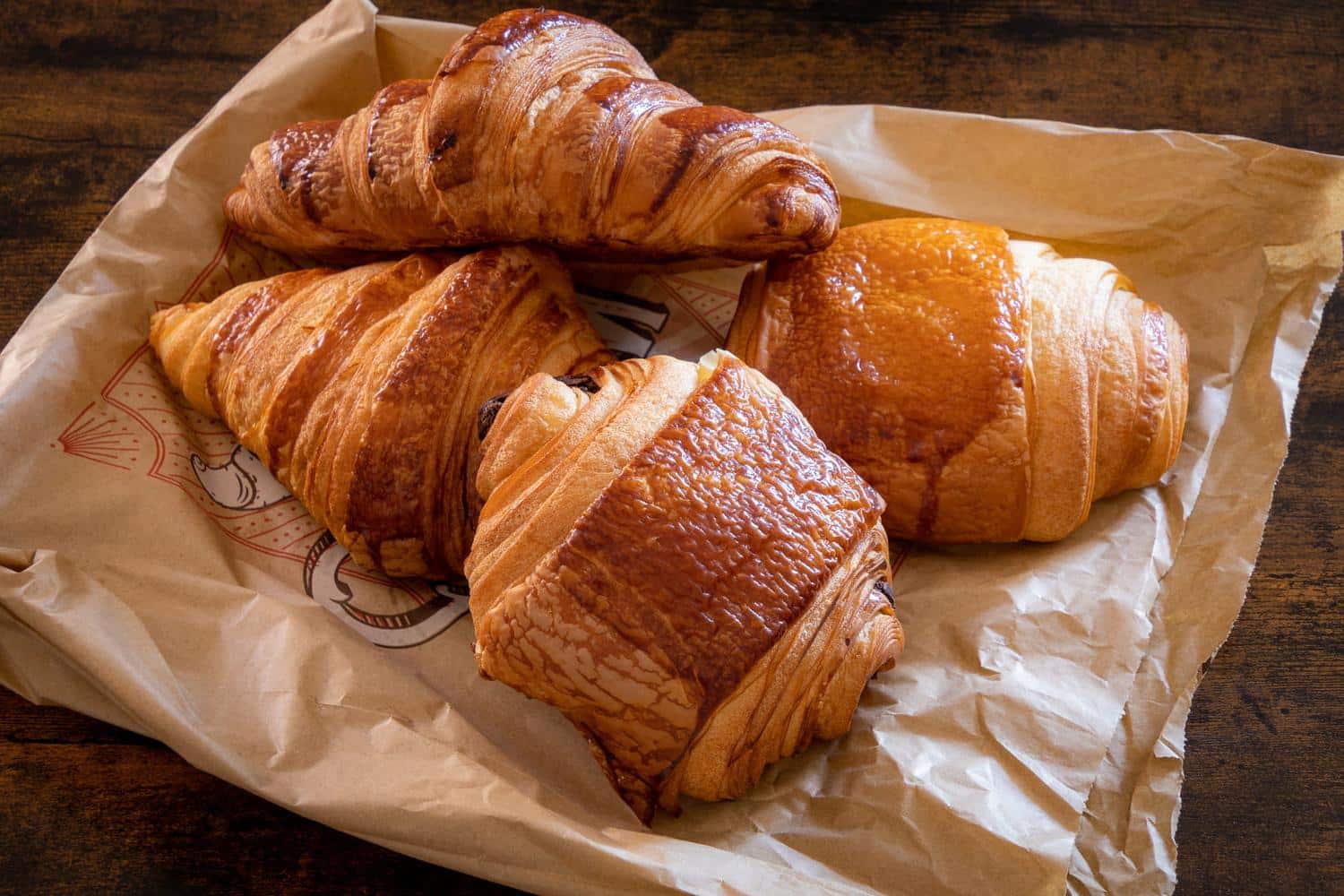
Your Sunday morning treat? Lazing in bed with a book before heading out to grab a fresh, delicious croissant from the local bakery. As you peer through the display glass, your favorite pastry beckons with its golden, flaky layers making your mouth water… Meanwhile, the standard croissants seem less appealing. What you relish is the rich, buttery flavor of the puff pastry. You don’t mind paying an extra 10 or 20 cents for a pure butter croissant. Even with a price hike, indulging yourself occasionally is a must. Once you hit the street, you eagerly start eating it. The pastry is consumed so quickly that you wish you had bought another.
But do you really know what goes into that flaky pastry? In a report by Le Parisien, Matthieu Bijou, a baker and pastry chef, sounds the alarm. In many bakeries, the puff pastry used in their pastries is made from “adulterated butter”! Since the onset of inflation, the cost of raw materials has skyrocketed. As a result, some bakers have turned to industrial alternatives to remain profitable. Sold by brands like Puratos under the name Mimetic, Vandemoortele under the name St-Allery, and Corman, this fake butter is actually a very low-quality substitute. This “composed fat” manages to deceive us because it contains a very small amount of real butter!
How much does this product cost? About 7 euros per kilogram, compared to 12.60 euros for real butter and 4 euros for margarine. What’s in it? The ingredients are quite unappetizing. The fake butter largely consists of vegetable oils (sunflower and palm) and water. Throw in a mix of additives and colorants, and you’ve got the recipe for this substitute sold to professional bakers and pastry chefs. Often, a bit of butter is added to the mix, as is the case with St Allery Premium, which contains 25% butter—a quantity enough to fool our taste buds.
For Matthieu Bijou, this widespread practice is driven by the rising cost of butter in recent years. “It’s expensive considering that 5 or 10 years ago we paid the price of Saint Allery for it,” he laments. When questioned on hidden camera, some bakers admit to using it without informing their customers. The trouble is, these croissants are hard to distinguish because they look just as golden as the butter ones. This is due to two factors: firstly, the addition of yellow coloring to the fat mixture, and secondly, because bakers then brush the pastries with egg yolk before baking them.
Thanks to these tricks, “you won’t be able to tell the difference,” the craftsman observes. However, there is still a way to ensure that a croissant contains real butter: by asking for the ingredients list at the shop. Additionally, the label “AOP butter” is also a mark of quality. Price is another indicator: nowadays, a genuine butter croissant will rarely cost less than 1.30 euros.
Similar Posts
- 10-Minute Foolproof Homemade Puff Pastry Recipe!
- Easy Chocolate Croissants Even Beginners Can Nail – Super Cheap Recipe!
- Perfect puff pastry in just 10 minutes ? Here’s the no-fail recipe
- Ditch the Croissant: Dietitian Recommends This Low-Calorie Pastry Instead!
- Bakers Outraged by Daily Waste: “Back in the Day, We Didn’t Do This”

Felix Marlowe manages Belles and Gals’ vibrant social media platforms. With expertise in social engagement and viral marketing, Felix creates content that sparks conversation and keeps followers coming back for more. From celebrity news to trending challenges, Felix makes sure our social media stays at the forefront of pop culture.