
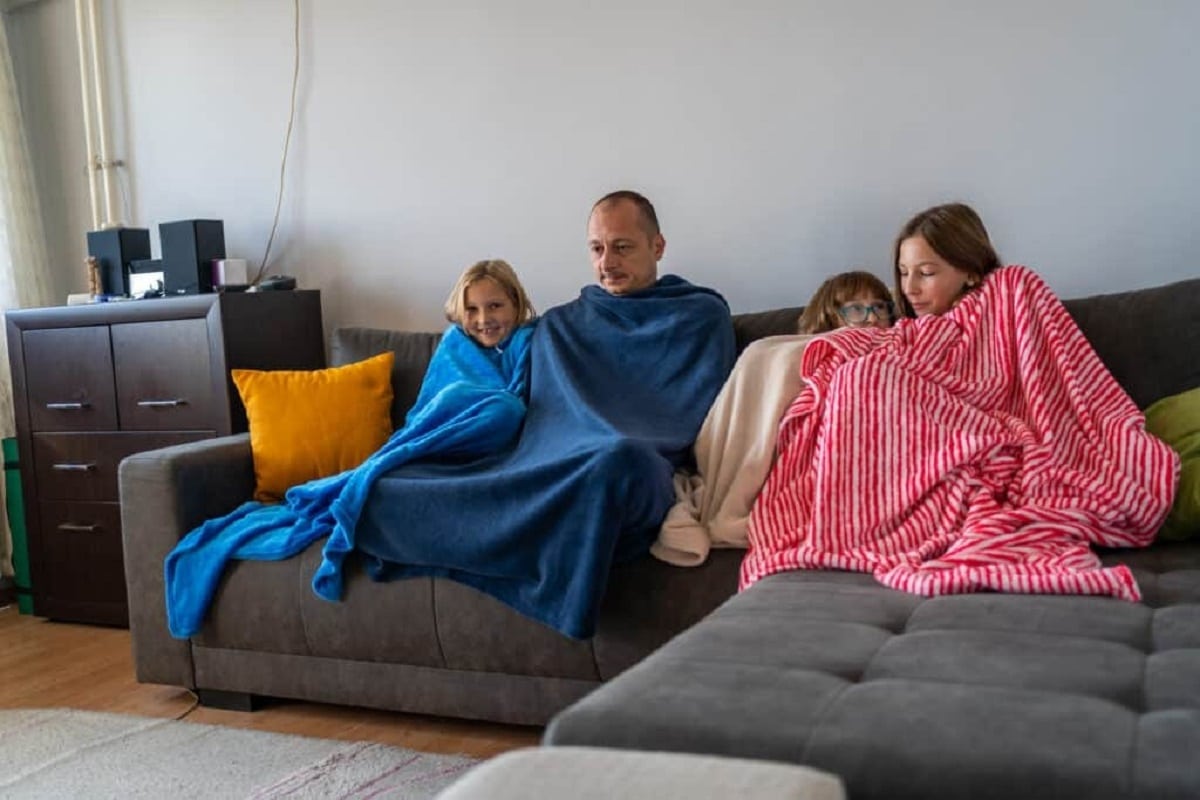
As the temperatures drop, you might start feeling an unwelcome chill emanating from your walls. Not only is this uncomfortable, but it could also signal underlying issues with your home’s thermal insulation, leading to higher energy bills. Fortunately, there are simple, cost-effective solutions to warm up your walls and enhance your home’s thermal comfort without breaking the bank.
He thought he was rescuing a sheep—but it turned out to be something else
This bizarre French customer habit is driving shop owners crazy
Understanding Why Your Walls Are Cold
Cold walls aren’t just a minor inconvenience—they often point to more significant technical problems. Several factors can contribute to chilly walls, including:
Insufficient Insulation
Your walls play a crucial role in retaining heat within your home. When insulation is lacking, the warmth generated by your heating system can quickly escape, making your living spaces feel colder and increasing your energy consumption.
Thermal Bridges
These are gaps or weak points in your wall’s insulation, typically found where walls meet floors or ceilings. Thermal bridges allow heat to escape more easily, exacerbating the feeling of coldness in your home.
Excessive Humidity
Moisture in your walls can make them feel colder to the touch. Humidity acts as a thermal conductor, worsening heat loss and making your home less comfortable.
Understanding these causes is essential for selecting the right solutions to combat cold walls effectively.
Improving Wall Insulation: Effective Tips
Warming up your walls doesn’t always require expensive renovations. Here are some practical and affordable methods to enhance your wall insulation and improve thermal efficiency:
1. Strengthen Interior Insulation
A good insulation is key to keeping heat inside your home. Consider the following options:
- Rigid Insulation Panels: Easy to install, these panels provide an effective thermal barrier while taking up minimal space. They are ideal for smaller rooms where space is a premium.
- Natural Insulating Materials: Cork, wood wool, and hemp fiber are eco-friendly options that boost your walls’ thermal performance while maintaining a healthy living environment.
- Adhesive Cladding: These panels combine insulation with drywall, allowing for quick installation and immediate thermal gains.
For example, a friend of mine renovated her living room by adding cork panels, which not only kept the room warmer but also added a natural aesthetic touch.
2. Reduce Thermal Bridges
Thermal bridges contribute significantly to energy loss. To minimize them:
- Seal Gaps: Use caulking or weatherstripping around windows, electrical outlets, and wall corners to fill in gaps where heat can escape.
- Install Thermal Breaks: Specialized products designed to interrupt the flow of heat through junctions in your walls can effectively reduce thermal bridges.
According to the Energy Saving Trust, addressing thermal bridges can lead to noticeable improvements in your home’s energy efficiency.
3. Boost Air Tightness
Drafts can undermine even the best insulation. To enhance your home’s airtightness:
- Apply Sealing Joints: Doors and windows are common sources of air leaks. Using silicone or foam tape can significantly reduce unwanted drafts.
- Add a Vapor Barrier: Installing a vapor barrier between the insulation and wall coverings prevents air and moisture from penetrating, thereby enhancing thermal performance.
A neighbor of mine installed foam weatherstripping on her doors and noticed an immediate reduction in drafts, making her home much more comfortable during the winter months.
4. Manage Humidity for Drier and Warmer Walls
Excess moisture not only makes walls feel colder but also hampers their insulating properties. To control humidity levels:
- Improve Ventilation: Proper ventilation reduces condensation and moisture buildup. Investing in a mechanical ventilation system (VMC) can be beneficial.
- Address Infiltration Issues: If your walls suffer from rising damp or leaks, it’s crucial to identify and fix these problems to prevent further moisture intrusion.
- Use Waterproof Paints: Applying hydrophobic paints creates a protective layer that repels moisture, keeping your walls dry and warm.
Implementing these measures can significantly enhance your walls’ thermal efficiency and overall comfort.
5. Choose Appropriate Wall Coverings for a Cocooning Effect
Beyond traditional insulation, the choice of wall coverings can impact the warmth and coziness of a room:
- Thermal Paints: These paints contain reflective microbeads that bounce heat back into the room, reducing energy loss.
- Wood or Fabric Wall Coverings: Installing wooden panels or fabric-based wall coverings adds an extra layer of insulation while creating a warm, inviting atmosphere.
- Thick Wallpapers: Wallpapers with fiber or fleece coatings act as lightweight thermal barriers, enhancing wall insulation.
A colleague recently transformed her bedroom by adding thick fabric wallpapers, which not only made the room feel warmer but also added a touch of elegance.
Why Invest in Better Insulated Walls?
Enhancing your wall insulation offers benefits that go beyond mere comfort:
- Improved Thermal Comfort: Well-insulated walls keep your rooms warmer in the winter and cooler in the summer, creating a more comfortable living environment year-round.
- Reduced Energy Bills: By minimizing heat loss, you can lower your heating costs and save money on energy bills.
- Healthy and Sustainable Living: Effective insulation protects your walls from moisture, preventing mold growth and structural damage, thereby promoting a healthier home.
- Increased Property Value: A well-insulated home is more attractive to potential buyers, making it a valuable investment if you plan to sell in the future.
According to the U.S. Department of Energy, investing in proper insulation is one of the most cost-effective ways to improve your home’s energy efficiency and overall value.
Similar Posts
- Why do we still feel chilly at home even with the thermostat set to 20°C? Here’s what truly matters
- Why your home feels cold at 20°C — and what actually makes a difference ?
- Why do we feel cold at home even when the thermostat is set to 20°C? Here’s what really makes the difference
- Why your home feels cold even at 20°C — what really makes the difference ?
- Not suitable for all lands: why building a container home has hidden costs

Felix Marlowe manages Belles and Gals’ vibrant social media platforms. With expertise in social engagement and viral marketing, Felix creates content that sparks conversation and keeps followers coming back for more. From celebrity news to trending challenges, Felix makes sure our social media stays at the forefront of pop culture.


