
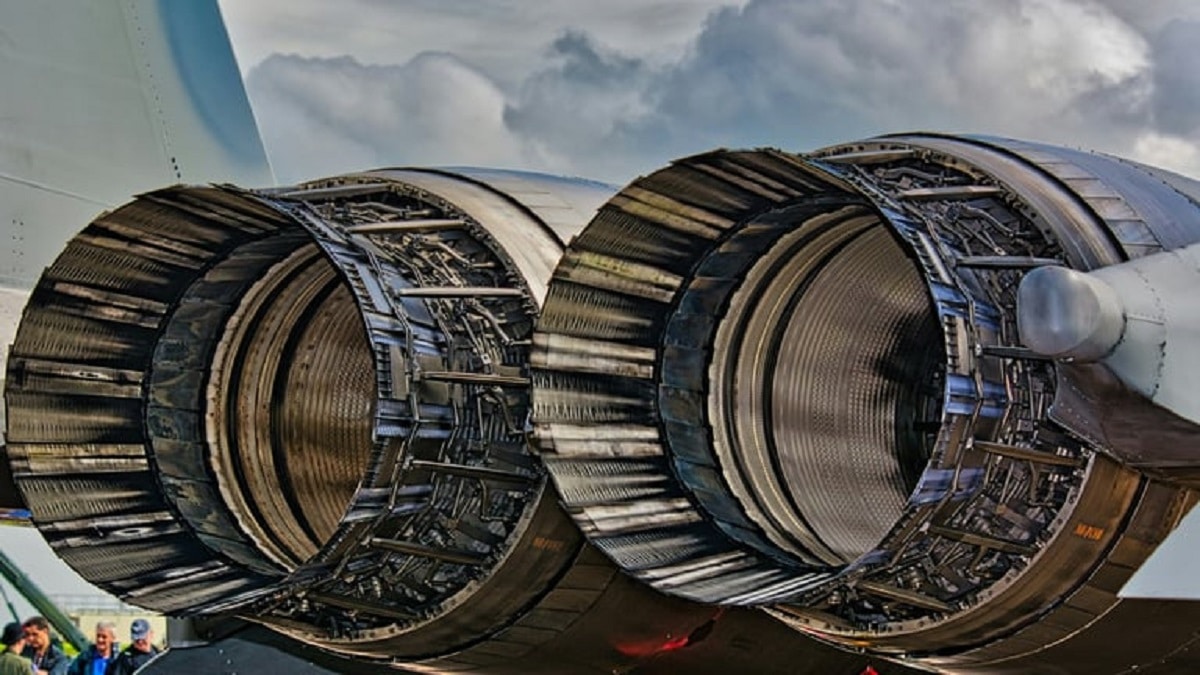
China has unveiled what it claims to be the world’s most powerful hypersonic engine, a development that could propel aircraft at Mach 16—roughly 20,000 km/h—at altitudes of 30 kilometres. To put that into perspective, such speeds would allow a plane to circle the planet in just two hours.
He thought he was rescuing a sheep—but it turned out to be something else
This bizarre French customer habit is driving shop owners crazy
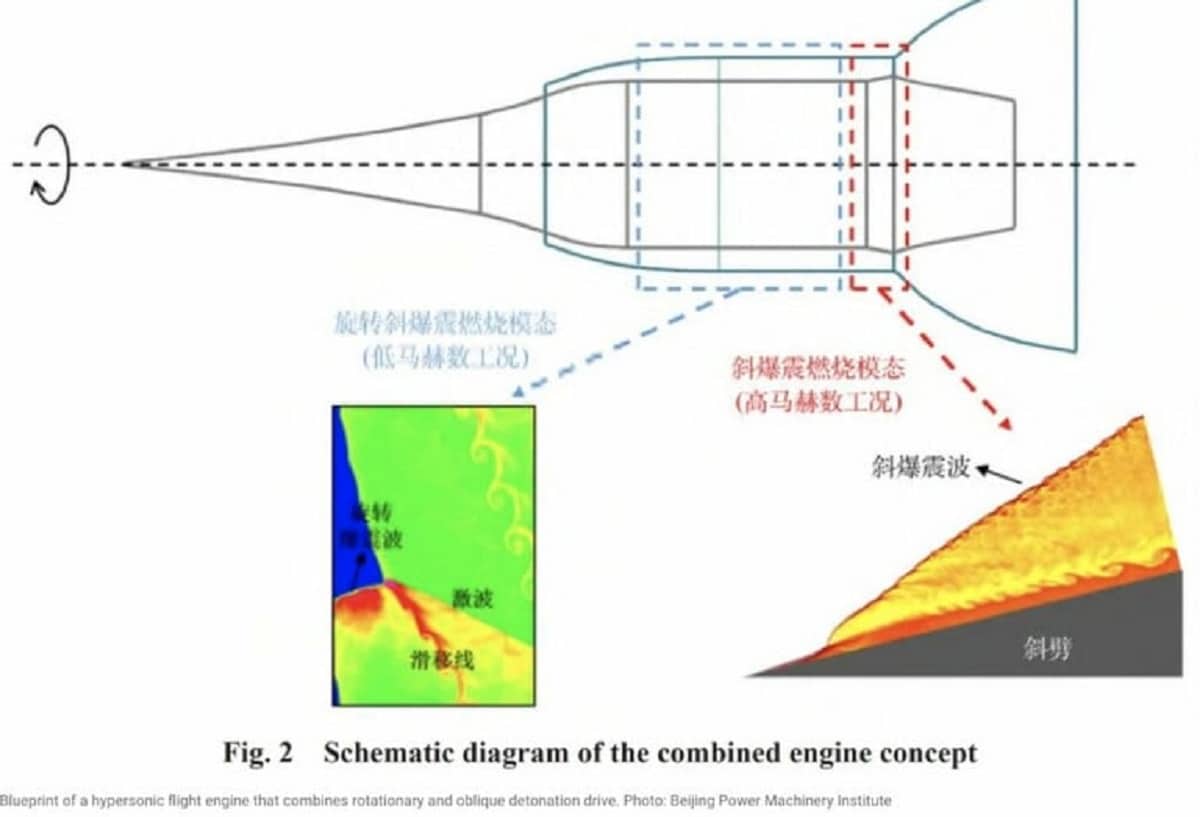
According to research published in China’s Journal of Propulsion Technology, the engine is built on a two-mode system. At speeds up to Mach 7, it uses rotating detonation technology: a process where fuel and oxidiser are continuously ignited in a circular channel between two cylinders. This method not only improves efficiency but also reduces fuel consumption compared with conventional systems.
Once the aircraft pushes beyond Mach 7, the engine switches to oblique detonation, a technique designed to maintain stability at extreme hypersonic speeds. This dual approach marks a major leap forward, enhancing both performance and reliability.
How it could reshape global travel
If this engine proves scalable, the implications go far beyond military applications. Imagine boarding a plane in Paris and landing in Sydney in under three hours, or flying from New York to London in less than 30 minutes. Hypersonic passenger travel has long been a dream of aerospace engineers, but China’s breakthrough suggests it may finally be within reach.
The advantages wouldn’t stop at passenger travel. High-speed cargo transport could slash delivery times across continents, fundamentally reshaping global supply chains. What takes days by ship or hours by current air freight could, in theory, be cut to minutes. Such an advance would boost international trade and logistics, creating ripple effects throughout the global economy.
The geopolitical race for hypersonic dominance
Of course, the military implications are just as significant. Hypersonic technology is highly prized for its ability to evade traditional missile defence systems, raising the stakes in global security. Analysts warn that if China can mass-produce these engines, it could gain a strategic advantage over the United States, Russia and other powers already investing heavily in similar research.
“Hypersonics could redefine the balance of power,” said aerospace analyst Richard Aboulafia. “It’s not just about speed—it’s about who controls the next generation of global mobility and defence.”
Already, the South China Morning Post has reported that the engine’s development puts Beijing ahead of rivals in this high-tech race. Unsurprisingly, the announcement is expected to intensify research efforts in Washington, Moscow and beyond.
A new era of aviation?
For now, the technology remains at the testing stage, with full-scale deployment still uncertain. But the prospect of a hypersonic age—where two-hour global flights are a reality—has never felt closer.
Whether it transforms civil aviation, revolutionises supply chains, or shifts the military balance of power, China’s new engine is more than just an engineering marvel. It’s a signal that the future of flight may arrive far sooner than we thought.
Similar Posts
- China claims impossible tech feat with stainless steel and clever engineering
- China builds fake American warships in desert—satellite images raise questions
- China unveils massive military project : satellite images show construction of the largest military hub on Earth spanning over 1 000 acres
- How Nvidia’s H20 chip became the new battleground in the AI race with China
- China activates the world’s most powerful hypergravity facility, simulating 1,900 times Earth’s gravity

Felix Marlowe manages Belles and Gals’ vibrant social media platforms. With expertise in social engagement and viral marketing, Felix creates content that sparks conversation and keeps followers coming back for more. From celebrity news to trending challenges, Felix makes sure our social media stays at the forefront of pop culture.


