
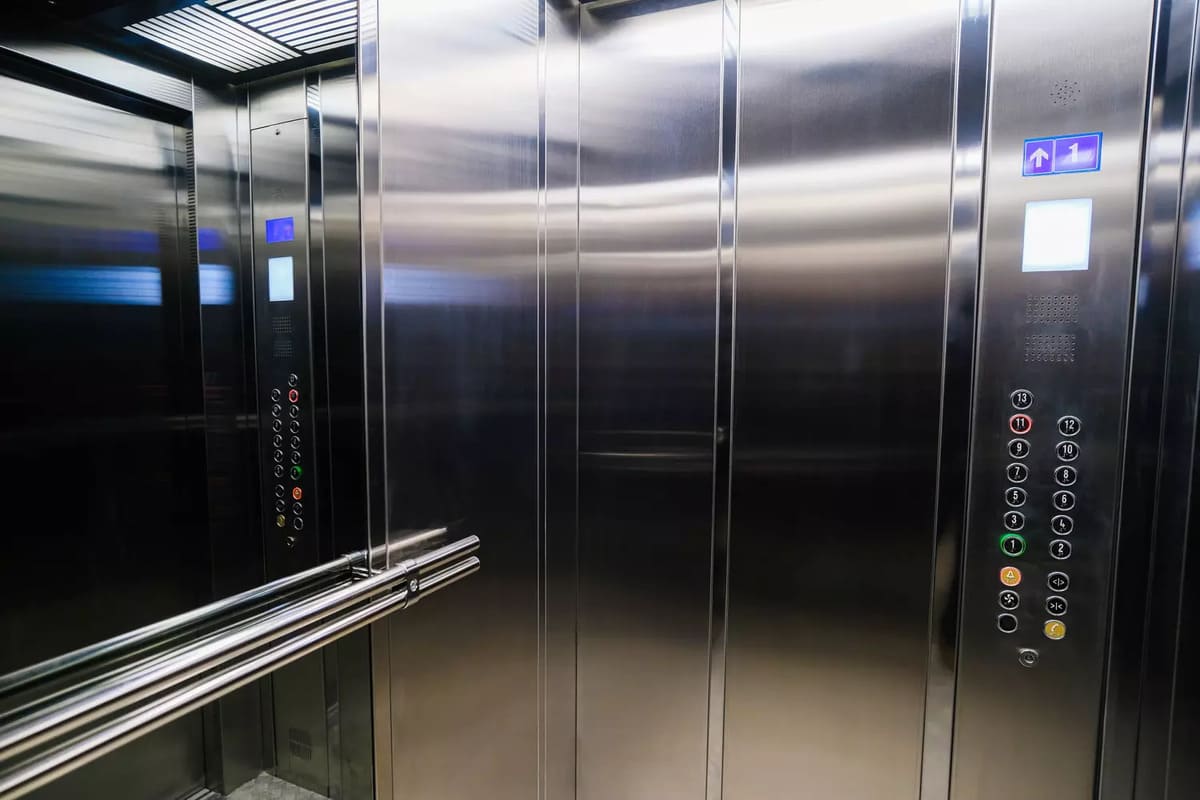
Stepping into an elevator, you might instinctively glance at the mirror, adjusting your hair or straightening your outfit. But have you ever wondered why it’s there in the first place? While its placement might seem purely decorative, elevator mirrors serve several important functions, far beyond quick beauty checks.
He thought he was rescuing a sheep—but it turned out to be something else
This bizarre French customer habit is driving shop owners crazy
A Glimpse Into History
The concept of the modern elevator can be traced back to the 1850s when inventor Elisha Otis revolutionized vertical transportation. Before Otis, elevators were primarily used for carrying heavy loads, but his introduction of a safety mechanism—preventing free falls in case of a cable failure—paved the way for elevators to safely transport people. By 1857, public elevators included mirrors, but not for the reasons you might think.
Safety First
One of the most significant reasons for adding mirrors to elevators is security. They provide a clear view of others in the cabin, allowing passengers to keep an eye on their surroundings. This can help deter unwanted behavior, such as theft or vandalism, as individuals are more likely to act responsibly when they’re aware they’re being observed—even by themselves.
For those who might feel uneasy in confined spaces with strangers, mirrors can act as a subtle reassurance. A quick glance can reveal the actions of others, contributing to a heightened sense of personal safety.
A Solution for Claustrophobia
For individuals prone to claustrophobia, elevators can be daunting. Mirrors are cleverly used to create an illusion of space, making the cabin feel larger and less confining. By reflecting light and depth, they provide a psychological trick that calms anxious passengers, transforming a small, enclosed area into something more open and less intimidating.
Assisting Accessibility
Elevator mirrors also play a critical role in improving accessibility for people with physical disabilities. For those using wheelchairs or mobility aids, mirrors make it easier to navigate tight spaces. A quick glance behind ensures smoother and safer entry and exit, allowing for greater independence and confidence during the journey.
A Distraction That Makes Time Fly
Let’s face it: even a few seconds in an elevator can feel longer than they should. Mirrors offer a simple way to pass the time. Whether it’s a quick check of your outfit, reapplying lipstick, or even snapping a selfie, mirrors help turn idle moments into opportunities for distraction.
When Mirrors Aren’t Needed
While mirrors are ubiquitous in most elevators, there are exceptions. Panoramic elevators, for example, rely on stunning views of cityscapes or landscapes to keep passengers occupied. Similarly, in hospital elevators, mirrors are often avoided to prevent patients from seeing themselves in vulnerable states, which could negatively impact their emotional well-being.
More Than Meets the Eye
The humble elevator mirror is a brilliant example of design serving multiple purposes. From enhancing safety to easing anxiety and improving accessibility, it’s far more than just a reflective surface. So, the next time you step into an elevator and catch your reflection, remember that it’s not just about appearances—it’s about making your ride a little safer, more comfortable, and even enjoyable.
Similar Posts
- Discover why this massive skyscraper in a forest houses only elevators
- Study Claims People Who Think They Look Good in the Mirror Are Completely Wrong
- Why Couples Start to Look Alike: The Surprising Science Explained!
- Plane Returns to Gate After Passenger Mistakenly Calls Flight Attendant a ‘Waiter’
- Boating with Kids? Top Tips to Ensure a Smooth Sail!

Felix Marlowe manages Belles and Gals’ vibrant social media platforms. With expertise in social engagement and viral marketing, Felix creates content that sparks conversation and keeps followers coming back for more. From celebrity news to trending challenges, Felix makes sure our social media stays at the forefront of pop culture.


