
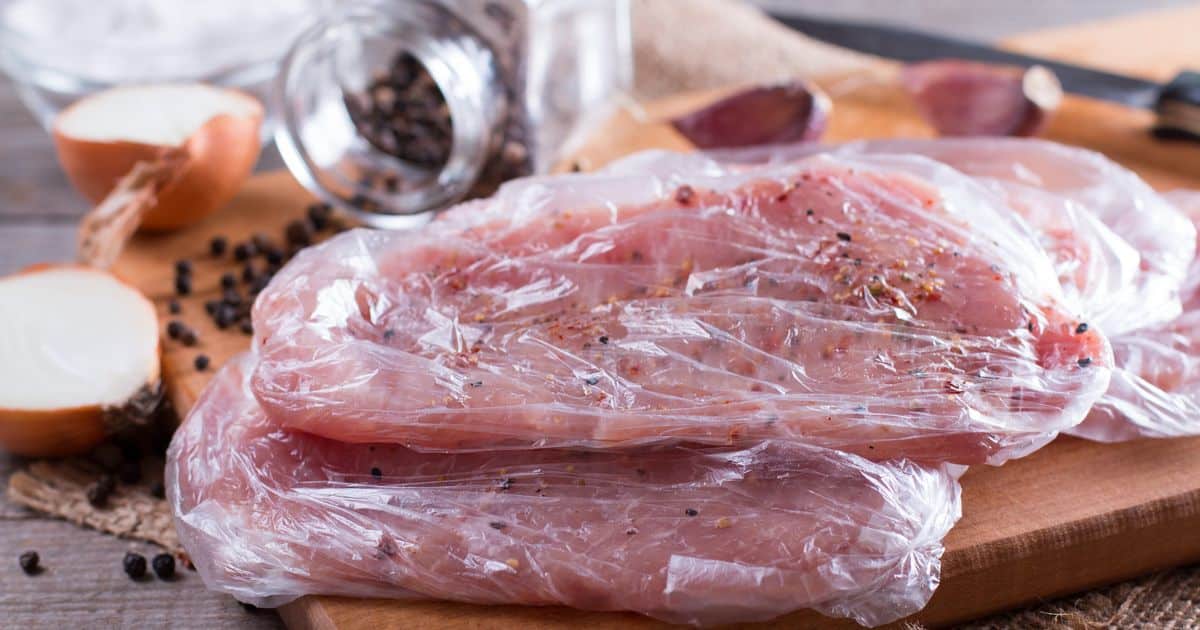
When it comes to preserving food, most of us aim to keep our meals fresh for as long as possible, both to prevent waste and to ensure we’re eating safely. While methods like refrigeration and freezing are widely accepted, there’s one common food storage habit that, if not done correctly, could be putting your health at risk by accelerating bacterial growth.
He thought he was rescuing a sheep—but it turned out to be something else
This bizarre French customer habit is driving shop owners crazy
The Hidden Dangers of Vacuum Sealing
Vacuum sealing has become a popular technique for keeping food fresh longer. Many people use it with the belief that it can significantly reduce bacterial contamination and extend shelf life. However, experts warn that this practice can, in some cases, create an environment ripe for bacterial growth—especially if it’s not paired with the right storage conditions.
Dr. Emily Thompson, a renowned virologist and food safety expert, recently addressed some misconceptions surrounding vacuum sealing. “A lot of people think that vacuum sealing is more hygienic than refrigeration or that it can eliminate up to 80% of bacteria,” she explained. “While vacuum sealing can slow down the growth of some microorganisms, it doesn’t kill bacteria. In fact, it creates an environment that encourages the growth of harmful anaerobic bacteria.”
Why Vacuum Sealing Can Be Risky
The core issue with vacuum sealing lies in its ability to remove oxygen from the packaging. While this can slow the growth of aerobic bacteria (which require oxygen), it unwittingly creates an ideal environment for anaerobic bacteria such as Clostridium botulinum, the bacteria responsible for botulism, a potentially deadly illness.
“Clostridium botulinum thrives in low-oxygen environments,” Dr. Thompson explains. “When you vacuum-seal food, you’re not killing these bacteria; you’re simply giving them the perfect breeding ground.” Without proper handling, vacuum-sealed foods can become hidden dangers, potentially leading to severe health risks.
Combining Vacuum Sealing with Proper Storage
To make vacuum sealing a safer part of your food preservation routine, it’s essential to combine it with other methods like refrigeration or freezing. These are crucial steps that need to follow the vacuum sealing process to prevent bacterial growth and keep food safe for consumption.
Sarah Miller, a food safety consultant for the Food and Drug Administration (FDA), advises, “If you choose to vacuum-seal your food, it’s important to refrigerate or freeze it immediately after sealing. Combining these techniques helps control any remaining bacteria and significantly reduces the risk of foodborne illnesses.”
Practical Tips for Safe Vacuum Sealing
If you’re keen on using vacuum sealing as part of your food storage routine, here are a few practical tips to ensure it’s done safely:
- Inspect Vacuum Sealing Bags Carefully: Always check that the bags are not torn or damaged before sealing. Even the smallest puncture can allow air and bacteria to enter, rendering the benefits of vacuum sealing ineffective.
- Use Quality Equipment: Invest in a reliable vacuum sealer that creates a strong seal. This ensures that the food is properly protected from air and contaminants.
- Maintain Cleanliness: Ensure that all surfaces and utensils used in the vacuum sealing process are thoroughly cleaned and disinfected to avoid introducing any bacteria into your food.
- Label and Date: Label and date each vacuum-sealed package. This helps you track how long the food has been stored and ensures that older food is consumed first.
- Proper Storage: After vacuum sealing, immediately place the food in the refrigerator or freezer. Do not leave vacuum-sealed items at room temperature for an extended period.
A Real-Life Example: Avoiding a Kitchen Catastrophe
Take John and Maria, for example. This couple from Ohio adopted vacuum sealing as a way to manage their meal prep. They were initially thrilled with how long their food lasted, but they soon noticed a strange odor coming from one of their vacuum-sealed bags. Upon investigation, they discovered that the food had been contaminated by anaerobic bacteria, almost leading to a botulism scare.
“If we hadn’t vacuum-sealed the food, we would have noticed the spoilage much sooner,” John recalls. “This experience taught us the importance of pairing vacuum sealing with proper refrigeration and regularly monitoring our stored food.”
Conclusion
While vacuum sealing can be a fantastic tool for preserving food, it’s important to understand its limitations and the risks involved if not handled properly. Following expert advice and combining vacuum sealing with refrigeration or freezing ensures that you get the benefits of extended shelf life without compromising your health.
For more tips on safe food storage and other health-related topics, check out our dedicated Health and Wellness section.
Similar Posts
- Food Preservation: This Bad Habit Significantly Promotes Bacterial Growth
- Warning: Storing Potatoes This Way Turns Them Into a Bacteria Breeding Ground!
- This Water Habit Actually Encourages Bacteria Growth—Here’s What to Avoid
- This Overlooked Kitchen Spot Is One of the Dirtiest—Here’s How to Clean It
- Refrigerator Secrets: The Ideal Temperature to Perfectly Preserve Your Food!

Felix Marlowe manages Belles and Gals’ vibrant social media platforms. With expertise in social engagement and viral marketing, Felix creates content that sparks conversation and keeps followers coming back for more. From celebrity news to trending challenges, Felix makes sure our social media stays at the forefront of pop culture.


