
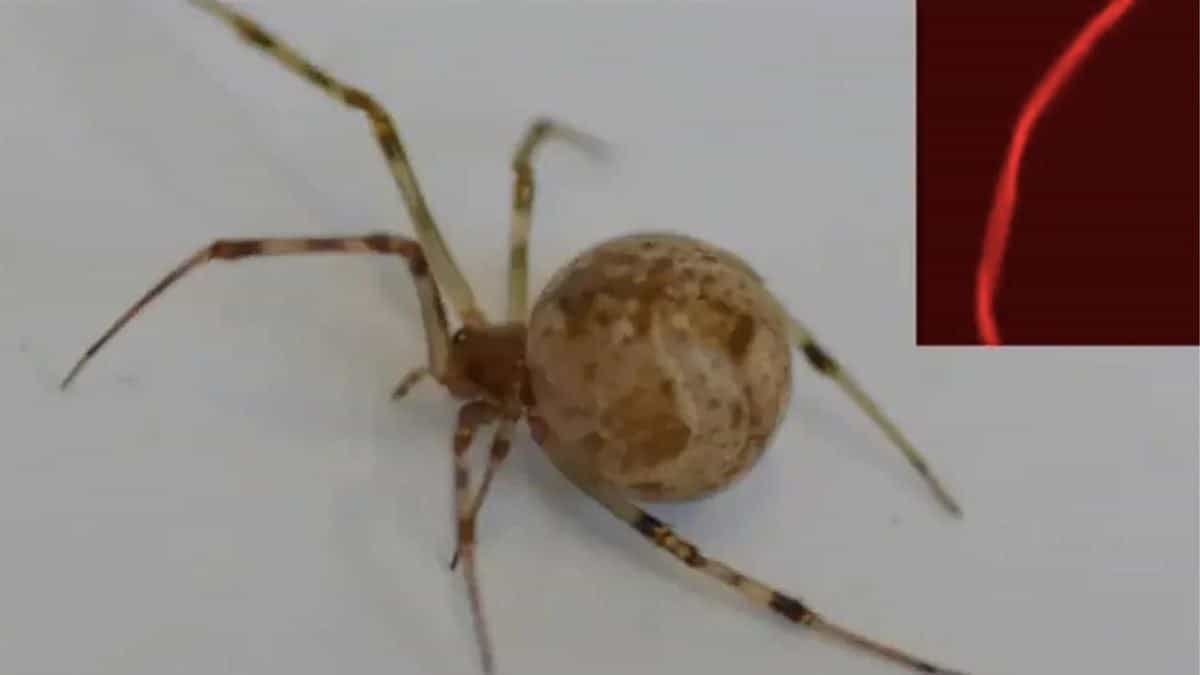
If you’ve ever tried to shoo a spider out of your bathroom, you probably weren’t imagining it might one day hold the key to cutting-edge tech. Yet here we are: researchers in Germany have successfully engineered a spider to spin red fluorescent silk. Yes, glowing web. Straight out of a sci-fi film—but very much real, and very much promising.
He thought he was rescuing a sheep—but it turned out to be something else
This bizarre French customer habit is driving shop owners crazy
The breakthrough isn’t just impressive—it’s a world first. Thanks to the precision tool CRISPR-Cas9 (think molecular scissors but with a Nobel Prize), scientists were able to insert a gene for red fluorescent protein into the reproductive cells of a female spider. When her little spiderlings hatched, they inherited the tweak, and voilà: red-glowing webs under UV light. Sounds like the stuff of comic books, but it’s all happening in the lab.
Why spiders are finally playing nice
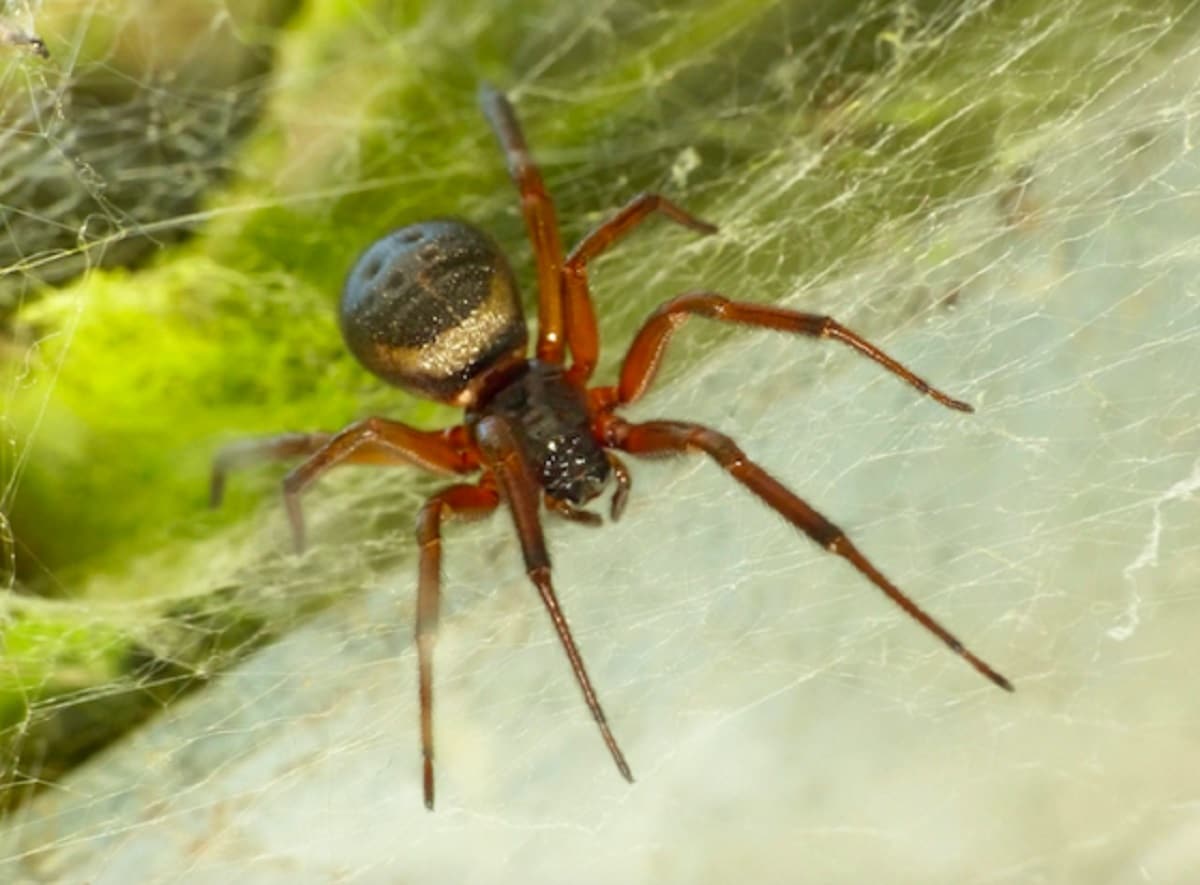
Unlike your average fruit fly or lab mouse, spiders have been notoriously uncooperative with scientists. Anyone who’s tried to observe them closely knows they’re more interested in hiding behind the curtain than helping science. But one species—Parasteatoda tepidariorum, otherwise known as the common house spider—has proven a bit more willing to star in experiments.
This made it the perfect candidate for the German team’s ambitious plan. The idea? Take the spider’s already remarkable silk and give it an upgrade. Not just any upgrade, mind—one that makes it glow. The trick wasn’t just about fancy visuals, though. It was proof that silk proteins could be modified in precise ways, opening the door to a realm of futuristic applications.
The magic of spider silk
Here’s why scientists are spinning over spider silk. It’s not just sticky thread—it’s a wonder material. Imagine something five times stronger than steel of the same weight, yet completely biodegradable. It stretches without snapping, it’s lightweight, and it’s produced naturally without industrial nasties.
Now, imagine being able to tweak that silk at the molecular level. Add some colour? Done. Make it stronger, more elastic, or able to carry drugs through the body? Potentially doable. This fluorescent silk is only the beginning.
One of the researchers involved summed it up neatly: they’ve shown, for the first time, that CRISPR can insert new properties directly into spider silk. That’s huge. It means scientists can now think beyond glow-in-the-dark webs (though admittedly, that’s cool too). Think of medical sutures that change colour when there’s an infection, or smart textiles that respond to environmental changes. Even aerospace components that are lightweight and ultra-durable. It’s a long way from Charlotte’s Web.
What it means for the rest of us
Alright, most of us won’t be spinning luminous silk in our sheds anytime soon. But this could affect everything from how we dress to how we heal. In the world of biomaterials, this is a massive leap. Plus, it’s another reminder of how gene editing, when used responsibly, has the potential to transform not just science, but daily life.
So next time you spot a spider hanging in a corner, maybe pause before reaching for the slipper. One of its cousins might just be busy working on the future of materials—and doing it with a bit of red flair.
Similar Posts
- Astronomers stunned by discovery of a massive glowing cloud hidden in space
- We Still Don’t Know Why Ginger Cats Are So Wacky, But Here’s Why They’re Ginger
- Jennifer Lopez Stuns in Lingerie-Inspired Outfit During NYC Night Out!
- China activates the world’s most powerful hypergravity facility, simulating 1,900 times Earth’s gravity
- Scientists find giant sinkhole in China—inside, a prehistoric forest still thrives

Felix Marlowe manages Belles and Gals’ vibrant social media platforms. With expertise in social engagement and viral marketing, Felix creates content that sparks conversation and keeps followers coming back for more. From celebrity news to trending challenges, Felix makes sure our social media stays at the forefront of pop culture.


