He thought he was rescuing a sheep—but it turned out to be something else
This bizarre French customer habit is driving shop owners crazy
And it’s not about price or brand.
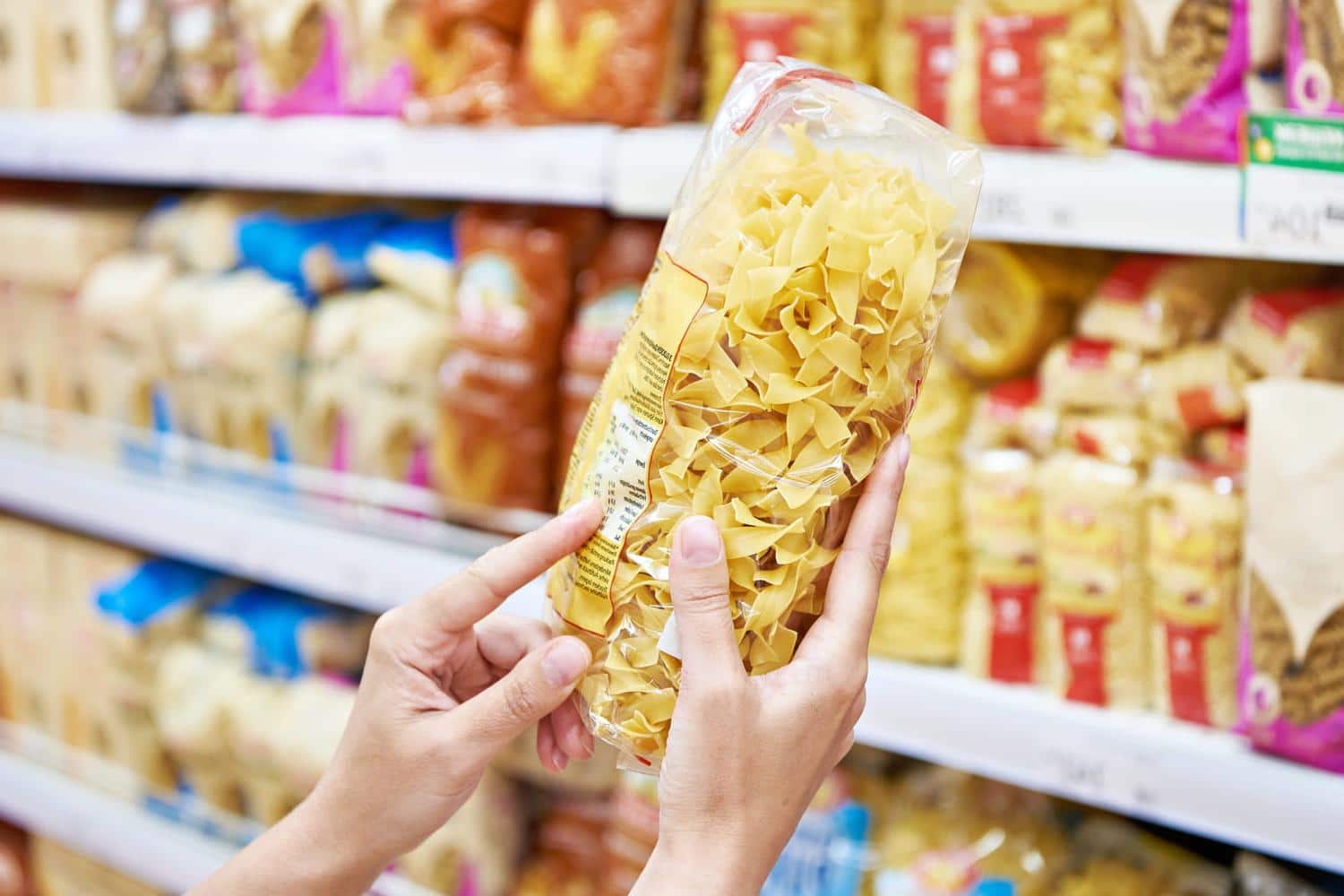
Strolling through supermarket aisles, culinary enthusiasts often face a tricky question: which pasta to pick from the myriad of brands and types? Hidden behind those colorful packages is a significant difference that can elevate a simple meal to a culinary masterpiece. An Italian chef sheds light on this crucial detail.
The basic ingredients for making pasta, such as those from Panzani, Barilla, or Lustucru, are durum wheat semolina and water. However, the quality of the pasta is not solely dependent on the ingredients used but primarily on the manufacturing process. Renowned Italian chef, Francesco Mattana, spoke about this in a video that has gained considerable attention online. According to him, appearances are crucial. Contrary to popular belief, yellow and shiny pasta does not indicate high quality. “If the color is too bright, that’s a bad sign”, he explains. This characteristic often signals a rapid industrial process conducted at high temperatures, resulting in nutrient loss and a texture that is far from ideal once served.
Another aspect to consider, according to Francesco Mattana, is texture. High-quality pasta should have a rough, matte surface. This feature is directly related to the manufacturing method used. In essence, the finest pastas are crafted using bronze dies. Unlike standard industrial molds, this technique gives the pasta a unique texture that clings to sauces perfectly. “Smooth, shiny pasta does not deliver the same taste experience,” the expert notes. This difference becomes apparent during cooking: high-quality pasta maintains its shape and firmness, releasing less starch into the water. On the other hand, lower-quality pasta may stick together or break down quickly, disrupting the balance of your dish.
That’s why Francesco Mattana advises paying attention to two details on the pasta packaging. First, look for the Italian phrase “trafilata al bronzo,” which assures that the bronze extrusion method was used. Second, carefully examine the pasta’s color through the transparent window. A light yellow or almost ivory shade signifies slow drying at low temperatures, which helps preserve flavors and nutrients.
So, the next time you’re selecting pasta, keep a sharp eye out for these indicators on the packaging. They can make all the difference in your dish. Observe, compare, and choose pastas worthy of your best recipes. After all, a great dish always starts with great ingredients.
Similar Posts
- Everyone Agrees: These Neapolitan Pasta Dishes Are Incredibly Cheap and Delicious!
- Easier to Digest Than Carbonara: Chef’s Tasty Italian Pasta Alternative!
- Italians Reveal: The Secret Ingredient That Makes True Bolognese!
- Savoyard Chef’s Secret to Perfect Croziflette with Reblochon Cheese!
- 3-Star Chef’s Legendary Mashed Potatoes Recipe You Can Make at Home!

Felix Marlowe manages Belles and Gals’ vibrant social media platforms. With expertise in social engagement and viral marketing, Felix creates content that sparks conversation and keeps followers coming back for more. From celebrity news to trending challenges, Felix makes sure our social media stays at the forefront of pop culture.