He thought he was rescuing a sheep—but it turned out to be something else
This bizarre French customer habit is driving shop owners crazy
Popularized by Drew Barrymore and Cameron Diaz, this glamorous root effect continues to win fans. Let’s take a closer look at this highlighting technique also known as Ombré Hair, with insights from Franck Provost.
The tie and dye technique originated in the 1960s. Initially, this method was not used for hair but for clothing. People would twist a t-shirt, dip it in dye or bleach, creating a bohemian gradient effect. In recent years, tie and dye has been revived as a hair coloring technique. It first gained popularity on fashion runways and among trendsetters, and has since continued to grow in popularity.
What is Tie and Dye Balayage?
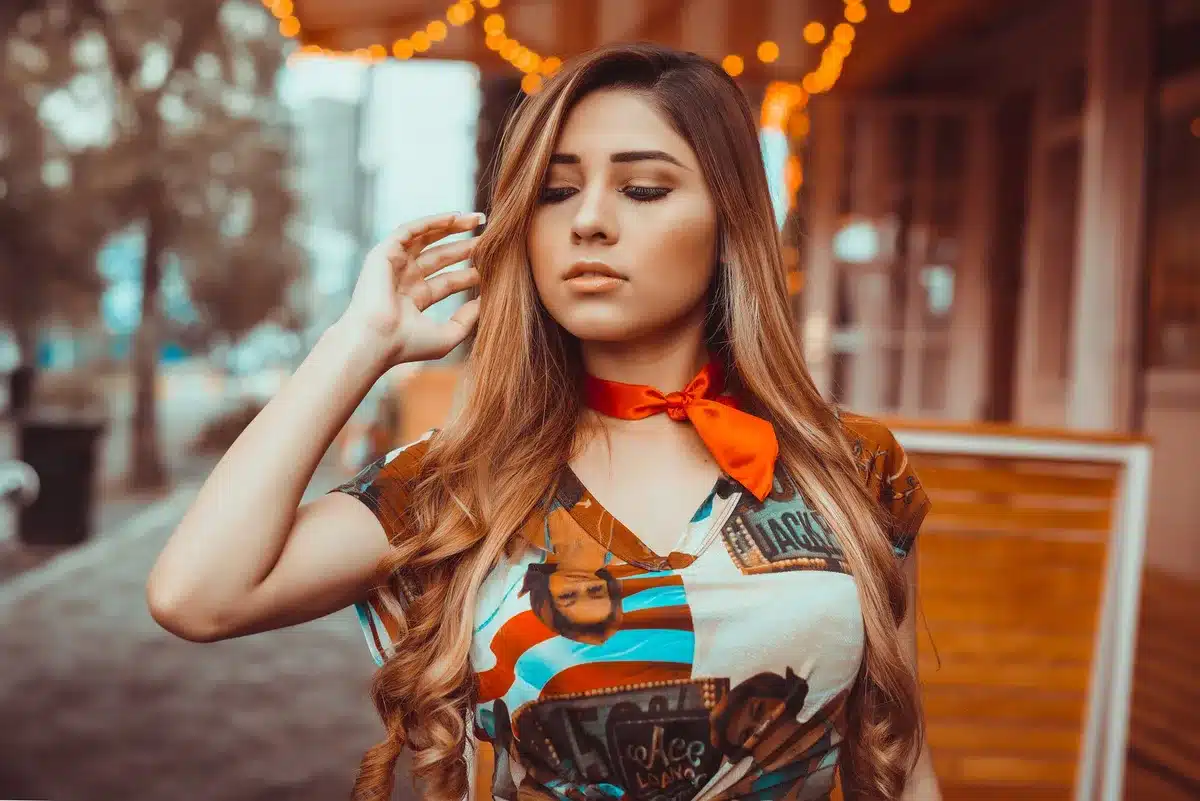
“The balayage tie and dye or Ombré Hair involves creating zones of color,” explains Catherine Block, head of training at Franck Provost. The goal is to craft an elegant gradient from your natural hair color. This color gradient effect is achieved in three steps. The first step is to add a shade that matches the natural color at the roots, the nape, and behind the ears. The second step involves applying an intermediate color from mid-ear to the ends of the hair. Finally, the last step is to add a lighter highlight to the tips. The objective is to mimic a Venetian blonde canvas for lighter hair or a chestnut shade for darker hair.
How to Achieve Tie and Dye Balayage?
Like a traditional coloring, creating a tie and dye balayage takes some time, with a minimum duration of around 1 hour and 15 minutes in a salon. This time is necessary to determine the right shades for your balayage, apply them, and allow them to set for at least 20 minutes.
How to Maintain Tie and Dye Balayage?
To keep your ombré hair looking its best for as long as possible, it should be maintained with products designed for colored hair. Shampoo, oil treatments, and sun protection are your best allies, our expert advises. There are no specific contraindications for getting a tie and dye. People with flexible, smooth, or fine hair can try it without any concerns,” adds our expert.
Similar Posts
- Hairstylist’s Secret: Look Younger After First Dye Job, Even After 60 Years!
- Best Haircuts for Women Over 50: Find Your Perfect Style Today!
- Kate Middleton’s New Hair Color Sparks 1100% Surge in Salon Requests
- Say Goodbye to Subtle Highlights: These Once-Outdated Streaks Make a Stunning Comeback!
- Master the Art of Contouring: Everything You Need to Know

Ellis McDowell is a trend analyst with a sharp eye for spotting the next big thing in entertainment. With years of experience in digital media and trend forecasting, Nora tracks the movements of influencers, viral content, and entertainment trends. Her insights help shape the stories that captivate our audience.