He thought he was rescuing a sheep—but it turned out to be something else
This bizarre French customer habit is driving shop owners crazy
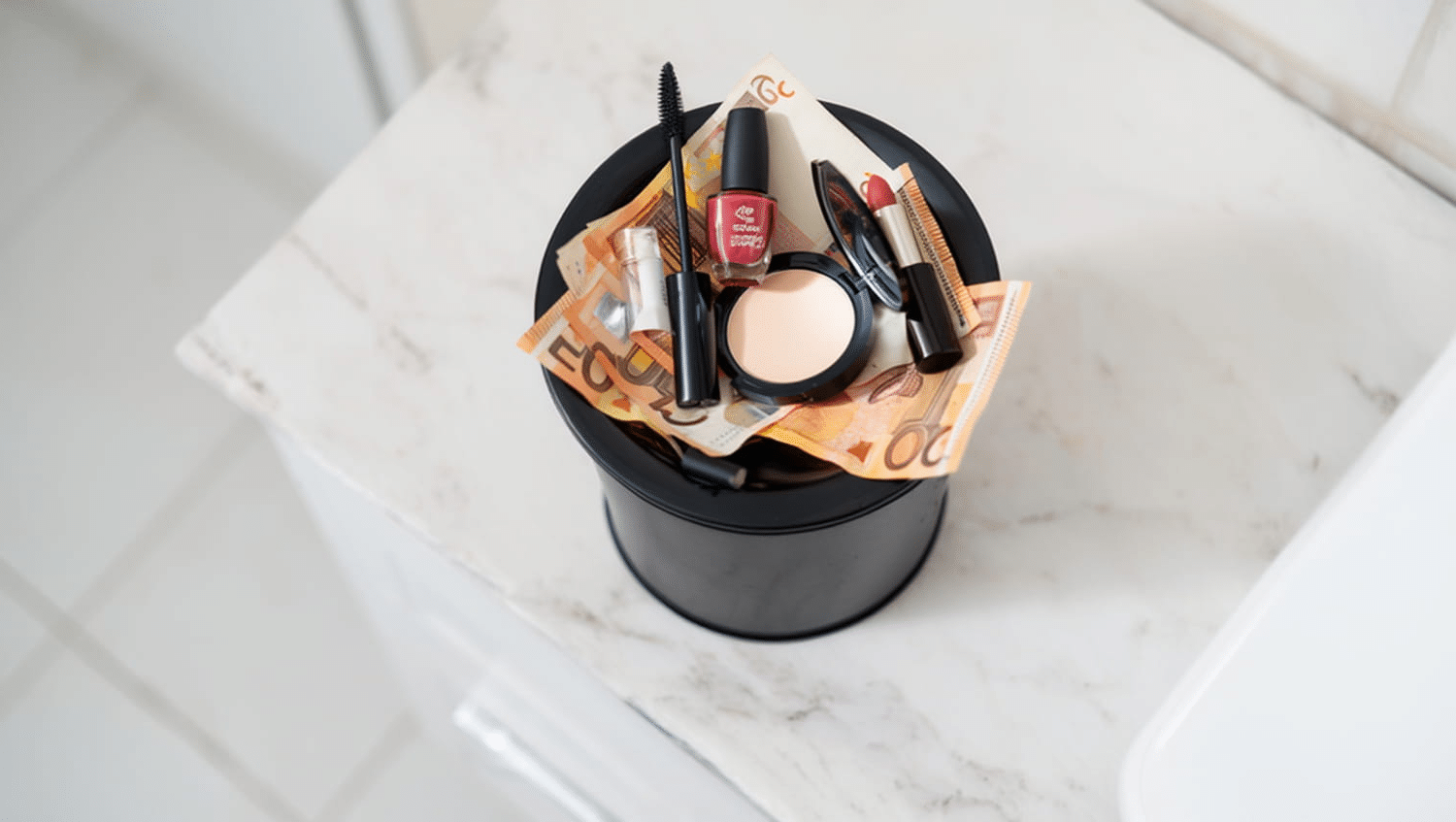
The energy recovery of your cosmetics, foundations, and facial treatments depends on how accurately you sort them. Discarding these makeup containers in unsorted waste interferes with the industrial processing of utility services and could lead to a fine. Support energy infrastructure and recycling efforts.
In the bathroom, from nail polish remover, cotton balls to makeup palettes nearing the end of their life, some items are tossed into the trash without a second thought. After doing your nails, you might cap the bottle, put it away, or just throw it out. It’s an innocuous, almost reflex action. Yet, this common habit could nowadays end up costing you money.
When it comes to waste, regulations are stricter than one might think. Not all cosmetic products can be thrown out with regular household trash. Behind their stylish packaging and shiny colors, there sometimes lurk chemical substances that require special handling. Waste management rules, outlined in the Environmental Code available on Légifrance, mandate that certain hazardous wastes follow a specific disposal path.
The product in question? Nail polish. This small, colorful bottle, essential for flawless manicures, contains solvents and resins that are classified as special household waste when it’s not entirely empty. In other words, disposing of a nail polish bottle that’s still full—or even half-used—in regular trash can violate sorting instructions in many municipalities.
Why such caution? Because nail polish is flammable and contains chemical elements that can pollute the soil or release toxic substances during incineration. The Environmental Code precisely regulates the disposal of these wastes to prevent any risk to both the environment and public health. If local collection rules are not followed, the Penal Code provides for a fine that could reach up to 150 euros, as noted in official documents accessible on Légifrance.
In some instances, especially in cases of non-payment or as per specific municipal decrees, local guides even mention fines that could go up to 450 euros. It’s best to avoid any financial surprises. The solution is simple: never throw a nail polish bottle that’s still full or partially full into your regular garbage bin. It should be taken to a dump or a collection point designed for hazardous waste. As for completely empty and dry bottles, it’s crucial to check your municipality’s specific sorting guidelines.
A small, nearly invisible precaution in your beauty routine, but one that keeps your nails looking great without burning a hole in your wallet.
Similar Posts
- How to Remove Fake Nails Quickly – Expert Tips Revealed!
- Iris Mittenaere Reveals Chic, Easy-to-Do Summer Manicure We’ll All Want!
- Caleb Williams Unfazed by Critics of His Painted Nails: “I Know Who I Am”
- Starting September, This Common Nail Polish Ingredient Will Be Officially Banned!
- Must-Have Nail Polish Colors This Winter, According to Makeup Expert!

Ellis McDowell is a trend analyst with a sharp eye for spotting the next big thing in entertainment. With years of experience in digital media and trend forecasting, Nora tracks the movements of influencers, viral content, and entertainment trends. Her insights help shape the stories that captivate our audience.