

Our dogs are more than just pets; they’re cherished members of the family. It’s no wonder we go to great lengths to ensure they’re happy, healthy, and well cared for. In recent years, one trend has caught the attention of many pet owners: preparing homemade meals for dogs. While the intention behind this is to provide the best for our furry friends, veterinarians are now raising concerns about the potential risks that come with this practice.
He thought he was rescuing a sheep—but it turned out to be something else
This bizarre French customer habit is driving shop owners crazy
Hidden dangers in homemade dog diets
When I first thought about preparing meals for my dog, Buddy—a playful border collie—I thought I was doing something great. Watching him eagerly enjoy food I had cooked with love felt incredibly rewarding. But soon, I started reading articles from veterinarians that made me rethink my approach.
Dr. Sarah Lewis, a leading veterinarian with the American Veterinary Medical Association, explains that although feeding our dogs homemade meals comes from a place of love, these diets often don’t provide the right balance of nutrients. “Dogs have very specific nutritional needs, and it’s easy to miss key vitamins and minerals when preparing meals at home,” she says. Nutritional imbalances can result in a variety of health problems, such as gastrointestinal issues, weakened immunity, or even more severe conditions like kidney problems and bladder stones.
This reality hit home when I heard about a friend’s golden retriever, Bella, who started experiencing digestion problems after being on a homemade diet for several months. A visit to the vet uncovered that her meals were deficient in fiber and essential fatty acids, both of which are crucial for maintaining digestive health and a shiny coat. With the right supplements, Bella’s health improved, but the situation could have been avoided with professional guidance.
Understanding your dog’s unique needs
Just like humans, each dog has unique dietary needs. Factors like age, breed, size, and health conditions influence the ideal diet for a dog. For example, a senior poodle with arthritis has different nutritional requirements than an active terrier. Even a seemingly simple homemade meal like chicken and rice might lack critical nutrients such as calcium and phosphorus, which are vital for healthy bones.
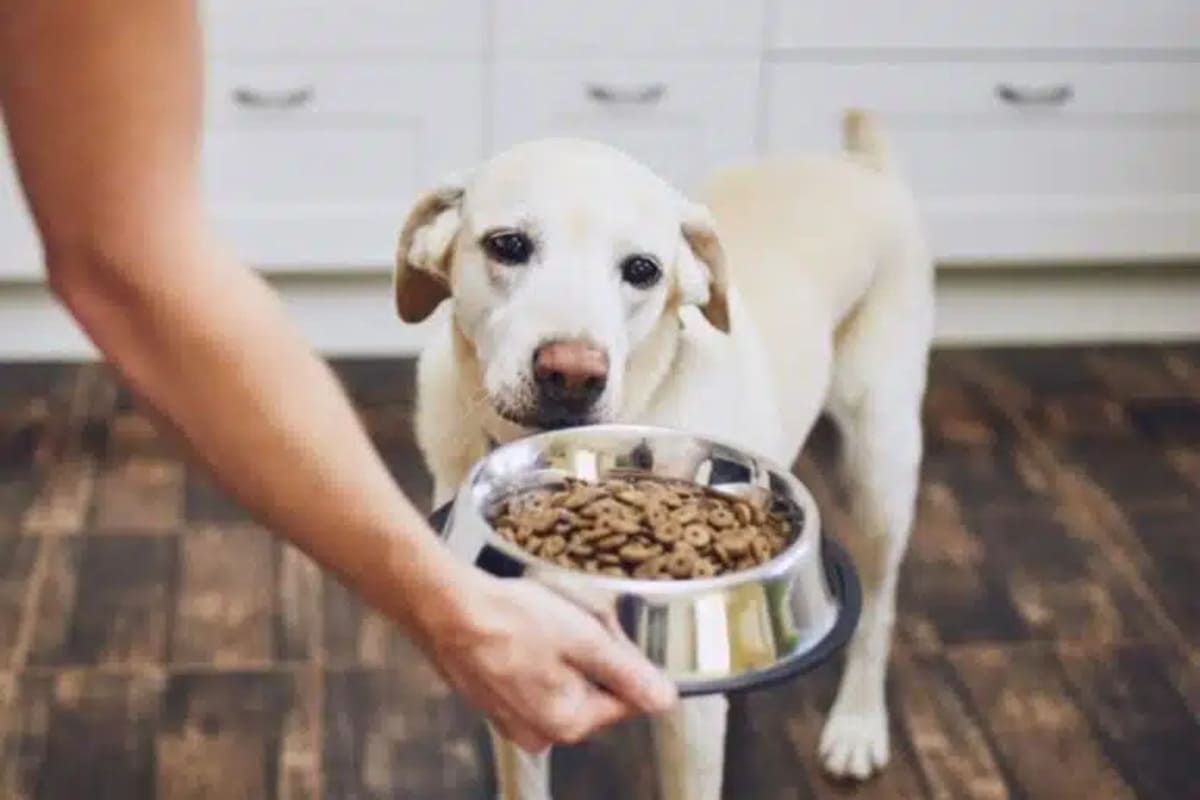
The American Kennel Club often reminds pet owners that while some foods are safe for humans, they can be toxic for dogs. Chocolate, onions, and grapes are a few examples of everyday foods that can be dangerous for our pets. I remember my neighbor’s dog, Rex, a boisterous Labrador, who began showing signs of lethargy and poor coat health after switching to a homemade diet. It turned out that his meals lacked enough calcium, leading to weak bones and low energy. After adjusting his meals with proper guidance from the vet, Rex was back to his playful self.
Why professional advice is crucial
If you’re considering feeding your dog a homemade diet, it’s essential to consult a veterinarian or even a veterinary nutritionist. Experts can create a meal plan tailored to your dog’s specific needs, ensuring it’s both safe and nutritious. While cooking for your dog might feel like a more personal and loving option than store-bought food, the reality is that most commercial dog foods are carefully designed to meet all of a dog’s nutritional needs.
I saw this firsthand when my cousin decided to switch her Doberman, Zeus, to homemade meals. She worked closely with a veterinary nutritionist to design a meal plan that balanced proteins, fats, and vitamins. Zeus loved his meals, and his health remained in top shape thanks to the professional advice she followed. It was a perfect example of how the right balance of love and expertise can lead to the best outcomes for our pets.
The importance of informed care
As much as we all want to provide the best for our dogs, sometimes sticking to proven methods is the safest option. If you decide to venture into homemade meals, ensure that you’re well-informed. It’s crucial to consult professionals, stay educated about what your dog needs, and make sure you’re meeting their nutritional requirements.
Ultimately, the goal is to ensure that our dogs live long, healthy lives filled with joy. Striking the right balance between love and informed care is the key to achieving that. So, before you grab your apron, remember: professional guidance goes a long way in helping you show your dog just how much you care.
Similar Posts
- Veterinarian warns against a growing dog care trend that could do more harm than good
- A veterinarian cautions about a surging trend in dog care practices
- Veterinarian Warns Against Increasingly Popular Dog Care Trend
- Surprising Reasons You Should Add More Canned Sardines to Your Diet
- Here’s why you should eat canned sardines more often

Felix Marlowe manages Belles and Gals’ vibrant social media platforms. With expertise in social engagement and viral marketing, Felix creates content that sparks conversation and keeps followers coming back for more. From celebrity news to trending challenges, Felix makes sure our social media stays at the forefront of pop culture.


