
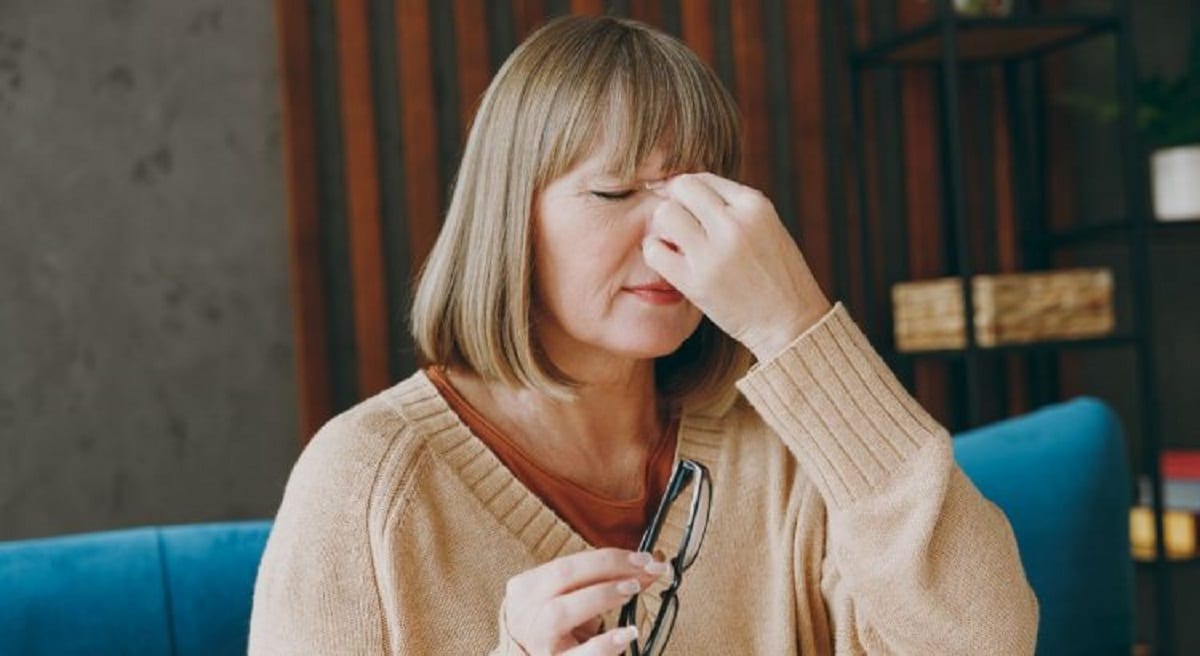
A recent study has highlighted a connection that might make you think twice about skipping that eye exam: seniors over 65 with vision problems may face a higher risk of developing dementia.
He thought he was rescuing a sheep—but it turned out to be something else
This bizarre French customer habit is driving shop owners crazy
Are Vision Problems and Dementia Linked?
We’ve all noticed how our eyesight isn’t quite what it used to be as the years go by. My neighbor, for instance, started needing stronger reading glasses every couple of years. But according to new research published in JAMA Ophthalmology, untreated vision issues in older adults could be more than just a minor inconvenience—they might significantly increase the risk of dementia.
Previously, it was believed that about 2% of dementia cases were linked to unaddressed vision loss in older age. This new study, however, suggests that the number could be as high as 19%. That’s nearly one in five cases potentially connected to vision impairment.
The researchers stated, “The total contribution of late-life vision impairment to dementia may be substantial and warrants further investigation to inform dementia prevention strategies.” In other words, taking care of our eyes might be more critical to brain health than we realized.
What Did the Study Find?
To explore this connection, scientists examined the visual and cognitive functions of 2,767 individuals in the United States, all aged 65 and above. These participants had health insurance and lived independently, not in nursing homes.
The study focused on several types of vision problems:
- Distance vision impairment
- Near vision impairment
- Poor contrast sensitivity
Their findings were eye-opening:
- Approximately 5% of dementia cases could be attributed to distance vision issues.
- Around 10% were linked to problems with near vision.
- About 15% were associated with poor contrast sensitivity.
One of the researchers emphasized, “It’s important to note that over 90% of visual impairments are preventable or correctable.” This underscores the importance of regular eye check-ups and timely interventions.
How Can We Reduce the Risk of Dementia as We Age?
Professor Eef Hogervorst from Loughborough University highlighted a crucial point: “Low visual sensitivity could predict dementia 12 years before it’s diagnosed.” This suggests that early detection and treatment of vision problems might play a significant role in delaying or preventing dementia onset.
Professor Anthony Khawaja of University College London added, “In the future, a visit to your local optometrist could be an effective screening tool not just for eye diseases, but also for other common causes of illness, including dementia and cardiovascular diseases.”
So, why might vision problems lead to a higher risk of dementia? Experts propose a couple of theories:
- Shared Biological Mechanisms: There could be underlying health issues that simultaneously affect both vision and cognitive function.
- Reduced Social Engagement: Vision impairments might make it harder for seniors to participate in social activities or hobbies, leading to decreased mental stimulation, which is vital for brain health.
This study opens new avenues for understanding how interconnected our bodily systems are. It also serves as a gentle reminder: perhaps it’s time to schedule that eye exam you’ve been putting off. After all, taking care of your vision might just be an investment in your long-term cognitive health.
Similar Posts
- Screen Time Risks for Kids: Health and Development Impacts Revealed!
- This is the music genre preferred by the least intelligent people, according to a study
- Science Has Decided: The Effects of Eggs on the Brain According to This Study
- New Study Confirms Surprising Benefits of Eggs for Brain Health
- Math Teacher Predicts Hot Topics Likely to Appear on the Bac Exam!

Felix Marlowe manages Belles and Gals’ vibrant social media platforms. With expertise in social engagement and viral marketing, Felix creates content that sparks conversation and keeps followers coming back for more. From celebrity news to trending challenges, Felix makes sure our social media stays at the forefront of pop culture.


