
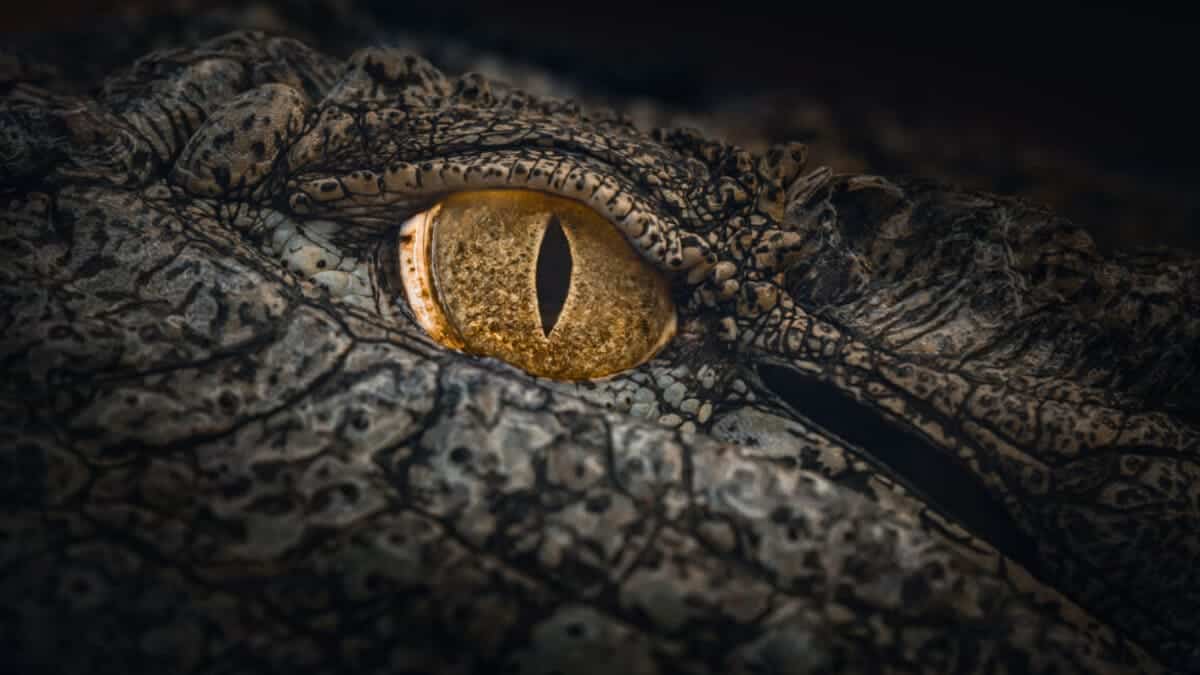
In the scorching desert of Ocucaje, southern Peru, paleontologists have unearthed a discovery that has left the scientific community buzzing: the fossilized remains of a 12-million-year-old gharial crocodile. This incredible find, the most recent and youngest specimen of this species to be discovered, sheds new light on an ancient reptile that once ruled the waters of prehistoric Peru.
He thought he was rescuing a sheep—but it turned out to be something else
This bizarre French customer habit is driving shop owners crazy
A Remarkable Discovery in the Ocucaje Desert
The Ocucaje Desert, with its rich fossil beds, has long been a hotspot for paleontological discoveries. But in 2023, a joint team of Peruvian researchers, including specialists from the Geological, Mining, and Metallurgical Institute of Peru (INGEMMET) and the Colegio La Unión, stumbled upon a treasure unlike any other.
What they unearthed was an almost complete skeleton of a juvenile gharial crocodile, measuring approximately three meters in length. Dating back between 10 and 12 million years to the Miocene epoch, this find offers a rare glimpse into the early life stages of an otherwise fearsome species. The gharial’s diet, which focused entirely on fish, made it a powerful predator in the waters of the time.
As Mario Gamarra, a paleontologist and lead researcher, explained, this discovery is extraordinary for one key reason: it’s the first-ever fossil of a juvenile gharial found. “The presence of a young specimen opens new avenues for understanding the evolution of this species,” Gamarra said. Such finds are crucial because they allow scientists to better understand the life cycle and growth patterns of these ancient reptiles, which could grow up to 9 meters long in adulthood.
The gharial’s long, narrow snout—akin to its modern relative, the Indian gharial—was perfectly adapted for its piscivorous lifestyle, allowing it to capture fish with remarkable precision. This unique anatomical feature provides insight into how these reptiles were able to thrive in the prehistoric waters of the region.
Ocucaje Desert: A Paleontologist’s Dream
Located roughly 350 kilometers south of Lima, the Ocucaje Desert is one of the most fossil-rich regions in Peru and indeed the world. For years, it has provided valuable remnants of life from the Miocene period, including the bones of long-extinct marine animals like whales, dolphins, and sharks. These fossils help researchers piece together the puzzle of ancient ecosystems and offer clues to how life evolved in this once lush, coastal environment.
In 2023, another exciting find in the same area grabbed headlines: the remains of Perucetus colossus, a giant whale believed to have lived 39 million years ago. Initially, scientists thought this massive creature could be the heaviest animal ever to exist, but more recent studies have since retracted that claim, reaffirming the blue whale as the largest creature to ever roam the Earth.
The Ocucaje Desert’s reputation as a paleontological hotspot continues to grow, with each new discovery shedding light on the ancient past. The latest find, the juvenile gharial fossil, adds yet another fascinating piece to the puzzle of how species adapted to their environments millions of years ago.
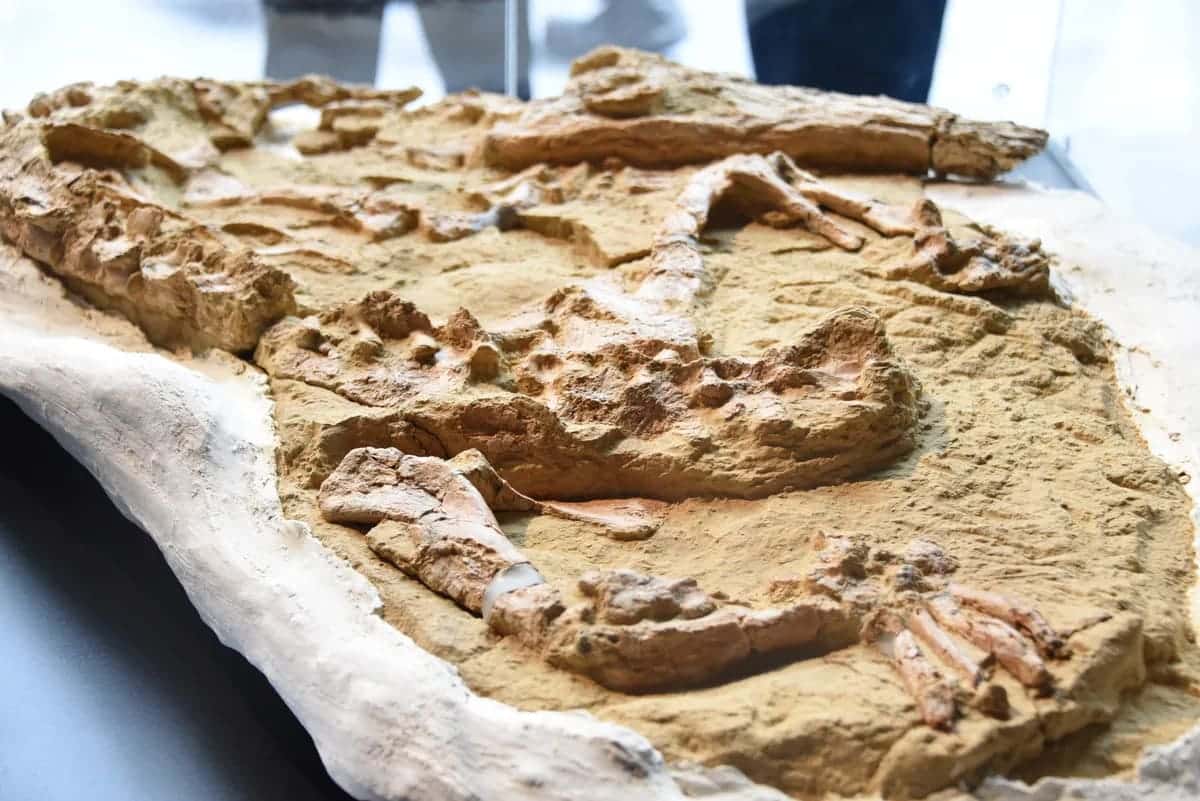
A Glimpse into the Past and Future of Crocodiles
While the gharial may no longer swim the waters of ancient Peru, its legacy lives on in modern species. The juvenile specimen found in Ocucaje offers a direct link between ancient crocodyliforms and their modern relatives, providing researchers with a clearer picture of how these animals have evolved over millions of years. From their early, fish-eating days to the giant predators they would eventually become, the gharials’ story is one of survival and adaptation.
This new fossil also provides a rare opportunity to study the diversity within the species, and how it interacted with its surroundings. By examining the bones of young gharials, scientists can refine their understanding of how these creatures grew and developed, and how they fit into the broader Miocene ecosystem. These findings might even help paleontologists understand how the gharials’ larger, adult counterparts were able to dominate their habitats.
For paleontologists, each new discovery in places like the Ocucaje Desert serves as a reminder of the richness of the planet’s prehistoric past. The incredible range of species that once thrived in ancient seas, and the astonishing variety of fossils found today, offer vital clues to the ongoing mystery of Earth’s evolutionary history.
As we continue to uncover more about the prehistoric world, the desert of Ocucaje will undoubtedly remain a key site for understanding the distant past and its influence on life as we know it today.
Similar Posts
- Scientists claim the discovery of the largest snake ever
- World’s largest snake discovered : a prehistoric giant shocks scientists
- Discovery of a giant snake—the largest of all time?
- Researchers Announce Discovery of the Biggest Snake Ever
- Discovery of a giant snake sparks questions: could it be the biggest ever?

Felix Marlowe manages Belles and Gals’ vibrant social media platforms. With expertise in social engagement and viral marketing, Felix creates content that sparks conversation and keeps followers coming back for more. From celebrity news to trending challenges, Felix makes sure our social media stays at the forefront of pop culture.


