
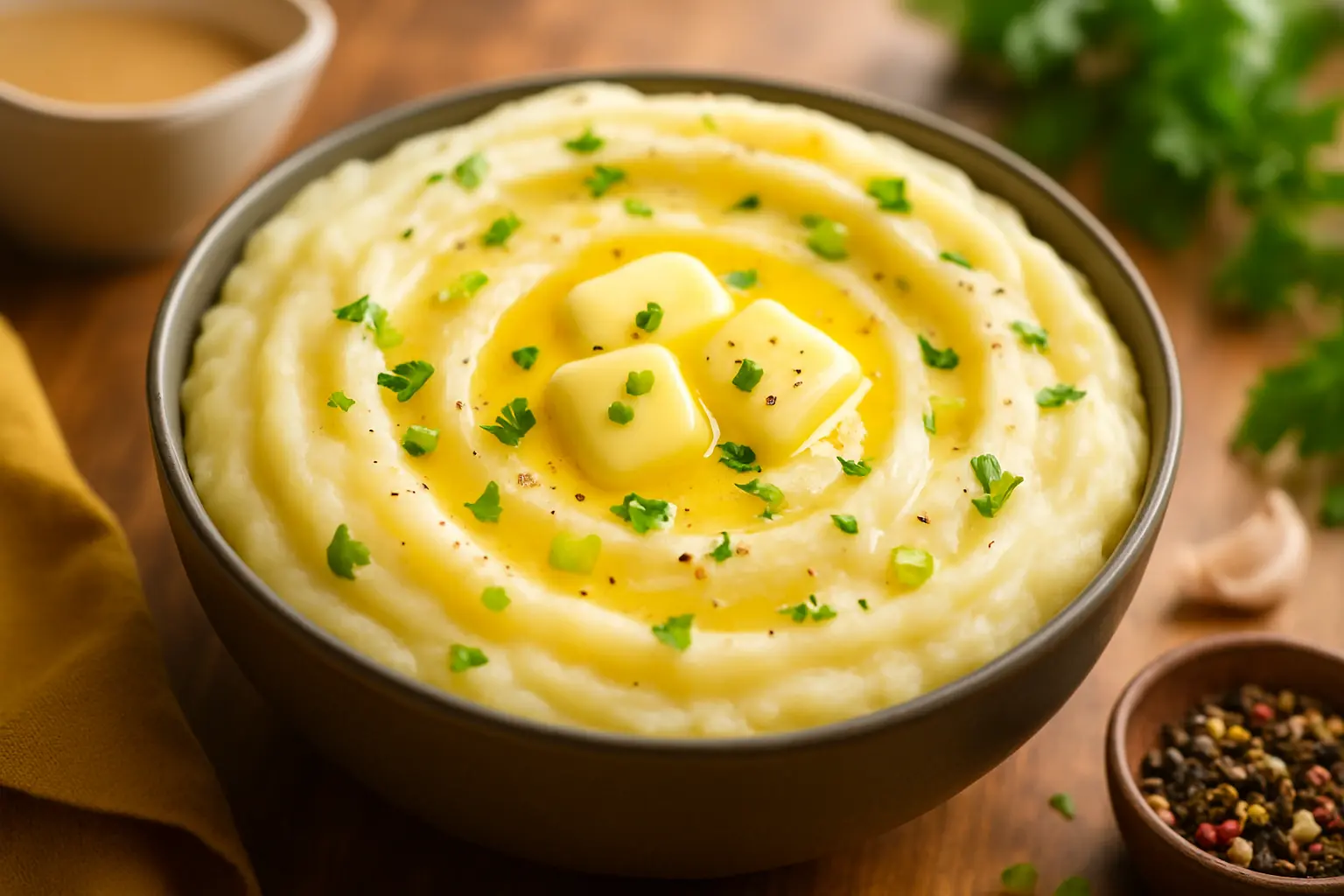
Not Potatoes or Rice: This Underrated Grain Accelerates Weight Loss and Keeps You Full
When we think of grains that dominate our dinner plates, potatoes and rice usually steal the show. But what if we told you there’s another, often overlooked contender that not only promotes satiety but can also be a real asset on your weight loss journey? Grab your forks and a dash of curiosity—let’s take a closer look at how this understated hero of the grain world can keep you satisfied and help you shed those stubborn pounds.
He thought he was rescuing a sheep—but it turned out to be something else
This bizarre French customer habit is driving shop owners crazy
The Power of Starchy Foods (And Why They’re Not All Villains)
Let’s start by getting the awkward question out of the way: what are starchy foods, exactly? In nutritional circles, “starchy foods” refers to foods loaded with starch—a complex carbohydrate famed for its slow digestion and absorption by the body. That’s why they’re nicknamed “slow sugars.” They give our muscles and brains the fuel they need, representing almost half our total daily calorie intake. Far from being diet demons, these foods are the backbone of our energy system, unless you enjoy the drama of an energy crash worthy of a soap opera!
- Cooked starchy foods provide roughly 100 calories per 100g.
- Cereal-based starchy foods like pasta, rice, couscous, and quinoa are generally sold raw at about 350 calories per 100g but triple in weight once cooked—so, good news for those who love volume on their plate!
But the key isn’t just counting calories: it’s about how these foods fuel us steadily over time. Their complex carbohydrates break down slowly, releasing energy gradually and helping to keep blood sugar levels stable. This isn’t just about feeling full; it’s about avoiding those snack attacks that can derail the best of intentions. According to Dr. Chicheportiche-Ayache, a nutritionist, eliminating starchy foods is absolutely not recommended, even on a diet!
Quinoa and Lentils: The Unsung Weight-Loss Champions
If you want to take your diet up a notch, don’t just focus on the starchy foods with the lowest calorie count—focus on their fiber content and glycemic index (GI) instead. These two magic numbers help determine how long you stay full and how quickly your blood sugar rises after eating, and they matter far more than calorie math alone.
- Lentils: 6g of fiber per 100g cooked and a super low GI of 25.
- Quinoa: 3.8g of fiber per 100g and a moderate GI of 53.
Both lentils and quinoa are not just rich in fibers, but also in plant proteins—a combo that delivers a powerful feeling of fullness. With their low glycemic indices, they keep your blood sugar level steady, which is a secret weapon against those hunger gremlins that whisper sweet nothings about cookies in your ear. Dr. Chicheportiche-Ayache highlights these as especially wise choices for anyone seeking to lose weight.
Don’t overlook whole starchy foods like wholegrain rice and wholewheat pasta, either. These options are richer in fiber and boast a low GI, earning their place at your table if you’re keeping an eye on the scale.
Not All Starchy Foods Are Created Equal
It’s not just what you eat—it’s how you prepare it. Starchy foods smothered in cream, cheese, or bacon-laden sauces (think: carbonara or cheesy pasta bakes) can end up with more calories from the sauce than from the base grain itself. The same goes for olive oil—healthy, yes, but two tablespoons pack as many calories as 200g of cooked pasta! And if you’re partial to fried starchy foods like French fries or roasted potatoes, be aware they’re loaded with fat and can seriously bump up your daily calorie intake.
Here’s where things get technical, but stick with me: the glycemic index of starchy foods actually goes up with longer cooking times. So, al dente pasta (about GI 50) raises your blood sugar less than soft-cooked pasta (upwards of GI 65). Potatoes are another story—water-cooked, they carry a GI of 70, but roast them and you’re at GI 95. The lesson: don’t overcook, and keep the sauces simple!
Smart Starch Strategies for Satiety and Slimming
So, how much should you eat? There’s no one-size-fits-all here—the ideal quantity depends on age, sex, body size, physical activity, and metabolism. Still, Dr. Chicheportiche-Ayache recommends:
- 150g per day for women who are moderately active
- 200g per day for moderately active men
More active or athletic types may need even more. If you want to get the most out of your starchy foods, try to eat them for lunch rather than dinner—this way, the energy gets put to use in the afternoon. However, if your physical activity peaks in the evening or early morning, a smaller portion at dinner is also just fine.
For anyone who deals with bloating or gas, it’s a good idea to limit the most fibrous and “complete” starchy foods, as well as legumes that might upset sensitive guts. Instead, opt for refined varieties—white rice (like basmati or Thai rice), pasta, semolina, or peeled potatoes.
To sum up: those overlooked grains and legumes—especially quinoa and lentils—pack a punch in the weight-loss department, keeping you satisfied for longer and helping you manage your blood sugar. Just watch your sauces and keep an eye on your portion sizes, and you’ll be well on your way to slimming success. Dinner, after all, is not just about what you eat, but how you treat your food—and yourself!
Similar Posts
- Cabbage Soup Diet: Fat-Burning Miracle or Just a Fad? Find Out!
- Nutritionists Agree: Diets That Truly Shed Pounds Follow This Simple Rule!
- This High-Protein Food Is Ideal for Burning Belly Fat
- Dietitian Reveals: This Hunger-Busting Veggie Reignites Weight Loss When All Else Fails!
- The Golden Rule for Eating Sugar Without Spiking Your Blood Sugar or Gaining Weight

Felix Marlowe manages Belles and Gals’ vibrant social media platforms. With expertise in social engagement and viral marketing, Felix creates content that sparks conversation and keeps followers coming back for more. From celebrity news to trending challenges, Felix makes sure our social media stays at the forefront of pop culture.


