
He thought he was rescuing a sheep—but it turned out to be something else
This bizarre French customer habit is driving shop owners crazy
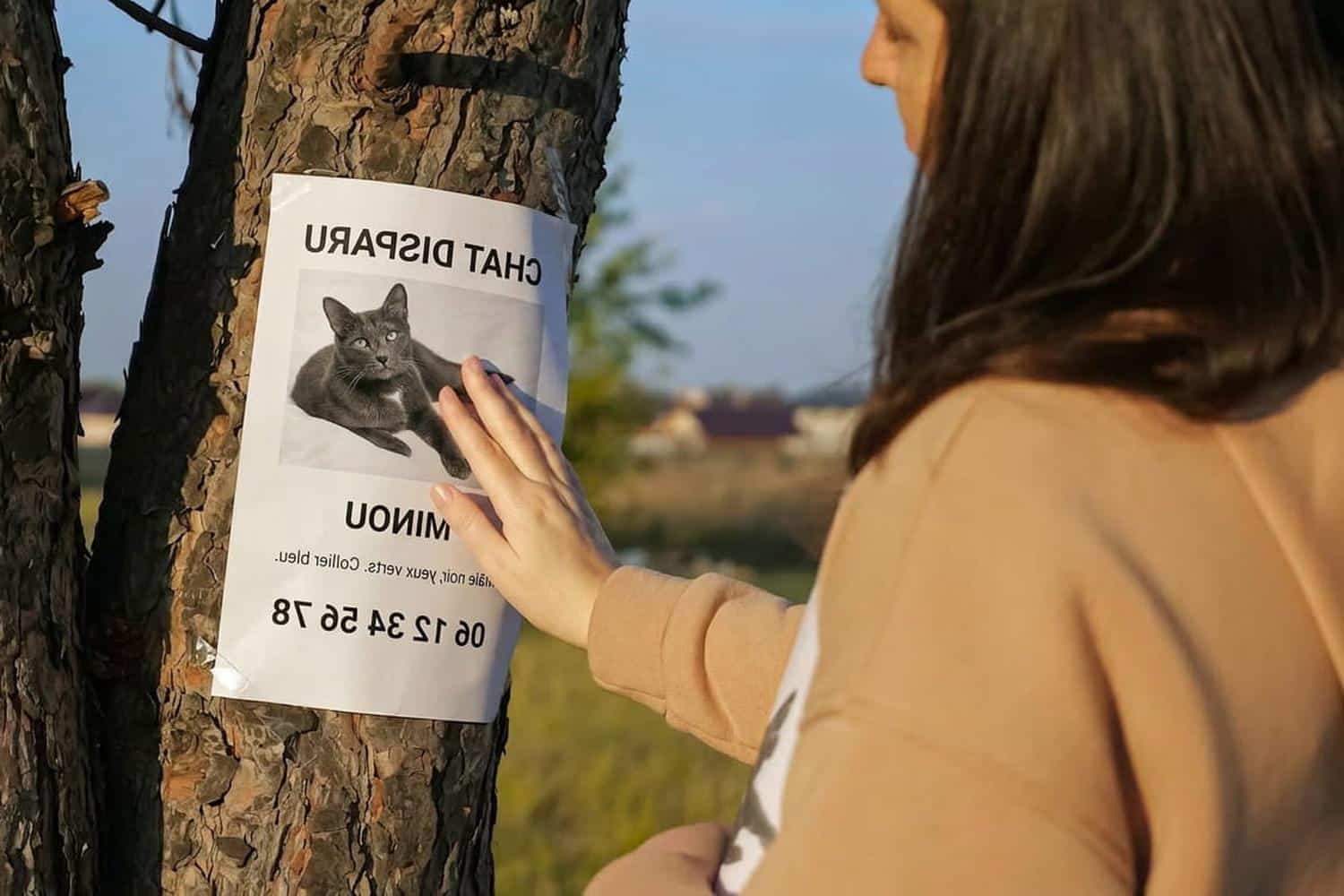
When your dog or cat goes missing, the first instinct is to post a lost pet notice, either around your neighborhood or on social media. However, this well-meaning act could backfire.
It’s every pet owner’s nightmare. A dog escapes, a cat doesn’t return home after its daily walk… and panic sets in. Our four-legged friends are more than just pets; they are truly members of the family. A 2025 Ipsos survey confirms this: 69% of Americans view their furry friends as full-fledged family members. Consequently, discovering their disappearance is a crushing moment. One imagines all sorts of scenarios, and the search becomes a race against time. “Missing Cat (or Dog)” posters are distributed around the neighborhood, and increasingly, on social media, where the potential to reach a broader audience is much greater.
Yes, it’s true, the internet has its advantages: more people are likely to see the missing pet notice and share it—especially if the pet has wandered away from the area where the posters were placed—and thus, the chances of finding your beloved pet significantly increase. However, this widespread sharing also comes with risks, and it’s therefore wise to be cautious when reporting your cherished animal’s disappearance. Scammers, who roam the web unscrupulously looking for vulnerable victims, can take advantage of this situation.
In a missing pet notice, you share not just the photo and name of the pet. Often, owners include their contact information to be easily reachable, and sometimes even the number of the pet’s identification chip or tattoo. Crucially, they also highlight the urgency of the situation. These details are a goldmine for fraudsters, who use them to send precise and targeted messages to these desperate victims. The scam is well-crafted: they pose as veterinarians, volunteers or employees at an organization, or simply as a good Samaritan who has found the animal. With the physical details and other specifics provided in the missing pet notice, their stories appear entirely plausible. Some even send photos as proof.
Then, the trap snaps shut by playing on the owners’ fears: their pet has been found injured, or taken in by a shelter demanding immediate fees. As you can imagine, even the most cautious may end up paying, blinded by the hope of quickly recovering their precious companion. Of course, one should never trust sources that seem to rush you into paying. Animal control or shelters may indeed charge fees, but never before you have personally retrieved your pet. Moreover, with artificial intelligence, photos can be falsified and generated using the one from your advertisement.
In short, it’s crucial to be cautious and ask the right questions to ensure that the person on the other end of the line has genuinely found your pet. Additionally, while it may be necessary to provide your phone number, it’s best to avoid sharing the full number of the pet’s chip or tattoo in the notice; a partial number may suffice for identification. Preferably use closed support groups, which tend to verify the identities of members more than open public groups, to publish your notice.
Similar Posts
- Living Apart Saved Their Marriage: “We Rediscovered the Joy of…”
- They forget to close their gate and find a surprise guest the next morning on their property
- What Does the Number “143” Mean That Young People Send Each Other on WhatsApp?
- 200,000 on Waitlist: This Perfume Brings Tears on First Sniff!
- Morning TV Shaken Up: Savannah Guthrie’s Mom Vanishes, Hosts Rethink Behavior

Felix Marlowe manages Belles and Gals’ vibrant social media platforms. With expertise in social engagement and viral marketing, Felix creates content that sparks conversation and keeps followers coming back for more. From celebrity news to trending challenges, Felix makes sure our social media stays at the forefront of pop culture.


