He thought he was rescuing a sheep—but it turned out to be something else
This bizarre French customer habit is driving shop owners crazy
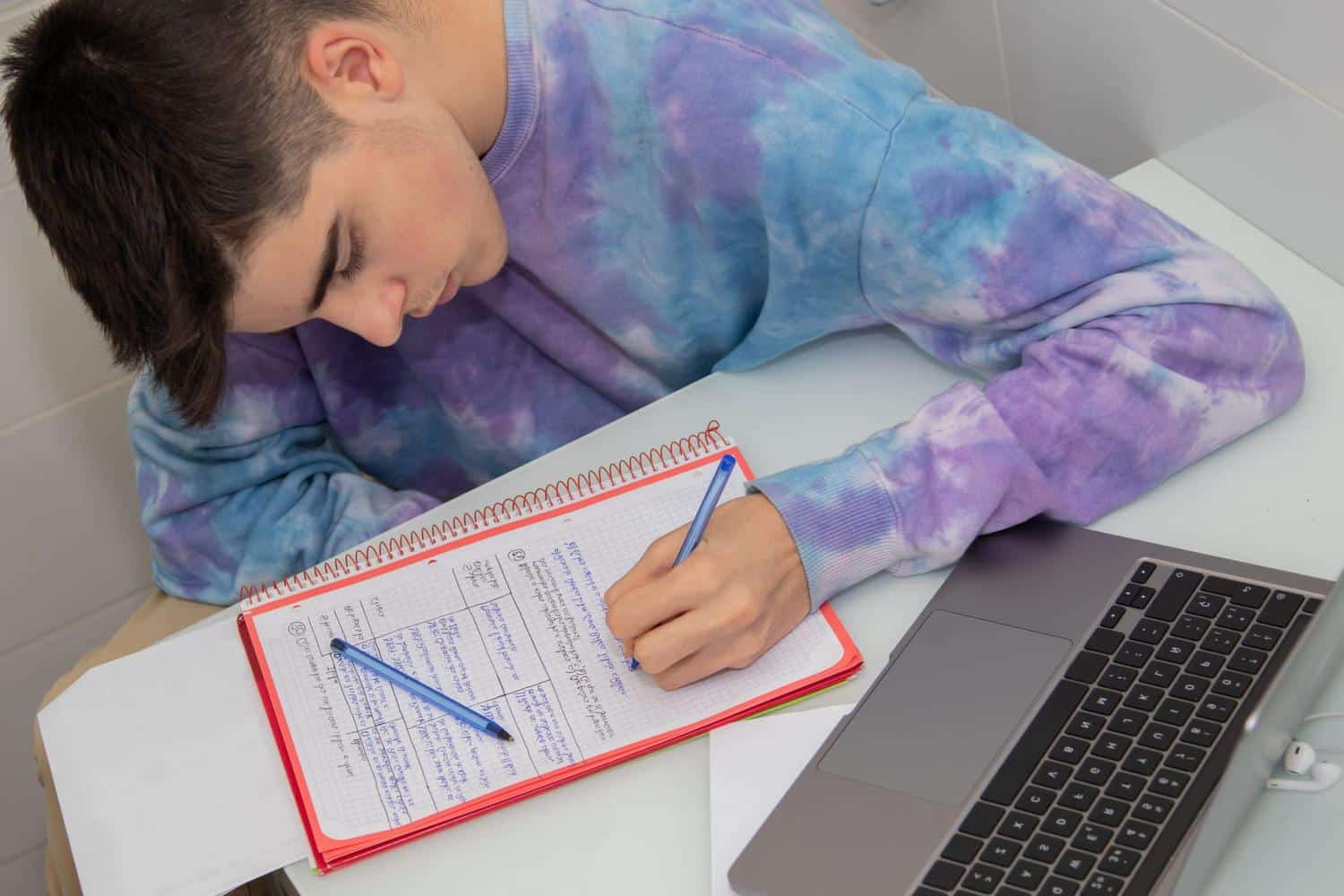
The countdown to the diploma and baccalaureate exams is on. To help your child prepare effectively during this crucial time, explore our straightforward method to structure their study plan and boost their confidence for the big day.
The diploma and baccalaureate exams are just around the corner, and many students are still figuring out how to organize their study time. Juggling stress and fatigue, it isn’t easy to devise a clear and personalized study plan. How can you schedule your revision? How do you prepare for an oral exam? What if you’re behind schedule? Here are some tips to help clarify these questions.
What Kind of Study Schedule Should You Implement?
Here’s an example of a customizable study schedule based on your strengths and weaknesses:
- Step 1: Review each lesson or chapter from the year, jotting down in a notebook anything you don’t understand for later review.
- Step 2: Create revision cards. These will help you retain key concepts more effectively. Use different colors to highlight major topics.
- Step 3: Study your cards out loud, especially if auditory learning suits you best.
- Step 4: Practice with past exam papers and exercises, honestly. Simulate real exam conditions to train your brain. After a mock exam, review your mistakes using the answer key and revisit the lessons if necessary. If some answers are still unclear, seek help from a teacher, classmate, or parent.
- Step 5: Continue practicing and regularly revisit your cards. Maintain a healthy routine: get enough sleep, eat well, stay active, and limit screen time to help stay focused and calm.
Adjust your revision to match your natural rhythm: if you work better in the afternoon, save the tougher subjects for then. And on the eve of the exam, stop studying. Cramming can create confusion. Instead, relax, rest, and engage in a pleasant activity to clear your mind.
How to Organize Last-Minute Revisions?
If you’re behind on your revision schedule, don’t panic: simply adjust your plan to fit your current situation. If you don’t have time to go over all your year’s lessons, skim through the main chapters and identify which ones you feel confident about and which ones need more work. Now, it’s time to prioritize.
Apply the 80/20 rule, based on Pareto’s principle: focus primarily on the 20% of the material that will count for 80% of your score (the sections with higher weight or frequently tested topics). Create more concise notes, and focus on active recall: given the time constraints, passive reading is deceptive. Instead, try the “blank sheet” method: read a course summary for 5 minutes, close it, and then write down everything you remember. This is one of the fastest ways to cement information. Never sacrifice sleep to squeeze in more study hours; a tired brain does not retain information well and is more prone to panic. During crunch time, opt for short, highly focused study sessions without your phone, followed by genuine restorative breaks.
Moreover, emphasize practicing actual exam questions. You can revisit past exam papers, all downloadable from the Ministry of Education’s website, which serve as perfect examples. If possible, set a timer to ensure you don’t exceed the allotted time on the actual exam day.
How to Prepare for an Oral Exam?
For both the diploma and baccalaureate exams, some subjects include an oral component, such as the Grand Oral or project presentation. To prepare, start by practicing at home with a typical question. First alone, then in front of family or friends to get used to public speaking. Then have them ask you questions, even tricky ones, to learn how to respond calmly, justify your choices, and articulate your thoughts clearly.
Also consider recording yourself to identify areas for improvement: hesitations, speech tics, speaking too fast or too slow. With each trial, replicate the actual exam conditions: adhere to the allotted time, speak in a formal tone, maintain eye contact, and adopt a confident posture. Additionally, on the day of the oral exam, the panel might ask you a current events-related question. To stay informed, you can read news articles, use apps, or follow social media accounts like Hugo Décrypte or Stay Current, which explain current events in simple terms. And that’s not all…
Several TikTok accounts have also become go-to resources. Among them, @ines.maths and @lucasmaths4 offer clear explanations in mathematics, while @les.strateges and @carolinegiraud make philosophy more accessible through educational videos on key concepts and methods. @yanntoutcourt explores various topics to help master history and geography and improve written responses. These engaging and educational contents provide alternative learning methods. The key is to find the approach that best suits each student.
Similar Posts
- Ace the 2026 Philosophy Exam: Dates, Scoring Criteria & Essential Tips Revealed!
- Ace Your Bac Exams! Key Dates and Top Tips to Maximize Your Score
- French Baccalaureate 2025: Key Dates, Oral Exam, What Works Are Included?
- Bac’s Grand Oral Exam Date and Scoring Criteria Revealed!
- Math Teacher Predicts Hot Topics Likely to Appear on the Bac Exam!

Felix Marlowe manages Belles and Gals’ vibrant social media platforms. With expertise in social engagement and viral marketing, Felix creates content that sparks conversation and keeps followers coming back for more. From celebrity news to trending challenges, Felix makes sure our social media stays at the forefront of pop culture.