
NASA issues chilling warning: life on Earth won’t be possible after this date
This bizarre French customer habit is driving shop owners crazy
In schools, it is noticeable that some children quickly grasp instructions, participate actively, and are very comfortable with stories and words. Teachers often point out a common trait among these students.
From kindergarten, differences among students become apparent. Some children eagerly raise their hands, articulate their thoughts effortlessly, and keep up with the class pace without difficulty. Others might need a bit more time to adjust. Teachers witness these variations every year. While these observations don’t predict a child’s academic success, they provide early insights into their comfort with language and their approach to learning.
What also stands out to educators is the behavior of certain students during activities. They are curious, ask questions spontaneously, and strive to understand explanations. They readily share their thoughts, easily connect new information with what they already know, and engage eagerly in discussions. When a teacher tells a story or initiates a discussion, these students stay focused throughout and follow the narrative smoothly.
Experts like Sarah Calzone, director of the early childhood education program at Post University, also notice that these children have a stronger command of language: “They develop better oral language skills, a broader vocabulary, greater listening stamina, and deeper general knowledge.” This enhances their ability to comprehend instructions, narrate experiences with more detail, and explain their thinking more clearly.
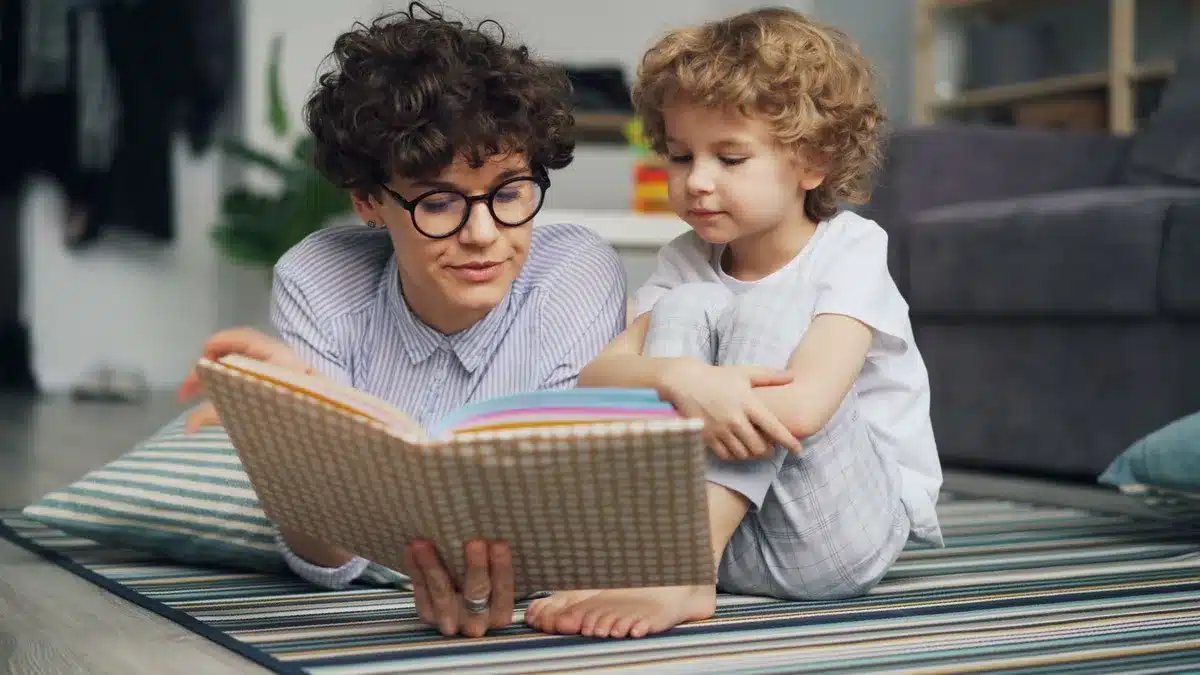
The common practice among these students is regular reading. Whether alone or with an adult, experts recommend starting to read from an early age, even if it’s just a few minutes each day. Tiffany Ohlson, an assistant professor of education sciences at Flagler College, told HuffPost that “consistency is more important than the length of each reading session”. And reading shouldn’t necessarily stop once a child can read independently. Continuing to share stories through elementary and even middle school helps them learn new words, engage with more complex texts, and explore topics they might not choose on their own.
However, specialists urge caution. No two children follow the exact same developmental path. Language development varies from one student to another, as does the environment in which they grow up. Some children are raised in bilingual homes, while others might have had fewer opportunities to develop their language skills before starting school. There are also learning disorders, such as dyslexia, that can make reading difficult, even with highly involved parents.
Similar Posts
- Teacher’s Classroom Photo Ignites a Buzz Across Social Media Platforms
- 10 Years Later, I Earned a PhD: Life Lessons from Students Dismissed by National Education
- This Ancient Game Loved by Grandparents Boosts School Performance!
- Teacher’s unexpected classroom photo sparks online frenzy
- “I’m a Teacher, and These Are the Parent Phrases I Can’t Stand Anymore”

Felix Marlowe manages Belles and Gals’ vibrant social media platforms. With expertise in social engagement and viral marketing, Felix creates content that sparks conversation and keeps followers coming back for more. From celebrity news to trending challenges, Felix makes sure our social media stays at the forefront of pop culture.