
NASA issues chilling warning: life on Earth won’t be possible after this date
This bizarre French customer habit is driving shop owners crazy
Many discover too late that during the settlement of an estate, some social benefits may need to be repaid, thus reducing the inheritance amount.
Dealing with an estate is always a challenging time, not just because of the grieving process, but also due to the myriad of complications that can arise, such as disputes among heirs or the hefty sums that might be due. While many are aware of expenses like attorney fees or estate taxes, other less obvious costs can suddenly emerge when the government demands them. Examples include partition rights, or even less known, the repayment of social benefits.
Indeed, when an estate is opened, the executor will consult with the county council and pension funds to check for any outstanding claims. Should there exist any, the authorities can demand repayment from the beneficiaries, even years later: they have a five-year period after the estate declaration… which can lead to very unpleasant surprises, particularly if the inheritance has already been spent. However, not all social benefits are subject to this, and the recovery also depends on the value of the estate.

Some benefits are provided as advances and must therefore be repaid. The county can claim these from the living if the beneficiary’s financial situation has improved, or otherwise, they can demand repayment from the heirs, someone who received a gift, or a life insurance beneficiary. In the context of an estate, the government can reclaim funds disbursed if the net assets (that is, the total value of the estate minus the deceased’s debts) exceed $46,000, and only for the amount that surpasses this threshold. “Home social aid, medical home care, specific dependency benefits, or daily package charges can be recovered,” states the Ministry of Labor and Social Affairs. This applies to all expenses over $760.
Additionally, the county can also pursue recovery of social assistance for housing (ASH), granted to cover costs like those of a nursing home, without this $46,000 threshold. It is recoverable from the first dollar of net estate assets. Other nuances include the Old Age Solidarity Allowance (Aspa), which the government can claim only if the net estate assets are equal to or greater than $108,585.14 in 2026 (or $150,000 for residents of overseas territories). In this case, the recovery cap is set at $8,463.42 for a single individual and $11,322.77 for a couple. Conversely, the personalized autonomy allowance (APA), the allowance for disabled adults (AAH), the disability compensation benefit (PCH), the active solidarity income (RSA), or the additional disability allowance (ASI) are not recoverable.
Typically, this recovery of social benefits occurs before the distribution among heirs… if the agencies have responded to the notary’s request in time. “They sometimes respond very late. We’ve encountered situations where more than six months after the death, it was discovered that a benefit was recoverable, even though the estate had already been settled. The heirs had sold the real estate and divided the proceeds. More than a year later, they had to arrange a payment plan to repay the demanded sums,” explains Master Véronique Dejean de la Bâtie, a notary, to Capital.
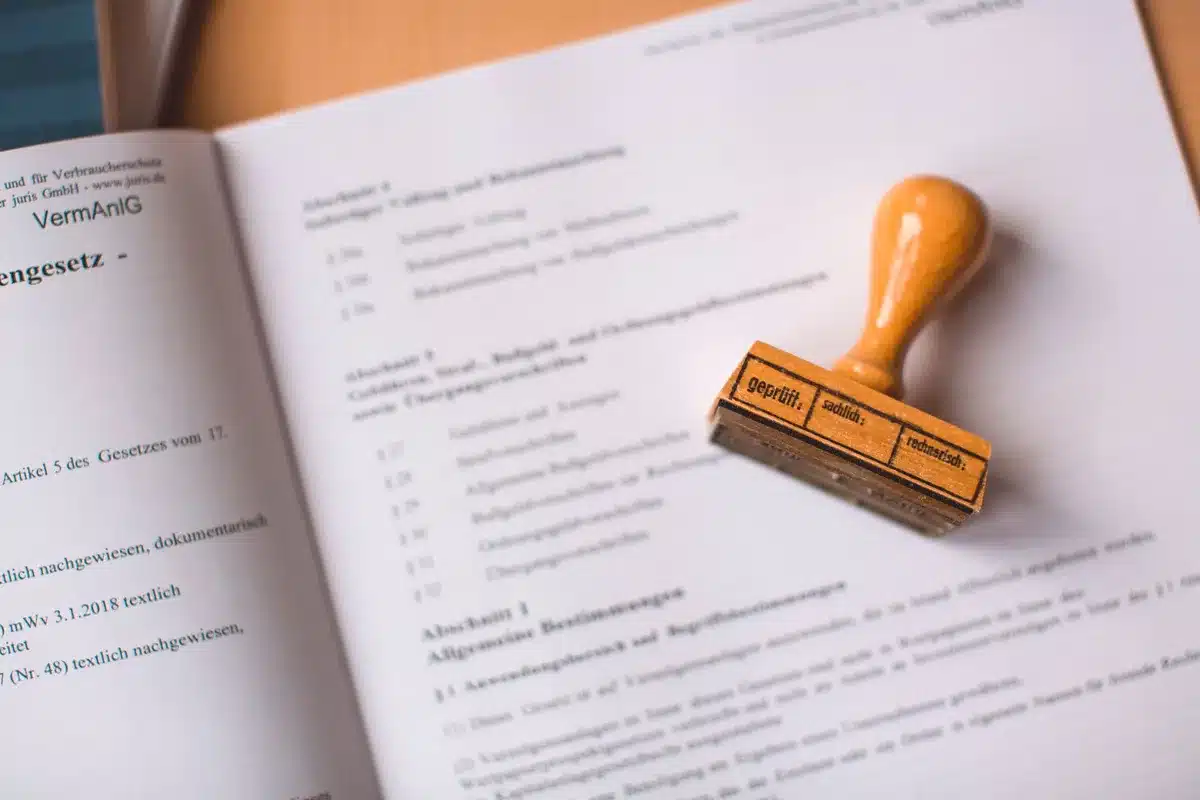
It’s important to note that if the estate assets do not cover the amount of aids to be repaid, the heirs are not required to pay out of their own funds. And in the case of specific bequests where heirs receive “a determined item,” like a car for instance, the claim is limited to the value of that specific bequest. All these subtleties are worth knowing to avoid a cold shock at the worst possible time.
Similar Posts
- Cracking Down on Family Benefit Fraud: What You Need to Know
- Everything You Need to Know About Family Support Payments: Eligibility, Amounts, Duration!
- Christmas Bonus 2024: How Much Will Parents Receive in December?
- Get Up to $5,000 for Your Car with This Little-Known Financial Aid from CAF!
- 2025 Moving Bonus: Who’s Eligible for the Cash? Find Out Now!

Felix Marlowe manages Belles and Gals’ vibrant social media platforms. With expertise in social engagement and viral marketing, Felix creates content that sparks conversation and keeps followers coming back for more. From celebrity news to trending challenges, Felix makes sure our social media stays at the forefront of pop culture.