
NASA issues chilling warning: life on Earth won’t be possible after this date
This bizarre French customer habit is driving shop owners crazy
How can you support your child as they transition to a new school and help them adapt? Here are some tips from Christine Brunet, a psychologist.
Switching schools at the beginning of the school year, during the year, or following a move is a significant event for a child, regardless of their age. Many children dread attending a new school, adapting to different teachers, and making new friends. They are entering an unfamiliar environment. Parents thus play a crucial role in helping their children envision their new school life and integrate into the new school setting. Christine Brunet, a psychologist and psychotherapist, shares her advice.
How to Prepare Your Child Before They Start at Their New School?
To prepare your child for a school change, it’s wise to show them the school beforehand, its location relative to home, and nearby shops. “A tour of the new neighborhood can provide familiar landmarks like the bakery or the stationery shop. To build their confidence, parents can also share their own experiences: ‘I moved when I was a kid, and this is how it went for me,'” explains Christine Brunet. Meeting with the head teacher and the school principal can also be beneficial for the child to associate names with faces.
How to Support Your Child on Their First Day at a New School?
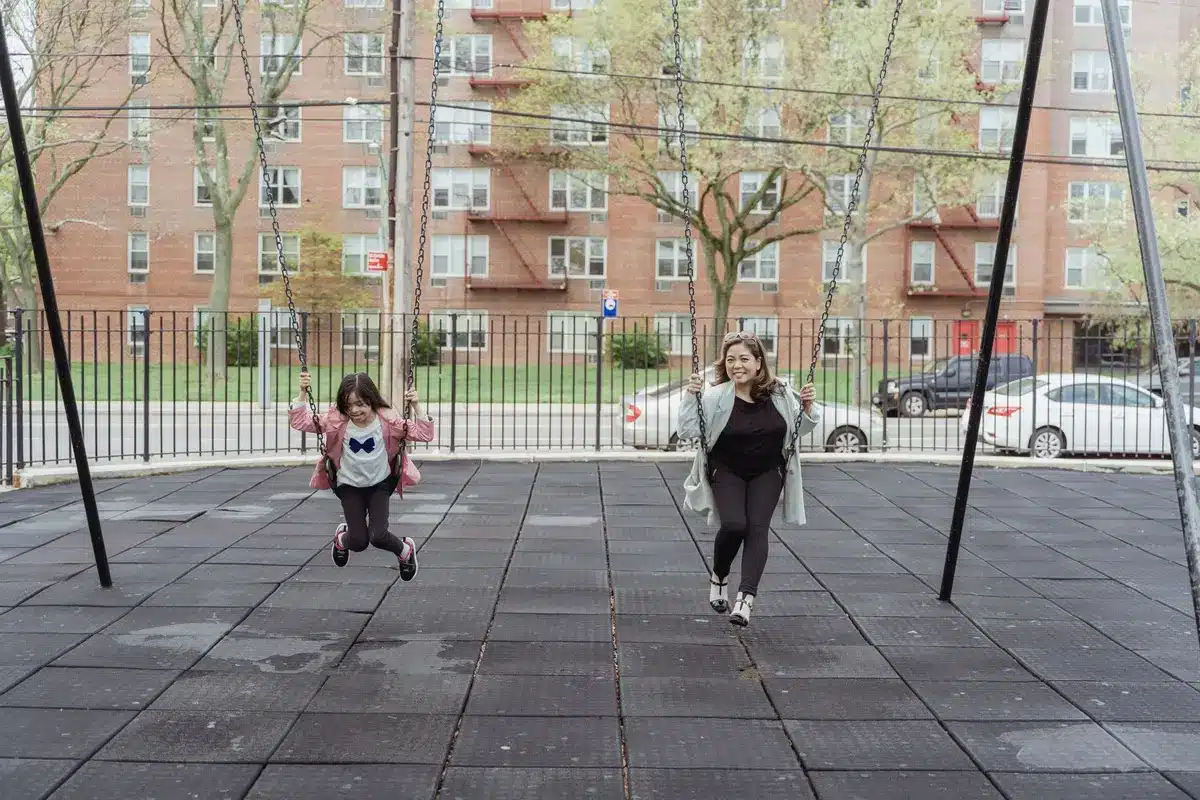
The first day at a new school can be nerve-wracking for many children. To support them, it’s best if both parents, or at least one, accompany them to their new school. If your child is older, you might drive them up to their middle school or high school. Ideally, meeting the teacher on the first day and introducing your child if it hasn’t been done already can also help.
How to Help Your Child Integrate into Their New School?
When changing schools, it’s vital to support your child. The first week can be particularly stressful, so try to ease the situation by noting if your child seems anxious and accepting their small outbursts. If possible, “make time to drop off and pick up your child from school initially. They will need some time to adjust to their new surroundings,” the expert details.
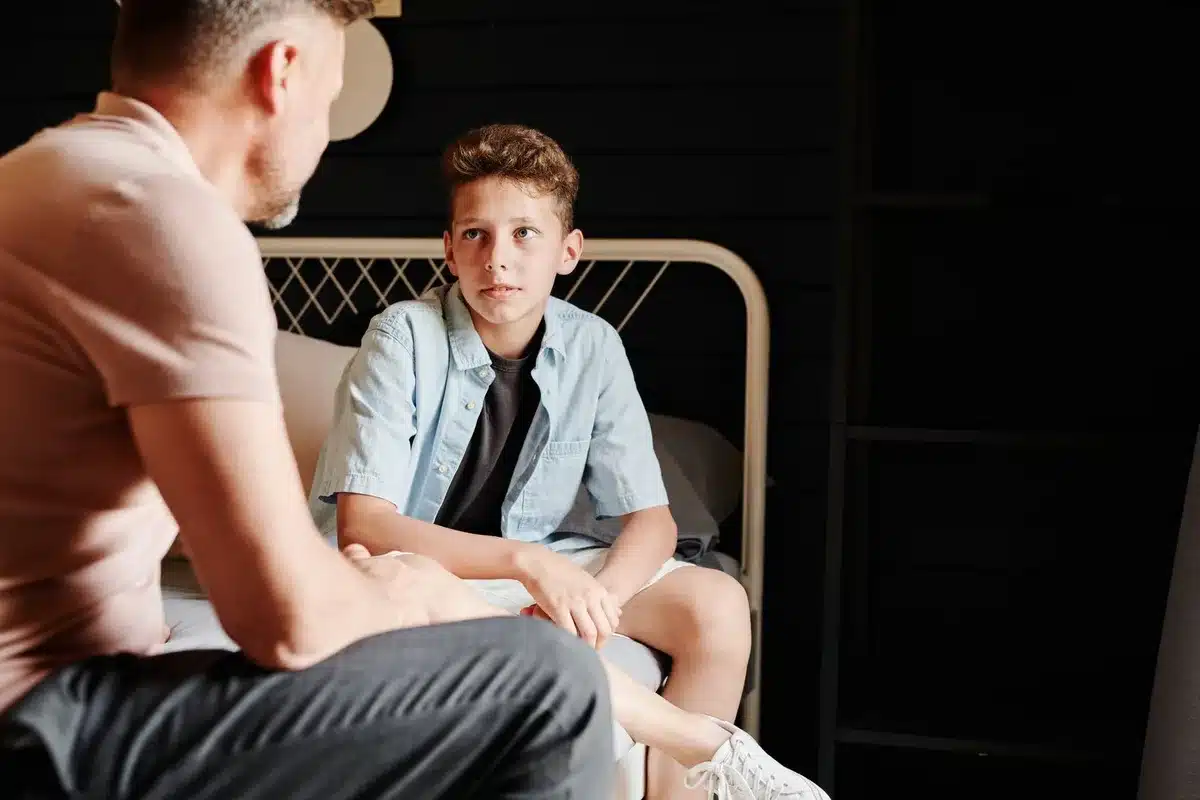
To understand how your child feels about their new school, parents can ask about their day in a positive way. “‘I met someone new at the office today… Something interesting happened…’ It’s a way to segue into asking them: ‘What did you enjoy about your day? What bothered you?’ It’s crucial to approach these conversations with kindness without being too intrusive,“ emphasizes the psychologist. If they’re not ready to talk to their parents, they might feel more comfortable speaking with another family member like grandparents, a cousin, or a godparent.
Is Changing Schools More Difficult After Moving?
When changing schools after moving, “the child might feel uprooted, although some adjust quite well,” states the expert. A move can often be stressful for parents, which in turn can make it anxiety-inducing for children. This also depends on the circumstances, such as moving due to a divorce or a new job. “To help your child embrace this life change, it’s wise to emphasize the positives of both the move and the school change. If parents are gloomy, sad, and resistant, it will be harder for the child,” notes the psychologist.
School Change and Exception: How to Proceed?
To change your child’s school for the upcoming school year or mid-year, parents must follow a procedure and apply for a school exception. Here’s our complete guide to the necessary steps.
How to Help Your Child Cope with Leaving Their School Friends?
If your child struggles with the idea of leaving their school friends, parents can try to find ways to soothe them. Explain that they can still visit them on weekends, if they’re not too far away, or during school holidays. And with today’s technology, staying in touch is easier than ever! Parents should reassure their child that it’s possible to meet up with their friends again. Additionally, avoid asking too many detailed questions after school like, “Have you made any friends? How many? What did you do with them?” These questions can be too precise and intrusive. Depending on the child’s age, why not organize a welcoming party or get-together to help them make new friends? Joining extracurricular activities can also facilitate integration.
Similar Posts
- Is Your Child Always Glued to Their Partner? Expert Advice to Avoid Isolation!
- Is Your Child Scared of School? Signs of School Phobia Revealed!
- Teachers Reveal: The Key Phrase to Tell Your Child on Their First Day of School
- School Insurance Secrets: What It Really Covers & Is It Mandatory?
- How to Help Your Child Make Friends: Essential Tips for Parents

Felix Marlowe manages Belles and Gals’ vibrant social media platforms. With expertise in social engagement and viral marketing, Felix creates content that sparks conversation and keeps followers coming back for more. From celebrity news to trending challenges, Felix makes sure our social media stays at the forefront of pop culture.