What if a simple movement, used for years in traditional Japanese medicine, could give your metabolism a boost? A closer look.
NASA issues chilling warning: life on Earth won’t be possible after this date
This bizarre French customer habit is driving shop owners crazy
A few steps can change your whole day. For decades in Japan, people have incorporated a small, specific exercise into everyday life to help maintain metabolism and age more healthfully — a habit worth noting, since Japan ranks among the countries with the longest healthy life expectancy, according to the World Health Organization.
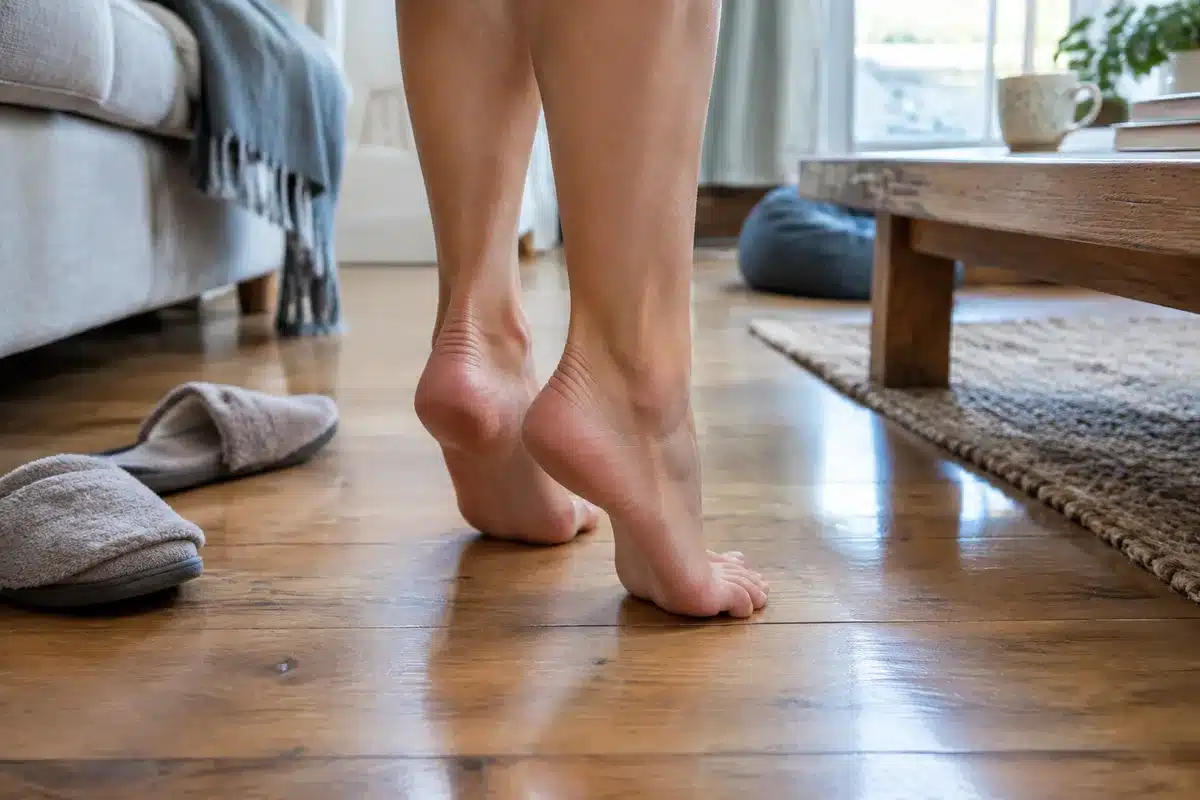
In her book The Seven Habits of Takimika, Mika Takishima — reportedly the oldest active coach in Japan — says she often walks around her home on her toes. She points out that just taking five or six steps like this can make a noticeable difference in your legs over the years. That simple movement strengthens the calves and the deeper supporting muscles while also improving balance. This practice comes from Japanese physiotherapy approaches that encourage tiny daily movements to counteract sedentary behavior and preserve vitality as people age. The calf, especially the soleus muscle, is seen as an essential venous pump — a kind of “second heart.” When it contracts, it squeezes veins and helps push blood back toward the heart, improving overall circulation. In the Japanese tradition, rising onto the forefoot or half-toes is valued for maintaining independence and balance with age, reducing fatigue, and staying active without feeling like you’re exerting yourself.
In 2022, Professor Marc Hamilton of the University of Houston examined this movement more closely. His research highlighted three notable benefits: the exercise lowers blood glucose levels, helps moderate post-meal insulin spikes, and even encourages the body to use fat as fuel. That’s partly because the soleus differs from many other muscles — it doesn’t primarily depend on stored glycogen. Instead, it taps directly into circulating glucose and blood lipids for energy, allowing it to work continuously without tiring quickly.
When practiced over an extended period, this simple routine can cut the post-meal blood sugar spike by about 52% and reduce excessive insulin response by roughly 60%, while also roughly doubling fat metabolism. There are several easy ways to do it: walk on your toes around the house, or perform about thirty rises onto your toes (half-pointes) either standing or even seated. It’s an especially convenient exercise to do right after lunch at the office.
Similar Posts
- Quick Seated Exercise Burns Fat, Regulates Blood Sugar After Meals!
- This Ancient Japanese Drink Burns Belly Fat Like Magic
- “Walk Right After Eating to Burn More Fat”—Experts Reveal the Optimal Timing for Weight Loss
- Weight Loss: The Best Sport to Burn Belly Fat After 50
- Everyone Does This Without Realizing—The Top Physical Activity for Staying Fit

Ellis McDowell is a trend analyst with a sharp eye for spotting the next big thing in entertainment. With years of experience in digital media and trend forecasting, Nora tracks the movements of influencers, viral content, and entertainment trends. Her insights help shape the stories that captivate our audience.