NASA issues chilling warning: life on Earth won’t be possible after this date
This bizarre French customer habit is driving shop owners crazy
With artificial intelligence advancing, scams are getting much harder to detect. Leyla Bilge warns: “we’re going to see far more highly personalized scams” within the next two years.
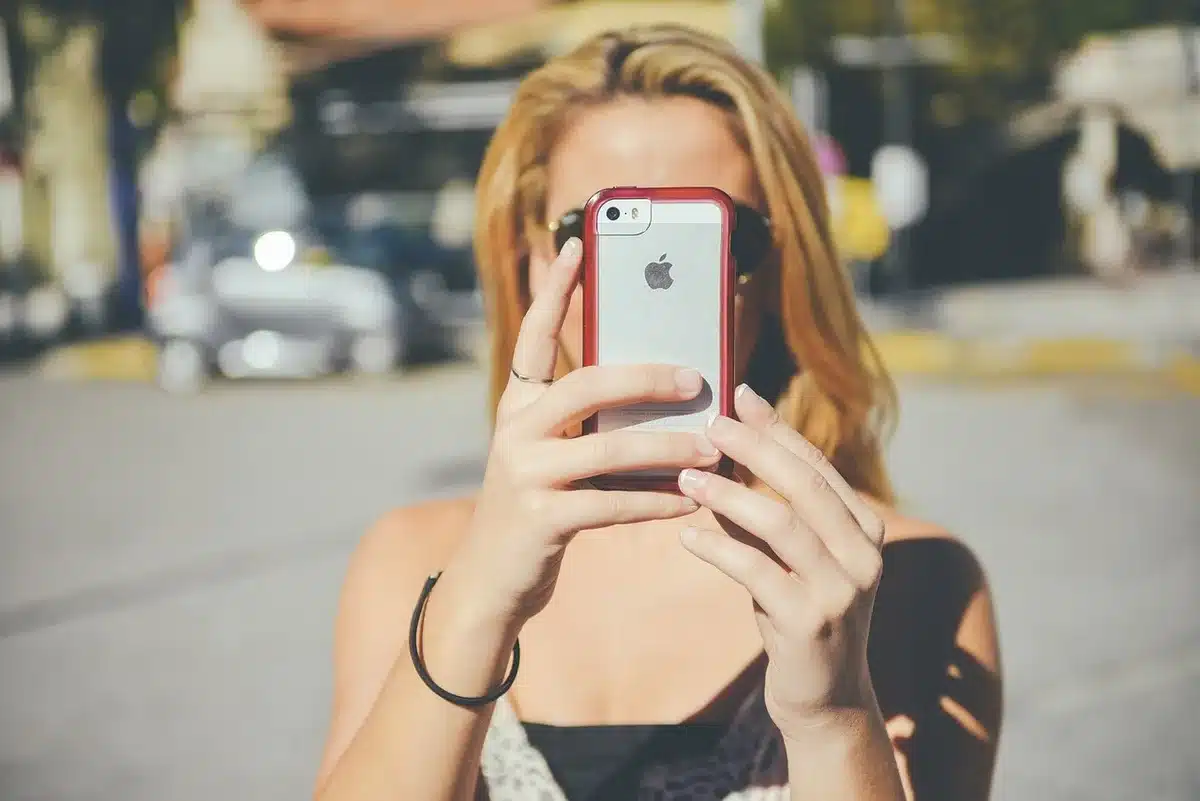
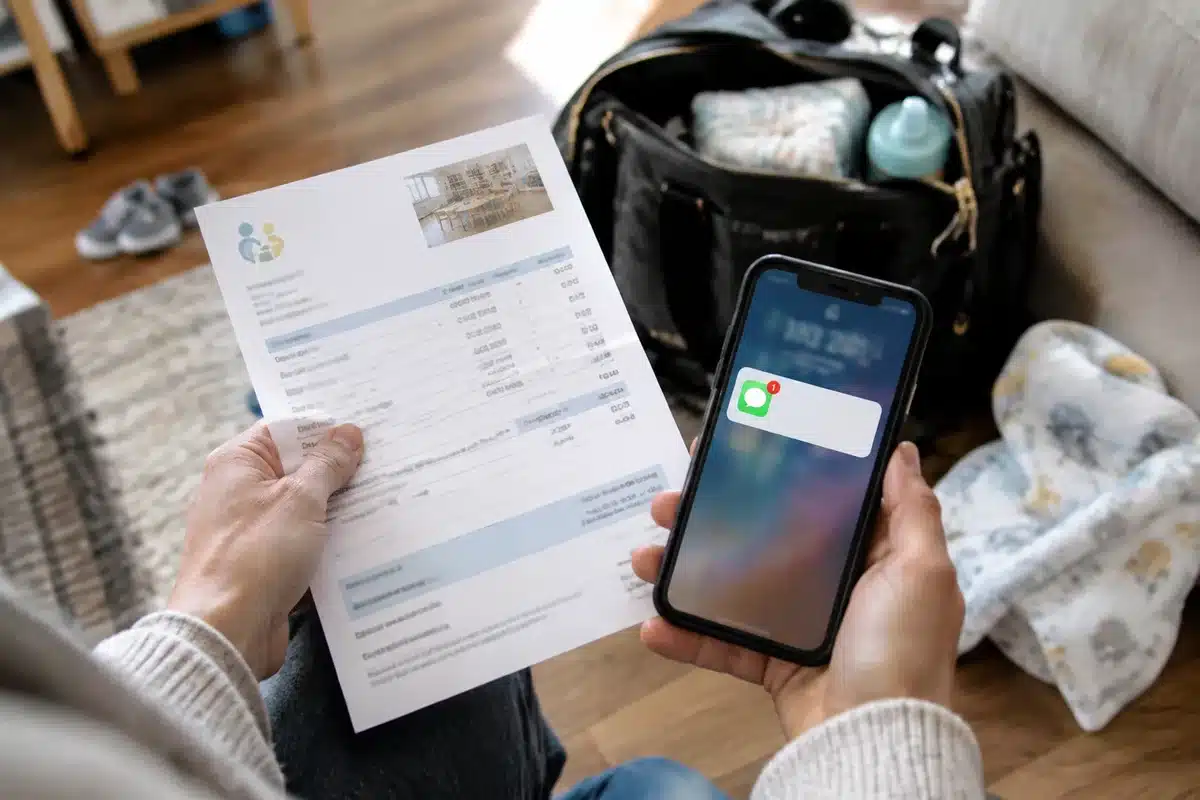
Scams are growing increasingly sophisticated and tailored to their targets. Since generative AI became widespread, fraud has jumped by about 80%. Their success stems largely from how difficult it is now to tell a scam or a fraudulent caller apart from a legitimate one. We’re already seeing near-perfect fake websites that mimic French institutions, but attackers don’t stop there — they use more advanced techniques to harvest personal data and empty victims’ bank accounts. “In two years, we’ll see a lot more hyper-personalized scams. Thanks to artificial intelligence, cloning someone’s voice or face has become really easy,” Leyla Bilge, head of scam research at Avast, tells us.
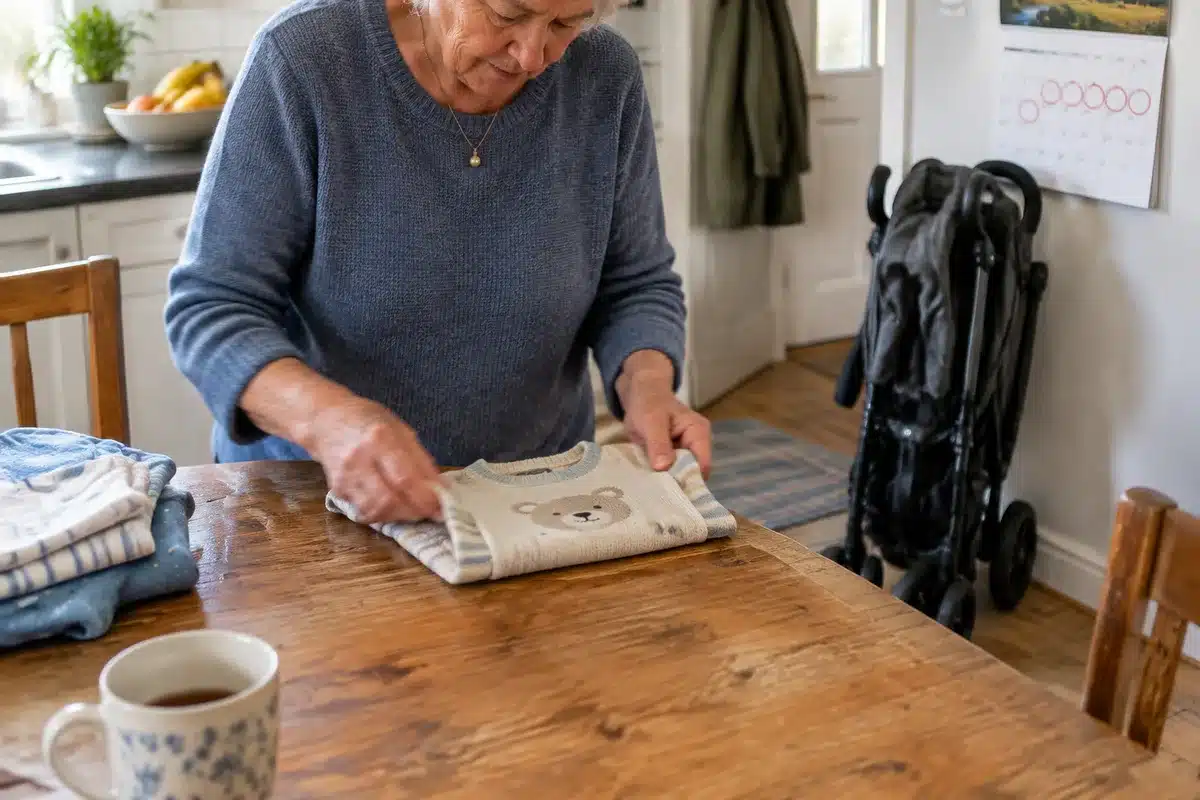
All it takes for a fraudster is to find a story or a clip someone posted on social media where the person speaks to the camera. Imagine a scammer calling a grandmother pretending to be her grandson and urgently asking for money. How will anyone tell a deepfake from the real face or voice of a family member? A report on AI-driven identity fraud shows victims and law enforcement are increasingly struggling to spot these scams: one in three fraud attempts that involve AI succeeds.
As with every scam, Leyla Bilge stresses the basic precautions to remember, since fraudsters tend to reuse the same scenarios that “exploit the victim’s fear, sense of urgency, and trust”. The expert points out that banks will not ask for personal details over the phone or via text message, and if you’re unsure, you should “pause, take the time to verify the information, and if necessary hang up and call back to confirm you’re speaking with the right person,” she advises.
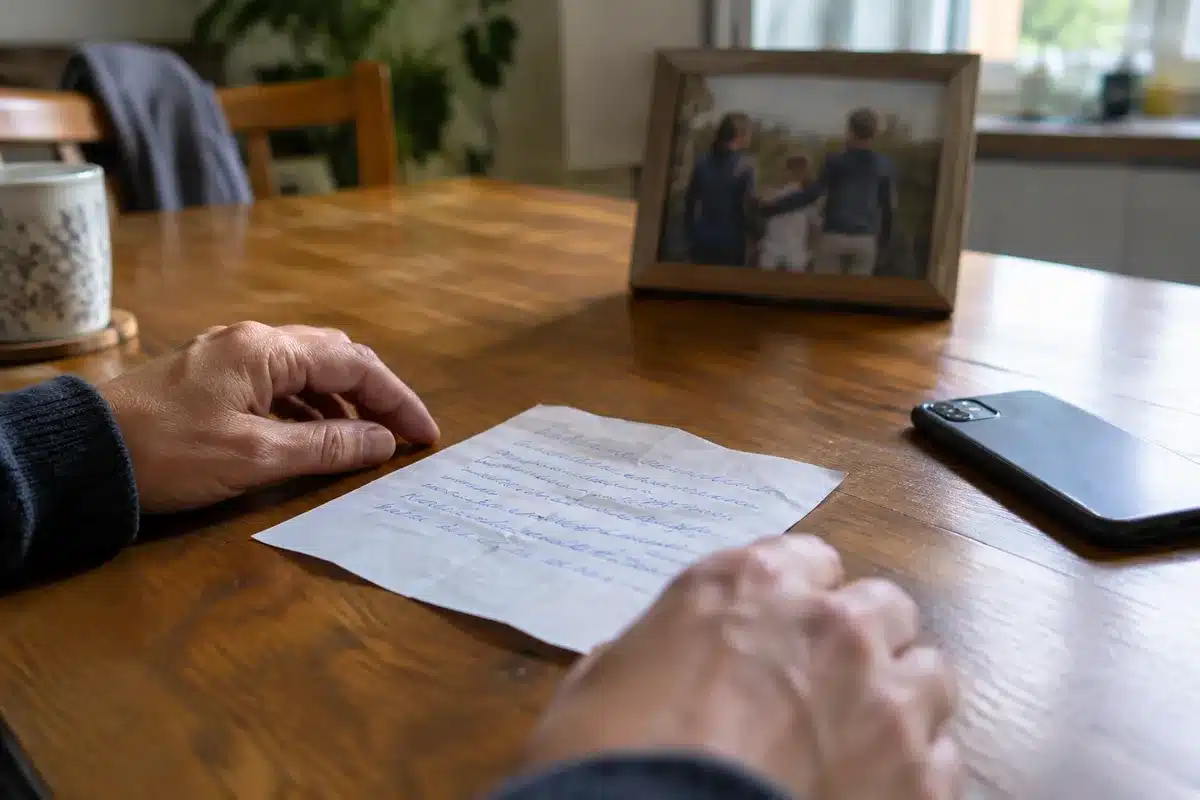
But Bilge says there’s one measure “every family should adopt right away.” That is establishing a family secret code that isn’t a birth date, address, or any other easily shared detail scammers could find. “It should be something specific to the family — maybe a commonly used phrase, a private way of speaking, the dog’s nickname, or another little secret,” she recommends.

When technologies can mimic almost anything perfectly, the best protection remains everyday caution. By talking about these risks regularly with relatives and staying alert to any unusual message or request, you help shield every family member, no matter their age.
Similar Posts
- Beware! This Hyper-Realistic Personalized Text is a Crafty Scam
- What is “vishing”, the latest phone scam designed to take control of your bank accounts?
- Stop Phone Scams Instantly: This One Sentence Makes Fraudsters Hang Up!
- 18 Million Americans Could Receive This Scam Message Soon!
- Beware of This Two-Step SMS Scam: Learn How to Spot It Now!

Felix Marlowe manages Belles and Gals’ vibrant social media platforms. With expertise in social engagement and viral marketing, Felix creates content that sparks conversation and keeps followers coming back for more. From celebrity news to trending challenges, Felix makes sure our social media stays at the forefront of pop culture.