NASA issues chilling warning: life on Earth won’t be possible after this date
This bizarre French customer habit is driving shop owners crazy
When Laura started fostering cats for animal protection groups, she feared the day her temporary charges would leave for their new homes. Besides the pain of saying goodbye, she discovered other challenges that were even harder than she expected.
Many animal welfare organizations rely on foster families. These volunteers take in one or more animals and care for them until a permanent home is found. Laura decided to try fostering a few years after she had herself adopted a cat from a foster family. “I wanted to be involved with a group, but I don’t have the time or energy to help with drives, trapping, and similar activities,” she tells us. “Bringing animals into my home is the best way for me to help and give them a real chance to find a forever family.”
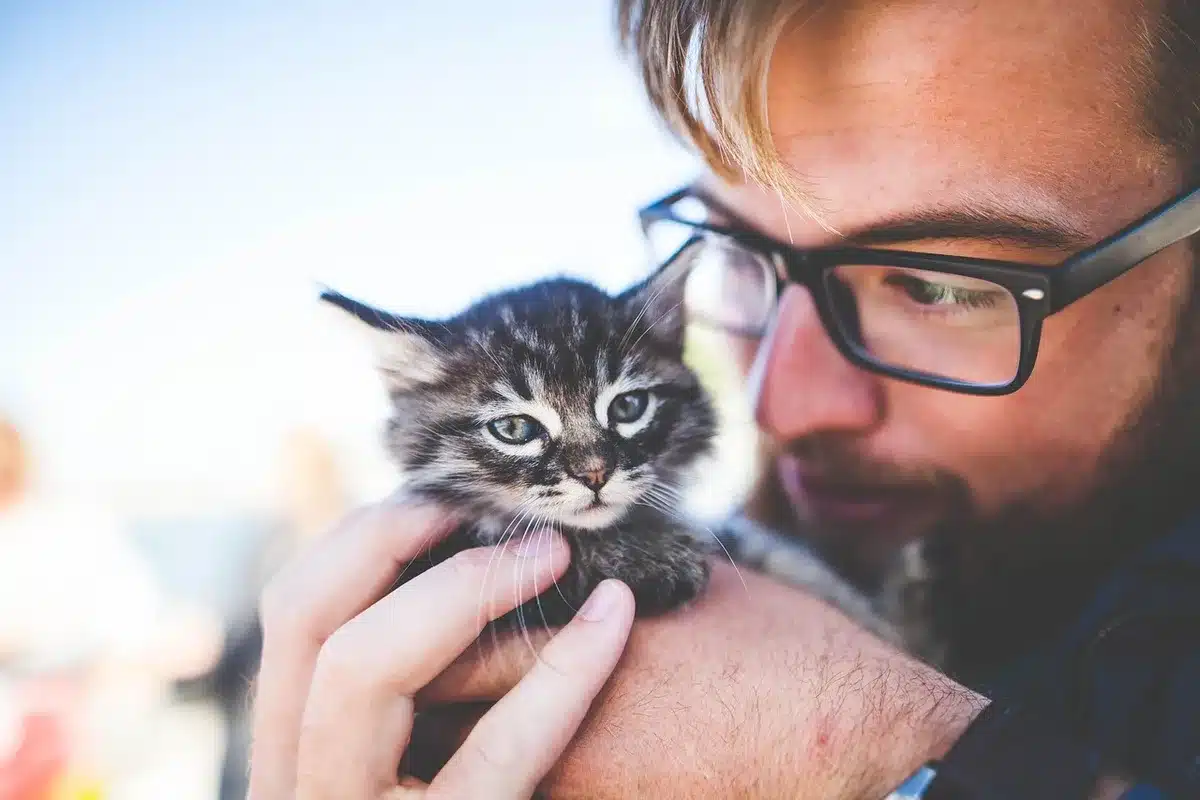
She didn’t make the choice lightly. Having lived with cats her whole life, she understood what caring for felines requires, including the extra work when they’re sick, injured, or need socialization. Her main worry, though, was different. “I love cats and I know you can get attached so quickly,” she says, “so my biggest fear was not being able to let them go or becoming really sad when they left.”
“I talked it over with the coordinator of the shelter I joined beforehand,” Laura continues. “She was honest with me: it can be tough. But there’s also the happiness of knowing the cat has found its own family, and the other volunteers are there to support you.” That conversation convinced her to give fostering a try, though she still had reservations. After several years of doing it, she admits: “Yes, I always feel a tug at my heart when one leaves—sometimes stronger depending on how bonded we are. But that feeling is nothing compared to knowing the cat finally has a permanent home and will receive all the love it deserves. It’s incredibly rewarding to see the joy on the adoptive family’s face when they come to pick them up. We also do follow-ups, so I get updates at the beginning and I know the cat is being spoiled and is adjusting.”
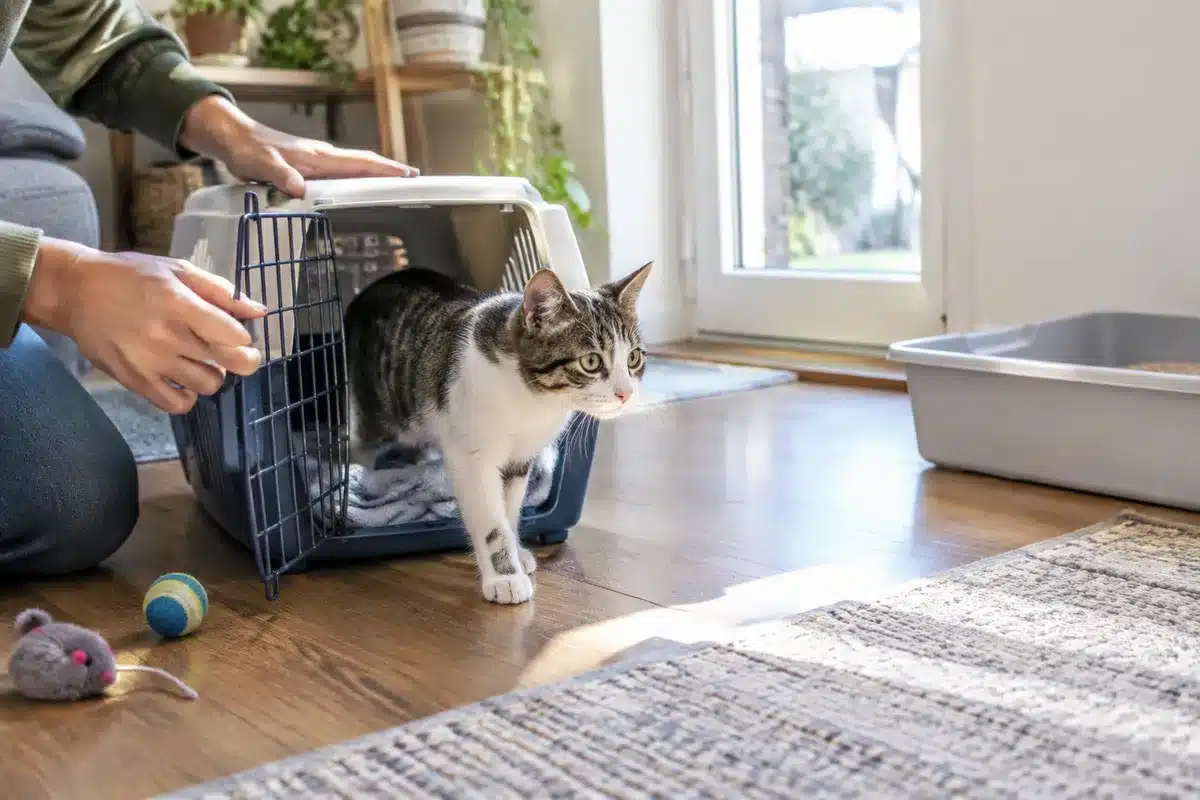
To her own surprise, it isn’t the goodbyes she finds the hardest part of fostering. Instead, it’s the arrival of a new cat that tests her the most: “There’s usually a quarantine period, so you have to follow strict hygiene rules to protect the incoming cat, my own cat, and myself. That means being very meticulous, doing a lot of cleaning, and staying vigilant. You have to get to know an unknown cat, and most of the time you have no idea what its personality will be like beforehand. You experiment—you see what works, what it accepts, what it rejects—and you figure out how to earn its trust. It’s always interesting and I learn a lot, but it takes time, patience, and energy… And I only take on ‘easy’ cases because I don’t feel able to handle heavy medical care or spend weeks or months with a cat that’s terrified in my presence,” she explains.

Thankfully, once routines are established it becomes easier: “Even though there are always things to manage—health issues, training, making sure they get along with my cat—once they’ve settled in and the quarantine is over, it’s wonderful to watch them flourish.”
Similar Posts
- Help Needed: Over 100 Ragdoll Cats Rescued from Negligent Breeder’s Home
- Urgent Rescue Mission: Nearly 100 Ragdoll Cats Found in Horrific Conditions at a Breeder’s Home
- Call for help after nearly 100 Ragdolls are found in distress at a negligent breeder’s home
- Nearly 100 Ragdolls rescued from breeder’s home in shocking state
- Horror in a Highway Parking Lot: “It’s Sad That Such Monsters Exist Among Us!”

Felix Marlowe manages Belles and Gals’ vibrant social media platforms. With expertise in social engagement and viral marketing, Felix creates content that sparks conversation and keeps followers coming back for more. From celebrity news to trending challenges, Felix makes sure our social media stays at the forefront of pop culture.