NASA issues chilling warning: life on Earth won’t be possible after this date
This bizarre French customer habit is driving shop owners crazy
Beneath its beige skin, this easy-to-cook root vegetable hides a tender, slightly sweet flesh with a faint nutty note.
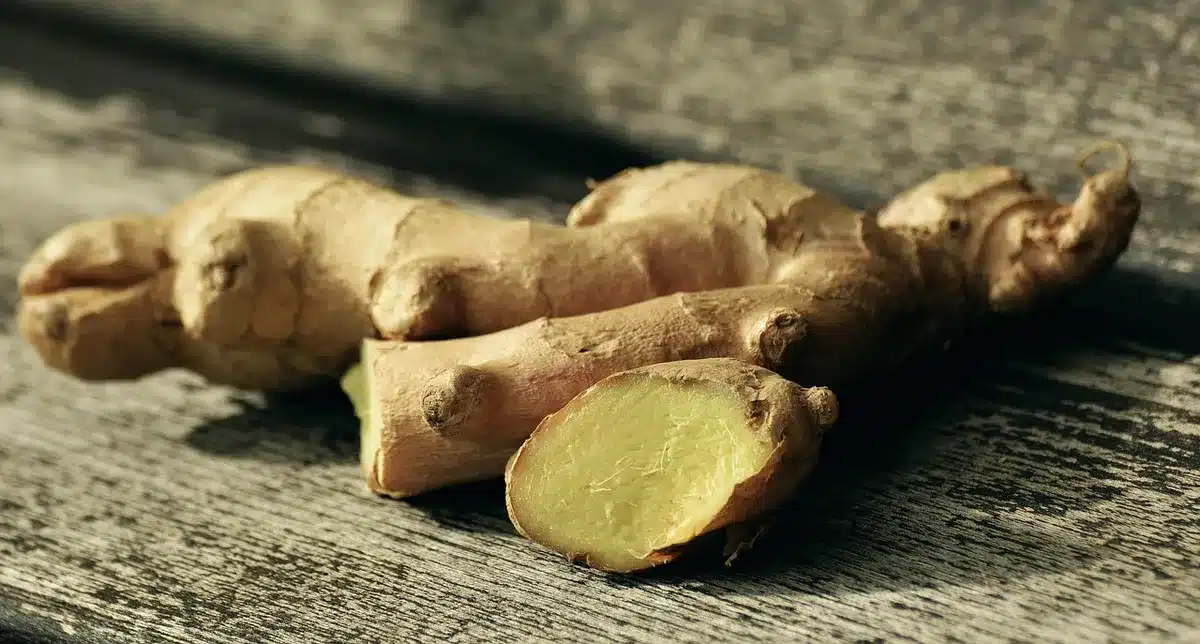
When fall arrives, we happily welcome squashes, mushrooms and hearty dishes that warm the table. To mix things up beyond the usual potatoes, consider a seasonal root that deserves more attention. Under its light-brown skin is a delicate, subtly sweet flesh with a hint of chestnut flavor that really sets it apart. Mashed, pan-seared in butter, or roasted in the oven, it pairs beautifully with slow-cooked meats and Sunday poultry. And you don’t need to spend hours in the kitchen to enjoy it.
Shaped like a small spinning top, this root vegetable was once a common sight in kitchen gardens before falling a bit out of favor. It’s making a comeback on our plates, which is a welcome change. One important detail: it isn’t eaten right after being dug up. Harvested in summer, the roots are stored for several weeks so their flesh can develop more sweetness and aroma. That’s why they’re at their best for cooking in the fall.
This is the tuberous chervil. Despite the name, it’s not the same as the chervil herb used to season dishes — here we eat the root. Its texture resembles a potato but is finer and more delicate. Look for it at farmers’ markets, specialty produce shops, or growers of heirloom vegetables. Expect to pay roughly €15 to €25 per kilo (about €15–€25/kg). It’s a little indulgent for the season, but definitely worth trying at least once.
If you’re sampling it for the first time, a simple mash is a great option. Peel the roots, steam them for about 15–20 minutes depending on size, then mash with a knob of butter, salt and pepper. The result is a fragrant, silky side that goes perfectly with roast chicken.
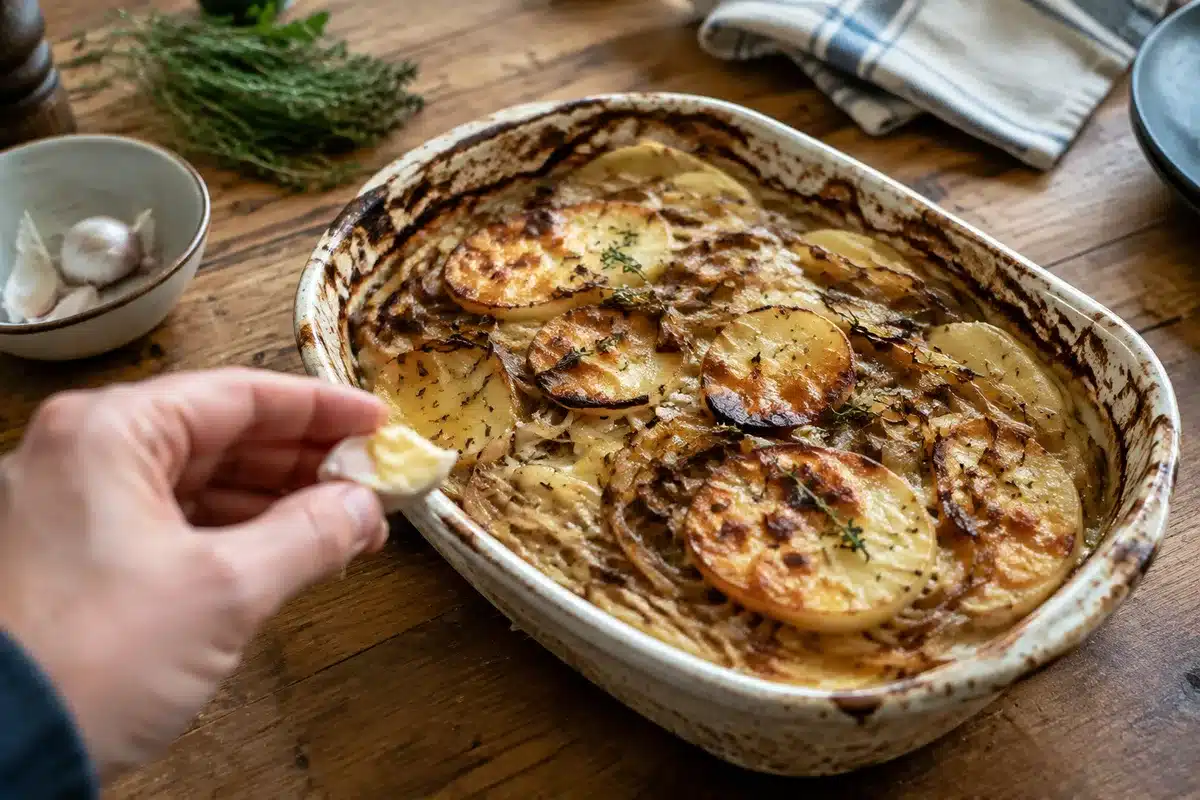
Another delicious method is to sauté the pieces in butter with a few sprigs of thyme until they turn golden. You can also roast them in the oven with a drizzle of olive oil at about 180°C (350°F) until fork-tender. Keep an eye on cooking time, though — tuberous chervil can break down quickly. When buying, choose firm roots at farm stands or seasonal produce counters and store them in a cool place. They’ll add an original, flavorful touch to your fall plates.
Similar Posts
- No Peeling Needed: This Small Squash with a Chestnut Flavor is Perfect for Stuffing!
- Half the Calories of Mashed Potatoes: The Perfect Poultry Side Dish!
- Chestnut Lovers Rejoice: Discover the No-Peel Method You’ve Been Waiting For!
- Effortless Salmon Skin Removal: Fishmonger Shares Game-Changing Tip
- Forget Boiling: The Trick That Makes Mashed Potatoes Even Better

Felix Marlowe manages Belles and Gals’ vibrant social media platforms. With expertise in social engagement and viral marketing, Felix creates content that sparks conversation and keeps followers coming back for more. From celebrity news to trending challenges, Felix makes sure our social media stays at the forefront of pop culture.