NASA issues chilling warning: life on Earth won’t be possible after this date
This bizarre French customer habit is driving shop owners crazy
Erasing visible inequalities, fostering a sense of unity and belonging… On paper, a single school outfit sounds well-intentioned. But reality on the ground reveals problems that France’s politicians are largely underestimating.
The question of whether students should wear a uniform is as old as formal schooling itself: should French pupils be required to wear a standard outfit? The issue splits politicians and resurfaces every time the education system hits a snag. Supporters call it a “republican symbol” that could restore authority and level social differences between students. Critics see it as ideological window dressing and a costly program running into the billions.
Public debate, however, repeatedly misses what actually happens in schools. The first evaluation of the pilot program that introduced a “single outfit” in about a hundred schools between 2024 and 2025 found that children often view the uniform as an “unnecessary constraint.” Teachers report that the trial did not boost concentration or academic work and in some cases became a “source of tension and deterioration of the school climate,” with no measurable drop in bullying incidents. Beyond those findings, school uniforms raise two major issues that France seems to be overlooking—problems other countries are already painfully experiencing.
In October 2026, a petition in the U.K. drew widespread attention: teenage girls appealed directly to the Prime Minister to denounce the sexualization of their school attire. Among the roughly 30,000 signatories, many said they had “never been stopped or harassed as much as when they were wearing their school uniform.” A study by Plan International UK found that more than a third of girls in uniform had experienced groping or street harassment, sometimes from as young as 11.
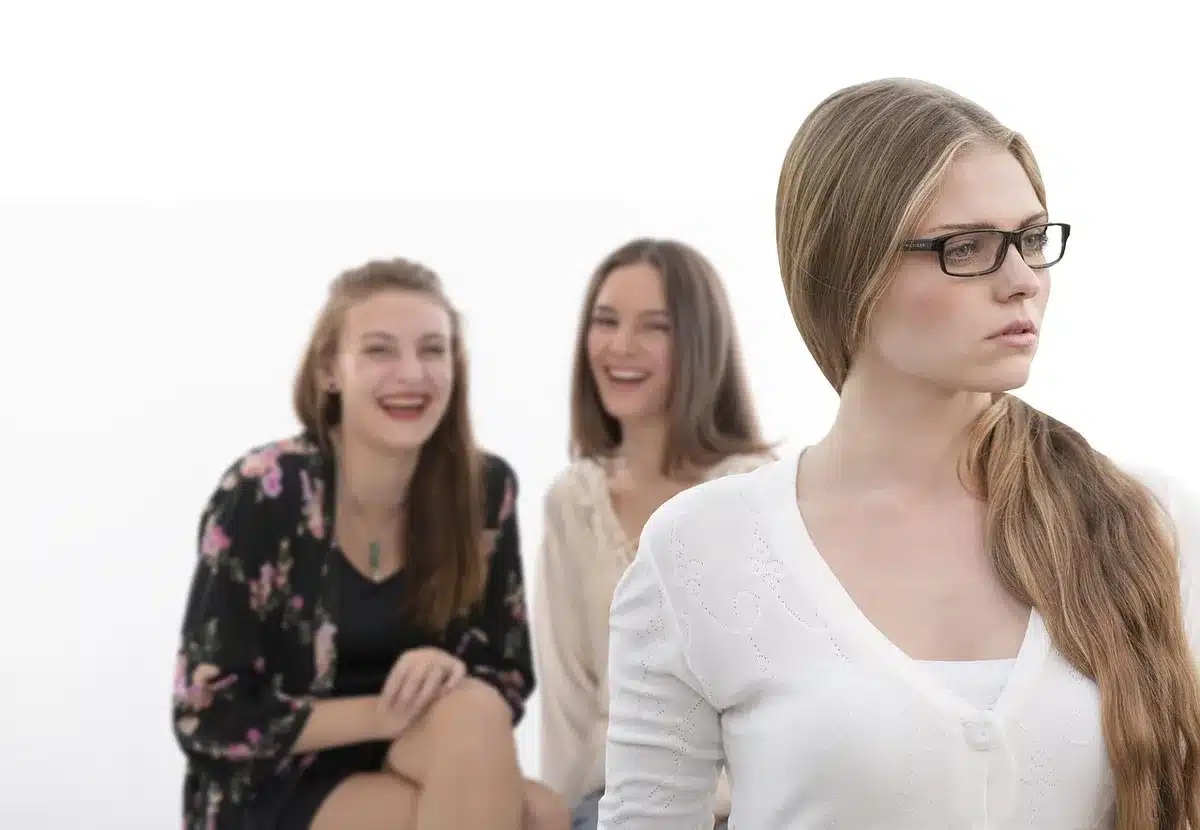
Of course, the uniform or skirt length isn’t the root cause by itself. The problem stems from the eroticized imagery that has grown up around the look. From Japanese manga to pop videos, TV shows like Gossip Girl and costume shops, the school outfit has become one of pop culture’s most fetishized archetypes. France is not exempt: a 2023 Senate report on porn-related crime documented over 420,000 videos tagged with “schoolgirl” or “écolière” on major free pornography sites.
Students in France and elsewhere also point out another unintended consequence no one predicted: a real feeling of vulnerability when they leave school. Wearing a jacket or shirt emblazoned with a city or school crest makes pupils instantly recognizable on the street or on public transit. With a single glance, anyone can tell where they go to school and which route they take daily.
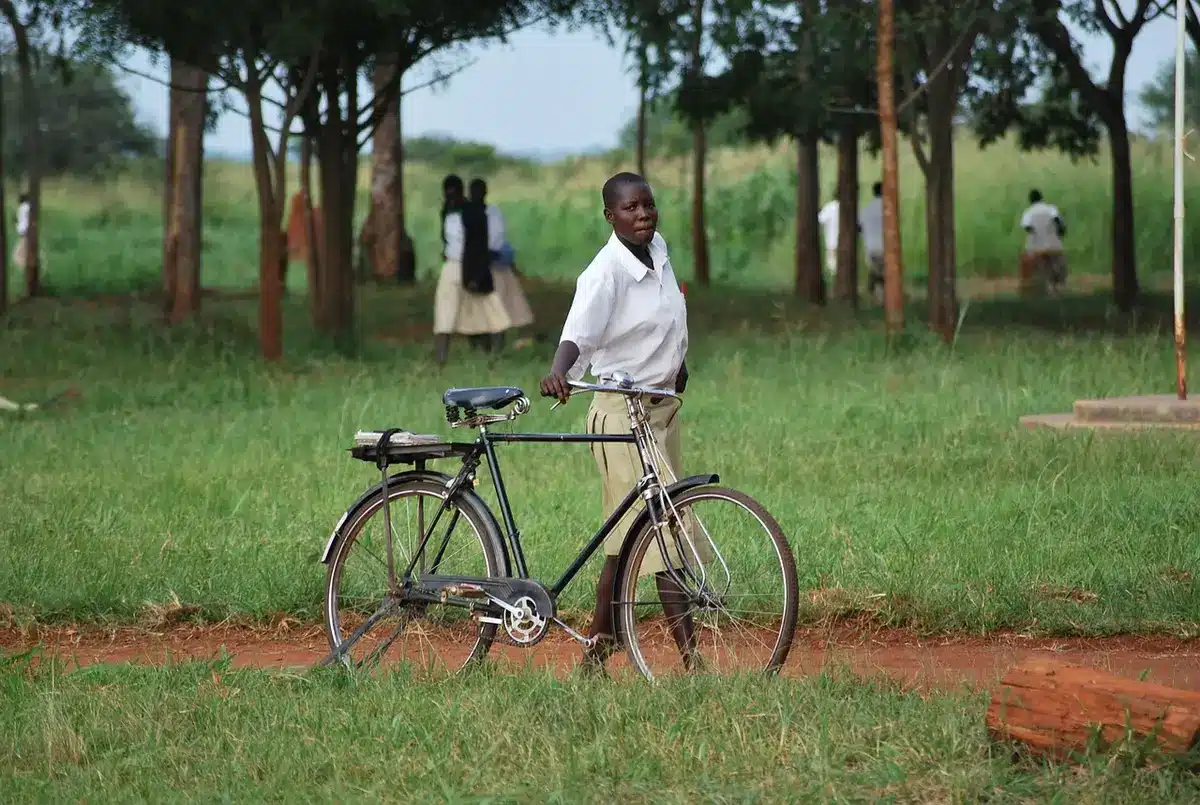
Although France has not extended the experiment, the 2027 presidential election could change the landscape. The political right and far right are aligned in pushing for a mandatory “traditional” uniform starting in primary school, modeled on the Anglo-Saxon approach. The pro-Macron camp is more cautious, awaiting final trial results or suggesting schools themselves should be allowed to choose, while left-wing parties oppose the idea. Regardless of the political debate, the notion of a uniform as “protective” and “unifying” is more complicated than it appears. International feedback shows that uniforms reshape how students interact with public space, creating unforeseen impacts on their safety and their exposure to harassment.
Similar Posts
- Denmark’s World-Lowest Harassment Rate Thanks to This Mandatory School Subject!
- School Strike Alert: What’s the Plan for Parents? Essential Info Inside!
- European Country Tops France with 122 School Vacation Days a Year!
- Starting This Fall: High School Juniors Can Prep for the New Bac Exam!
- Unlock Top Career Success: Discover France’s #1 University for Job Placement!

Felix Marlowe manages Belles and Gals’ vibrant social media platforms. With expertise in social engagement and viral marketing, Felix creates content that sparks conversation and keeps followers coming back for more. From celebrity news to trending challenges, Felix makes sure our social media stays at the forefront of pop culture.