NASA issues chilling warning: life on Earth won’t be possible after this date
This bizarre French customer habit is driving shop owners crazy
Stress, boredom, working from home… Learn practical ways to resist snacking urges, soothe cravings, and build healthy habits without feeling deprived.
1. Eat on a regular schedule and don’t skip meals
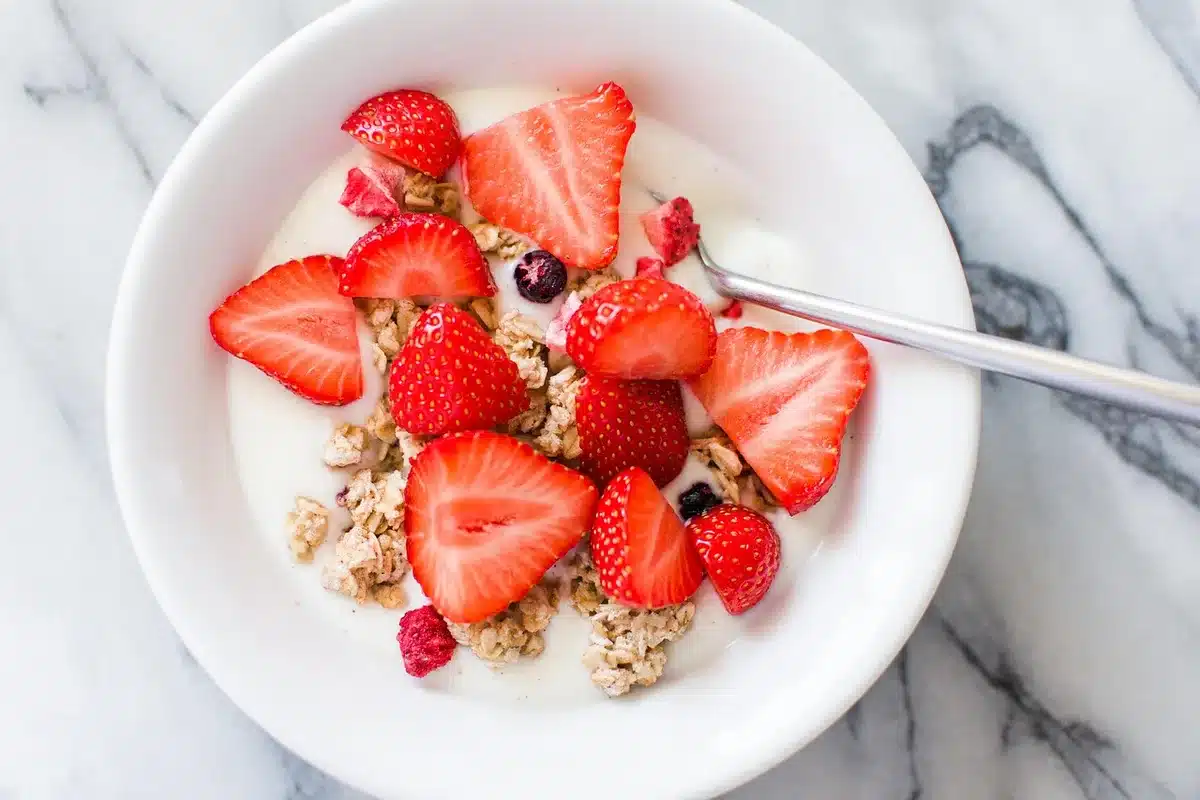
To prevent sudden cravings and cut down on mindless nibbling, stick to a consistent eating routine. Start the day with a balanced breakfast—think whole-grain toast, a dairy choice (like yogurt or milk), a piece of fruit, and a warm beverage. For lunch and dinner, aim for complete, filling meals that include vegetables, a protein source (meat, fish, eggs, or plant-based protein), and starches or grains according to your appetite, plus a piece of fruit or a dairy serving. Eating at set times helps regulate hunger and reduces the chance of reaching for snacks between meals.
2. Take your time and chew thoroughly
Give yourself at least 20 minutes to eat. Eating slowly helps your body register fullness more effectively. If you rush through meals, you’re more likely to feel hungry again soon and to snack impulsively. Even on short lunch breaks, sit down, put your fork down between bites, and chew carefully—savor the flavors and pace yourself.
3. Snack smart: pick satisfying options
If you do need a snack, choose one that fills you up and offers nutritional value rather than grabbing cookies or candy. Good choices include a seasonal fruit, plain yogurt, cottage cheese, a small handful of almonds, or a few squares of dark chocolate. Fresh vegetable sticks like carrots or cherry tomatoes are also excellent for curbing small hunger pangs. The goal is to enjoy a treat without guilt while staying tuned in to real hunger.

4. Drink water
When a snack urge hits, try a large glass of water or a cup of unsweetened tea first. Avoid sodas, including diet varieties—the sweet taste (even from sweeteners) can stimulate appetite. Hydration can reduce sensations of hunger and helps flush out waste products, which often makes you feel better overall.
5. Move to avoid boredom-driven snacking
Sometimes you’re reaching for food out of boredom rather than true hunger. Changing your activity can break the impulse. Move for a few minutes: play a favorite song and dance, do a short yoga flow, step outside for fresh air, or take a brief walk. Even a 15-minute stroll can lower stress and stop boredom-driven eating. Regular physical activity also improves mood and emotional balance, making it easier to resist snacking for comfort.
6. Build simple habits to calm cravings
Before you give in to sudden cravings for chocolate or cookies, pause and ask whether you’re actually hungry or reacting to stress, tiredness, or boredom. To avoid automatic snacking, shift your focus: make a calming infusion, take a short break, or practice a few minutes of deep breathing. Brushing your teeth after a meal can help signal that eating time is over. And if you truly are hungry, choose a balanced snack rather than battling your appetite. The aim is to recognize and respond to real hunger cues without feeling deprived.
7. Clean out and restock your pantry
Swap out refined staples for whole-grain versions—choose whole-wheat bread, brown rice, and whole-grain pasta instead of white varieties. Take stock of your kitchen and remove obvious calorie bombs like candy bars, pastries, and many snack cookies. Then make a grocery list focused on healthier options. The fewer temptations around, the fewer impulsive cravings you’ll face.
8. Keep your mind busy
If you feel a strong urge to eat, redirect your energy: walk around the block, do a quick jog, or tend to gardening if you have access to an outdoor space. Alternatively, immerse yourself in a good book, practice self-care, or tackle a task that absorbs your attention. Shifting your mental focus is an effective way to avoid unnecessary snacking.
9. Prioritize quality sleep
Not getting enough sleep tends to increase cravings. Sleep loss disrupts hormones that regulate hunger and fullness, making high-fat and high-sugar foods more tempting. Aim for about 7 to 9 hours of sleep per night, keep consistent bedtimes, limit screen use before bed, and create a relaxing sleep environment. Better rest helps control appetite and reduces the urge to snack throughout the day.
10. Favor low–glycemic index foods
To reduce cravings and mid-afternoon dips, pay attention to the glycemic index (GI) of foods. High-GI foods raise blood sugar quickly and can lead to faster returns of hunger. Low-GI choices (generally 55 or below) cause a slower, steadier rise in blood sugar. For snacks, opt for whole fruit, plain yogurt, or a small handful of nuts. Read nutrition labels to spot products high in added sugars and low in fiber. The idea is to promote lasting fullness and fewer hungry moments without completely demonizing higher-GI foods.
Similar Posts
- Dr. Jean-Michel Cohen Reveals the Best Hunger Suppressant That Costs Just Pennies!
- Craving Sugar? Nutritionist’s Top Trick to Curb Cravings and Stay Slim!
- Avoid this breakfast habit if you’re trying to lose weight
- Nutritionist Says This Crunchy, Salty Snack Can Help You Lose Weight—But Everyone’s Avoiding It!
- Lose Weight After 60: This Summer Fruit Curbs Cravings Longer Than You Think!

Ellis McDowell is a trend analyst with a sharp eye for spotting the next big thing in entertainment. With years of experience in digital media and trend forecasting, Nora tracks the movements of influencers, viral content, and entertainment trends. Her insights help shape the stories that captivate our audience.